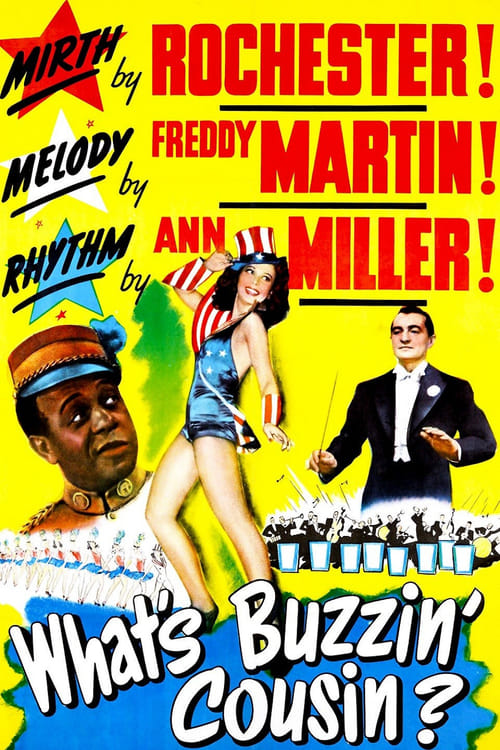
What's Buzzin', Cousin?
1943
No user ratings available yet
Representation score: 3.5 out of 10
Representation Score
Limited
1943
ApprovedDirector
Harold Young
Runtime
61 minutes
Average Rating
No ratings yetNew Showbiz Analysis
Hi'ya, Chum is a conventional product of the 1940s Hollywood studio system. It follows established production hierarchies and narrative conventions of its time, prioritizing standard storytelling formulas over diverse representation. The film functions as a period-typical comedy, reinforcing the social and cinematic norms of 1943. It lacks intentional challenges to systemic norms, focusing instead on a traditional, homogeneous worldview. Overall, the work offers very little in the way of diverse perspectives, instead centering on the dominant cultural and demographic standards of the mid-century era.
Category Breakdown
The film does not include any representation of LGBTQ+ identities or same-sex relationships. It adheres to the assumption that everyone is straight or cisgender, reflecting the social norms of 1943.
The story relies on traditional gender roles and standard archetypes. Female characters do not have significant roles in driving the plot or challenging the status quo.
The film likely reflects the homogeneous casting standards of the 1940s. It centers on a traditional Anglo-Saxon demographic without including diverse racial backgrounds.
The plot emphasizes commerce and community building within a boomtown setting. It reinforces traditional Western values and social stability rather than offering cultural critique.
Characters with visible or invisible disabilities are not prominently featured. Disability is either omitted or reduced to minor stereotypes common in this era.
Present on Screen
Limited or Absent
Official Synopsis
Entertainers get stranded in a small boomtown, and open up a restaurant.
1943
1940

1934
1934
1938
1936
1943
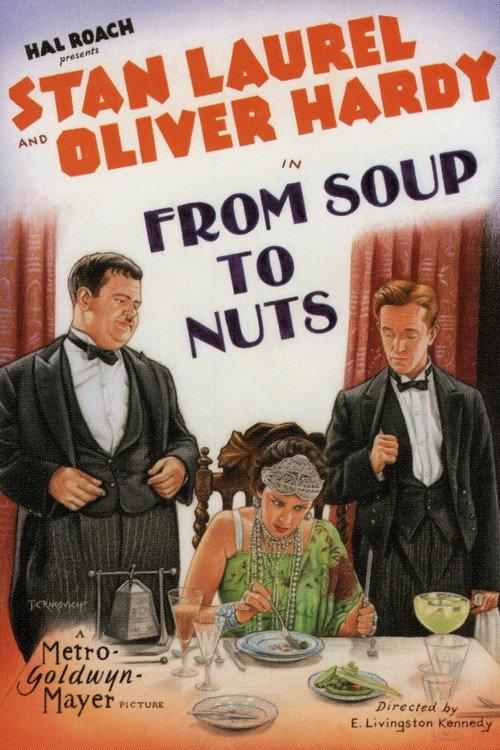
1928
No reviews yet. Be the first to share your thoughts on this movie!
Use the rating form above to leave a star rating and optional review.