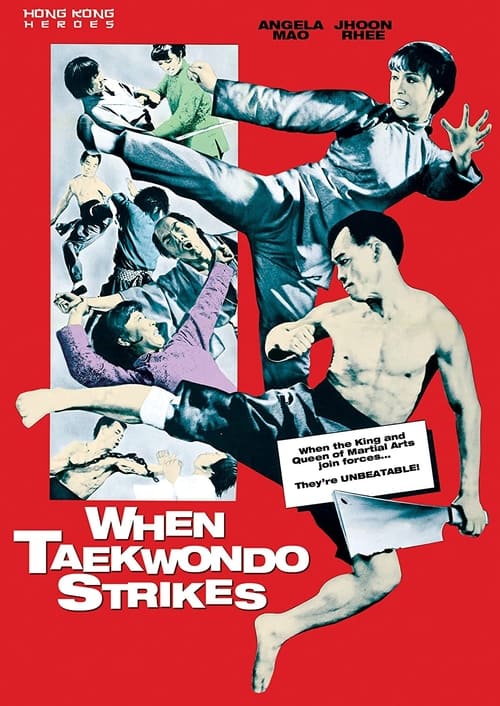
When Taekwondo Strikes
1973
No user ratings available yet
Diversity score: 6.3 out of 10
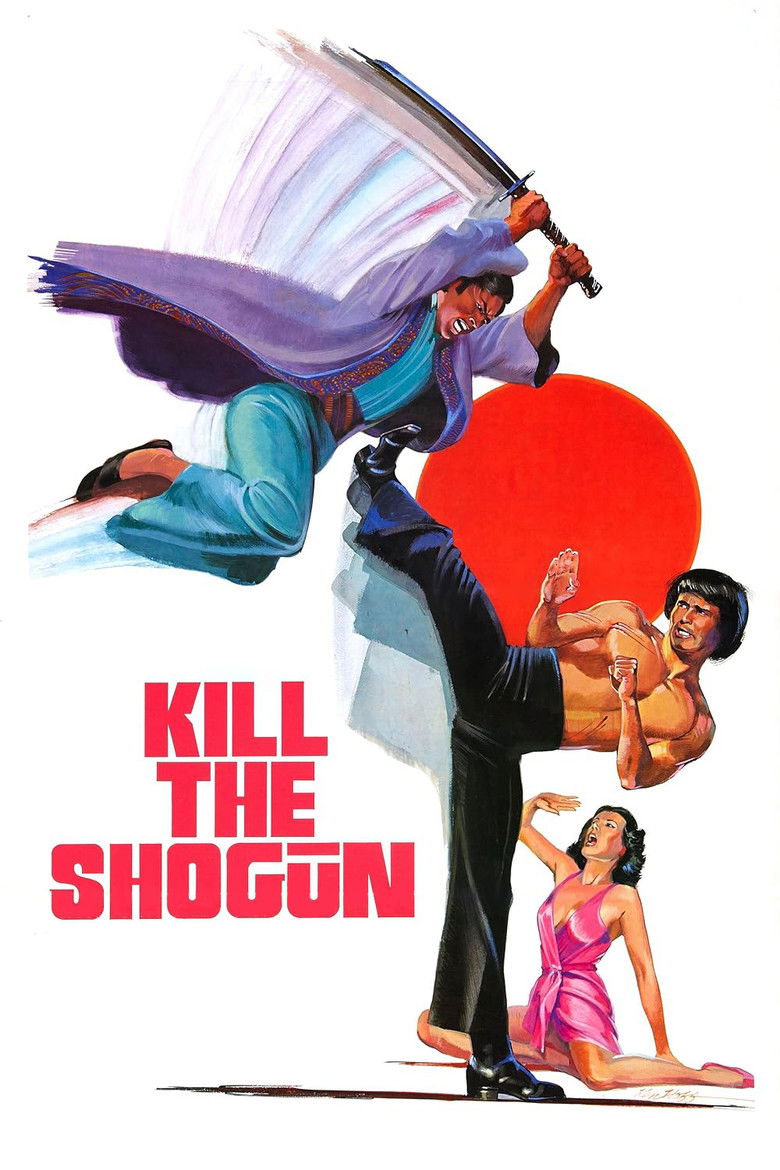
1975
RDirector
Lee Doo-yong
Runtime
103 minutes
Average Rating
No ratings yetSynopsis
Action-drama set during the 1904 occupation of Korea (by Japan). An incident is sparked when the Japanese force the Korean soldiers to strip off their uniforms. Two of the Korean soldiers refuse and go on a rampage against the Japanese, forcing them to take their uniforms off.
Overall Score
Good
Category Breakdown
LGBTQ+ Representation
The film lacks explicit LGBTQ+ characters or non-heteronormative narratives. It focuses on militaristic and nationalist conflict, prioritizing traditional structures of duty and honor.
Gender Representation
The narrative centers on a conflict between predominantly male soldiers. This masculine framework of agency lacks evidence of gender hierarchy subversion or non-traditional roles.
Racial & Ethnic Diversity
The film disrupts Western-centric lenses by centering a Korean perspective during the 1904 Japanese occupation. It uses the struggle for national identity as a metaphor for ethnic resistance.
Religious & Cultural Diversity
The story aligns with anti-imperialist themes by critiquing colonial institutions. It frames the Japanese occupation as an oppressive force and depicts rebellion as a response to systemic humiliation.
Disability Representation
There is no mention of characters with visible or invisible disabilities within the narrative.
Strengths
Areas for Improvement
AI Analysis
Kill the Shogun is a historical action-drama that finds its strength in its nationalist perspective. By centering the Korean experience during the 1904 Japanese occupation, the film provides a vital counter-narrative to Anglo-centric historical storytelling. The central conflict regarding the refusal to surrender uniforms serves as a potent metaphor for ethnic and cultural resistance against colonial hegemony. However, the film operates within a very narrow social framework. The focus on military combat and soldierly honor results in a predominantly masculine narrative that offers little room for gender diversity. The absence of non-heteronormative characters or disability representation keeps the social scope limited to the immediate political struggle. Ultimately, the film is a study of sovereignty and systemic struggle. While it excels at portraying ethnic agency against an imperialist power, it remains a traditionalist work in its depiction of gender and social identity.
1973

1981
2019
1972
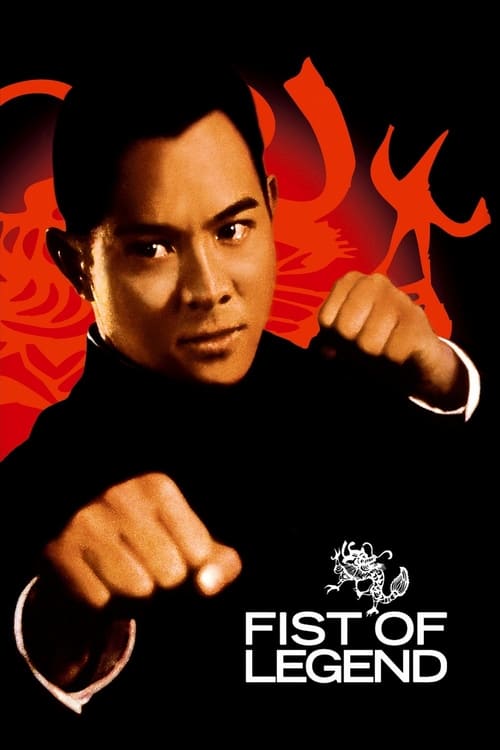
1994
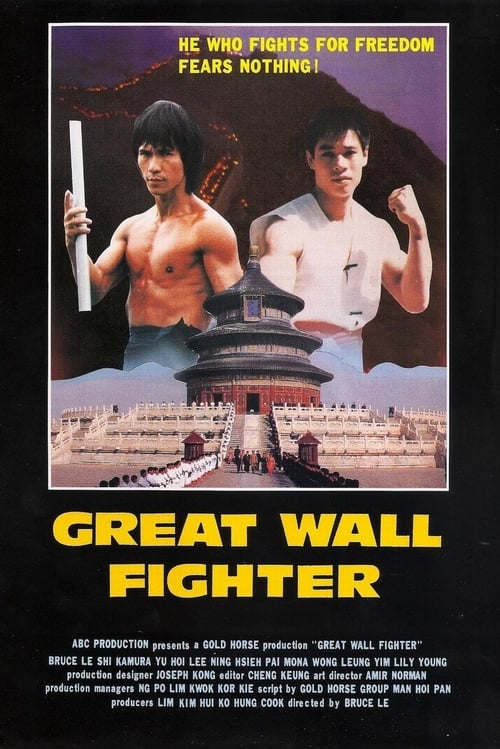
1987

1991
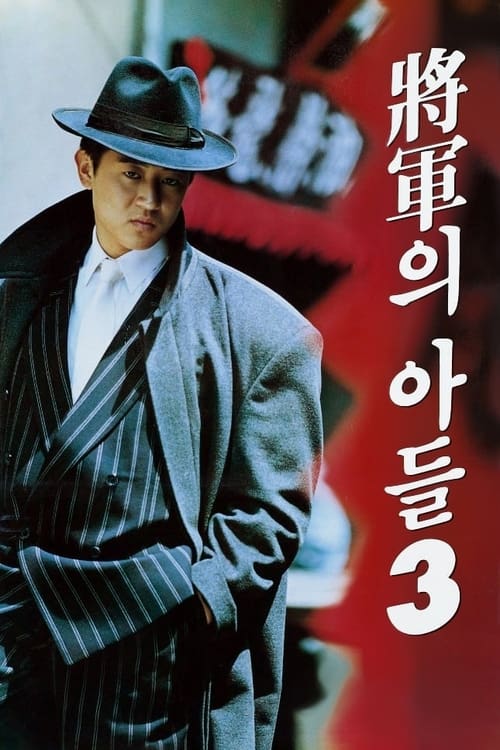
1992
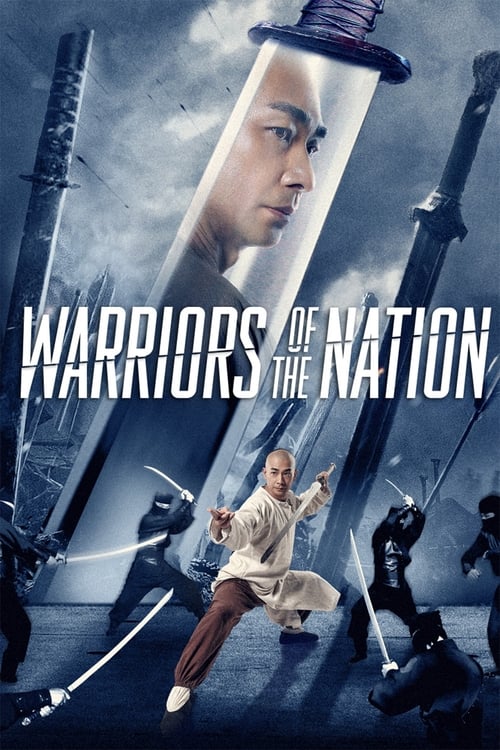
2018
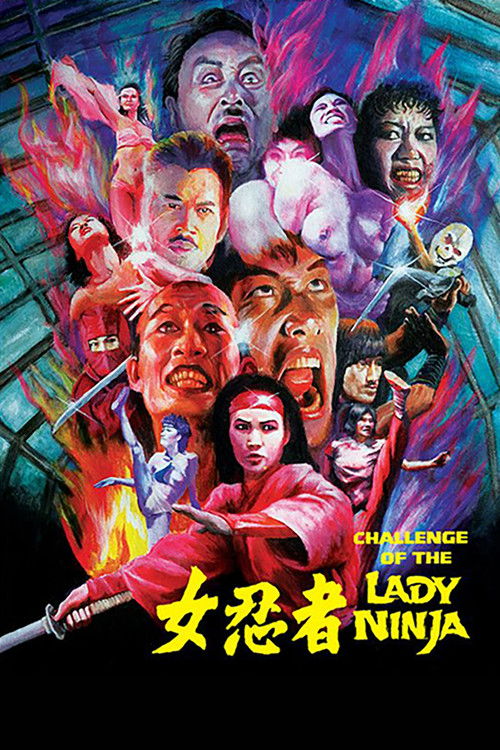
1983
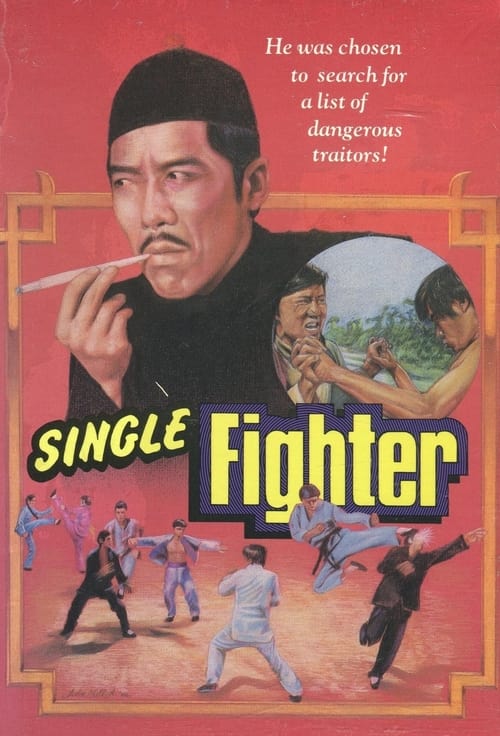
1974
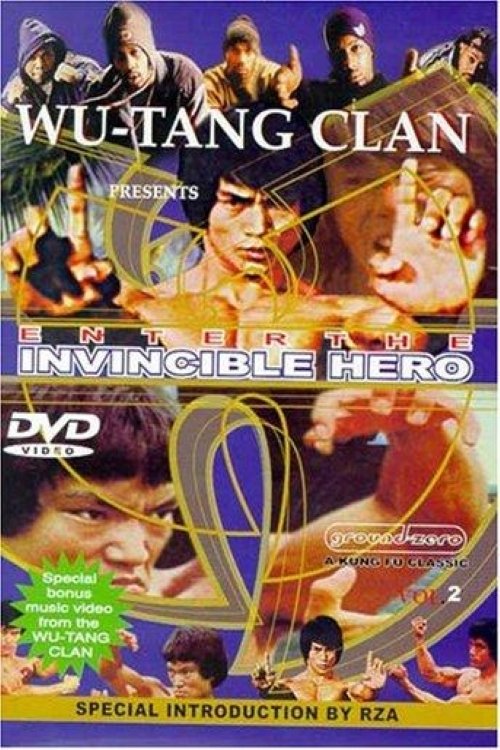
1977
No reviews yet. Be the first to share your thoughts on this movie!
Use the rating form above to leave a star rating and optional review.