
Magnificent Warriors
1987
No user ratings available yet
Representation score: 4.7 out of 10
Representation Score
Fair
1973
RDirector
Huang Feng
Runtime
96 minutes
Average Rating
No ratings yetNew Showbiz Analysis
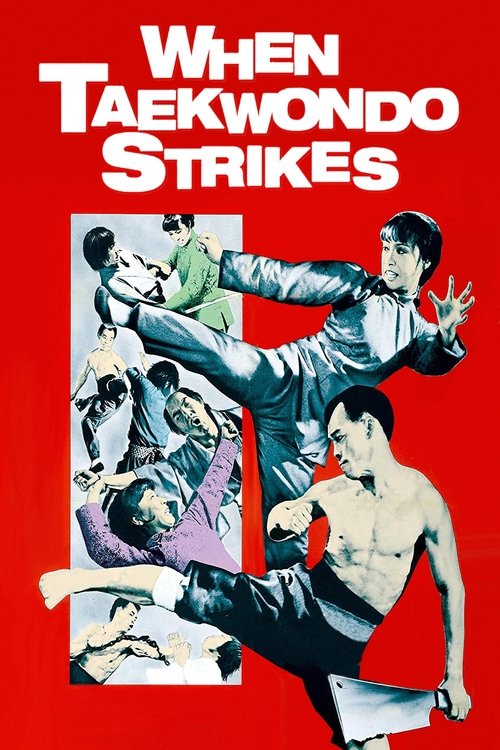
When Taekwondo Strikes succeeds in providing high ability to act to non-Western protagonists by centering a historical struggle against colonial power. The film subverts Western-centric action clichés by focusing on Korean resistance during the Japanese occupation. While the racial and cultural representation is strong, the film remains limited by traditional gender hierarchies. Female characters, though physically capable, function within a narrative primarily driven by male characters and their capture. The film lacks representation for LGBTQ+ identities and disability, adhering to the standard genre conventions of 1970s martial arts cinema.
Category Breakdown
There are no visible LGBTQ+ characters or narratives addressing non-assuming gender matches what was assigned at birth identities in the film.
The film includes active participation from female protagonists like Angela Mao and Anne Winton in the rescue mission, but the plot remains centered on a male-driven resistance movement.
The story centers the Korean experience under Japanese occupation, featuring a diverse East Asian cast navigating a conflict defined by ethnic and national identity.
The narrative explores anti-imperialism and resistance against occupying forces, suggesting an intersection of religion and political struggle through a church setting and the torture of a priest.
No visible or invisible disabilities are portrayed as central to the character arcs or plot development.
Present on Screen
Limited or Absent
Official Synopsis
The story is about the Japanese occupation of Korea during World War II. A Korean patriot played by Carter Wong gets into a fight with some Japanese people and is chased into a church. The priest there is captured and tortured. Trying to secure his release, the leader of the resistance, Jhoon Rhee is himself captured and tortured by the Japanese. Carter Wong, Angela Mao and Anne Winton have to now try and rescue him. This leads to an explosive climax with the heroes having to fight the likes of Wong In Sik (Hwang In-Shik), Sammo Hung and Kenji Kazama.
1987
1967
1975
1984
1974
1980

1972
2007
No reviews yet. Be the first to share your thoughts on this movie!
Use the rating form above to leave a star rating and optional review.