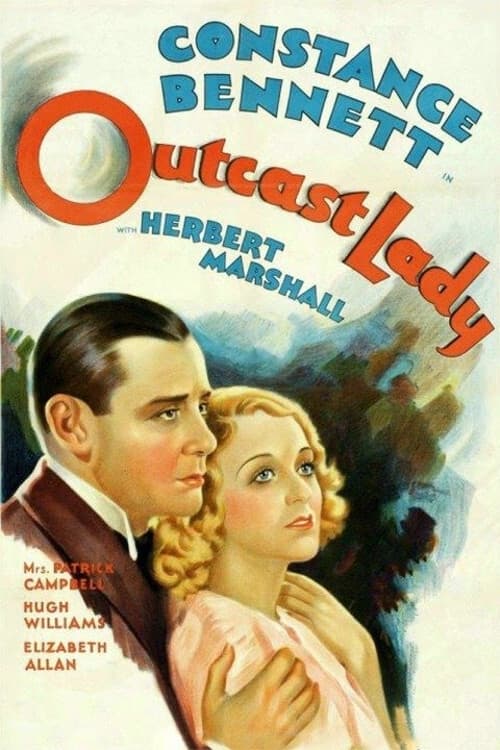
Outcast Lady
1934
No user ratings available yet
Diversity score: 2.2 out of 10
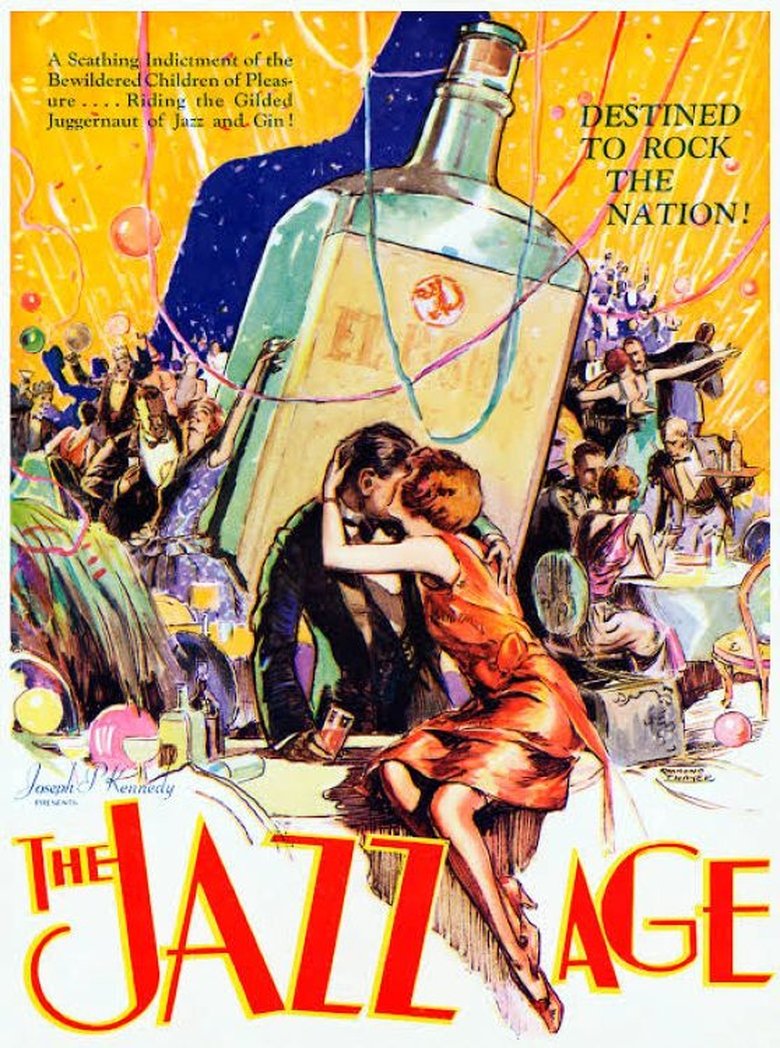
1929
PassedDirector
Lynn Shores
Runtime
64 minutes
Average Rating
No ratings yetSynopsis
When Steve Maxwell and flapper Sue Randall wreck her father's automobile during a drunken escapade, her father exploits the mishap and blackmails Steve's father into supporting an illegal contract in city affairs.
Overall Score
Minimal
Category Breakdown
LGBTQ+ Representation
The film lacks any evidence of non-heteronormative identities or same-sex intimacy. The romantic focus remains strictly within traditional pairings.
Gender Representation
Sue Randall is presented as a flapper, suggesting some social autonomy. However, her actions ultimately trigger patriarchal exploitation by her father.
Racial & Ethnic Diversity
The narrative suggests a homogeneous social environment. There is no indication of a non-white or non-Anglo-Saxon cast.
Religious & Cultural Diversity
The story explores moral ambiguity through social decadence and illegal contracts. It follows traditional melodramatic tropes rather than systemic critiques.
Disability Representation
No characters with visible or invisible disabilities are identified in the film's documentation.
Strengths
Areas for Improvement
AI Analysis
The Jazz Age operates as a period-specific drama that adheres to the social and narrative hierarchies of the late 1920s. The plot centers on personal errors and class-based maneuvering, specifically through a cycle of drunken escapades and subsequent blackmail. While the film touches on the social mores of the era, it lacks the intentionality to disrupt traditional norms. The narrative structure prioritizes individual consequences and patriarchal authority over any meaningful deconstruction of systemic power or identity. Ultimately, the film functions as a conventional melodrama. It focuses on the interpersonal fallout of social transgressions within a standard, homogeneous framework typical of early 20th-century studio productions.
1934
1927
1928
1929
1927
1941
1933
1932
No reviews yet. Be the first to share your thoughts on this movie!
Use the rating form above to leave a star rating and optional review.