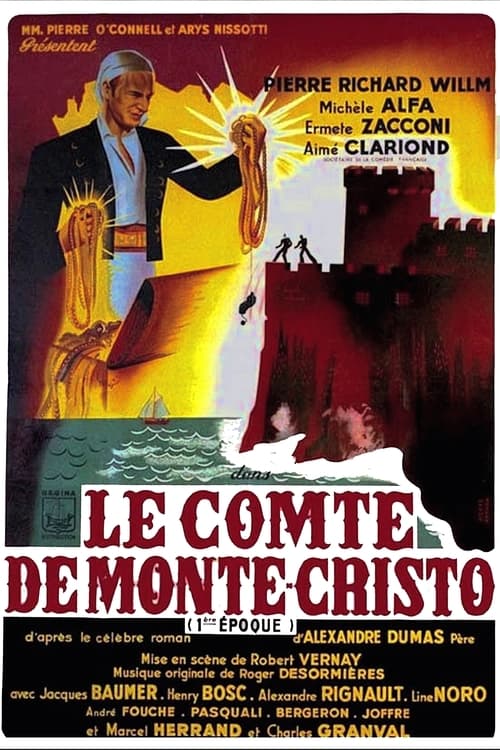
The Count of Monte Cristo Part 1 - The Prisoner of Kastell
1943
No user ratings available yet
Representation score: 2.1 out of 10

Representation Score
Limited
1961
Director
Claude Autant-Lara
Runtime
180 minutes
Average Rating
No ratings yetNew Showbiz Analysis
Claude Autant-Lara’s adaptation is a traditional historical epic that emphasizes period accuracy and class struggle over contemporary diversity standards. While it offers a sophisticated critique of institutional corruption and the failures of the legal system, it does so within a narrow social framework. The film maintains a homogeneous racial landscape and reinforces conventional gender hierarchies. Leadership and decisive action are centered in male characters, while women play secondary, emotional roles. Ultimately, the production reflects the demographic and social realities of mid-century European cinema, focusing on internal French socioeconomic tensions rather than a diverse or multi-layered cast.
Category Breakdown
The film follows traditional 19th-century social norms and does not include any non-traditional gender identities or same-sex relationships. The romantic storyline centers around conventional courtship.
The story is mainly driven by male characters involved in political intrigue and revenge. Female characters such as Mercedes play supportive roles, providing emotional support rather than actively driving the plot.
The cast is predominantly white and European, reflecting the historical context. The story focuses on French class dynamics without highlighting diverse racial backgrounds.
The film critiques corrupt power structures and institutional injustices. It examines the conflict between personal morality and systemic corruption through the lens of vigilantism.
Abbé Faria is portrayed as mentally unstable, serving as a narrative device to mentor the protagonist. However, his character has little control over what happens to them and primarily functions as a catalyst for the hero's growth.
Present on Screen
Limited or Absent
Official Synopsis
Young sailor Edmond Dantès is wrongfully imprisoned, escapes, finds treasure, and reinvents himself as the wealthy Count of Monte Cristo to exact revenge on those who betrayed him.
1943
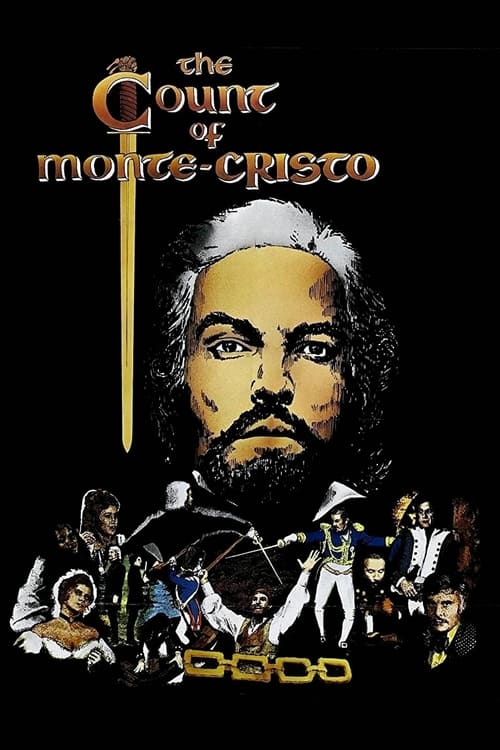
1975
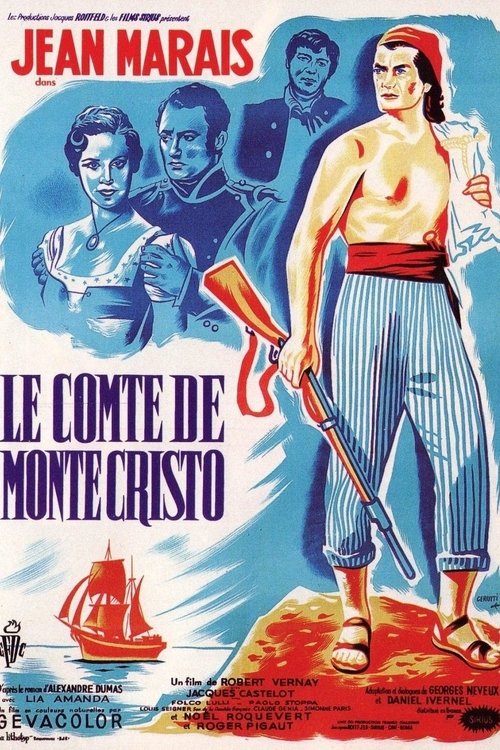
1954
1914
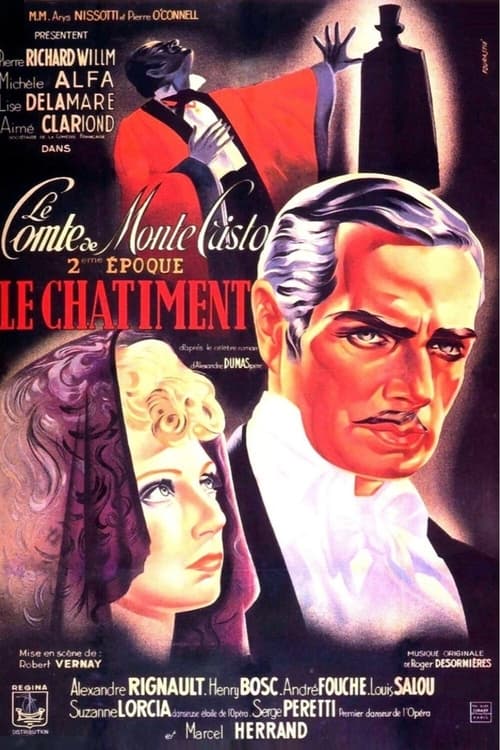
1943

1962
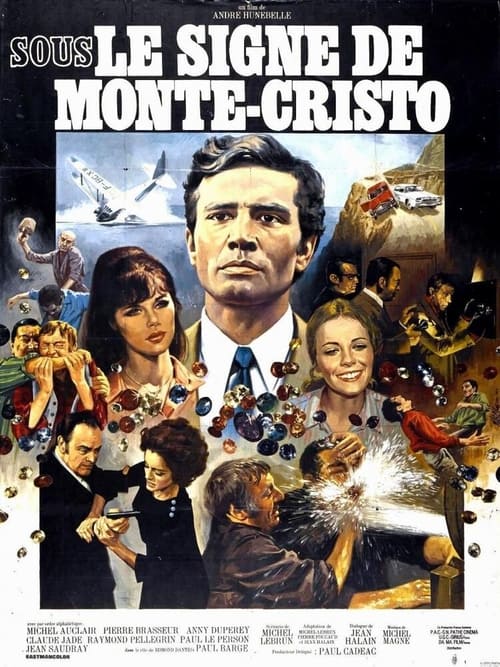
1968

1954
No reviews yet. Be the first to share your thoughts on this movie!
Use the rating form above to leave a star rating and optional review.