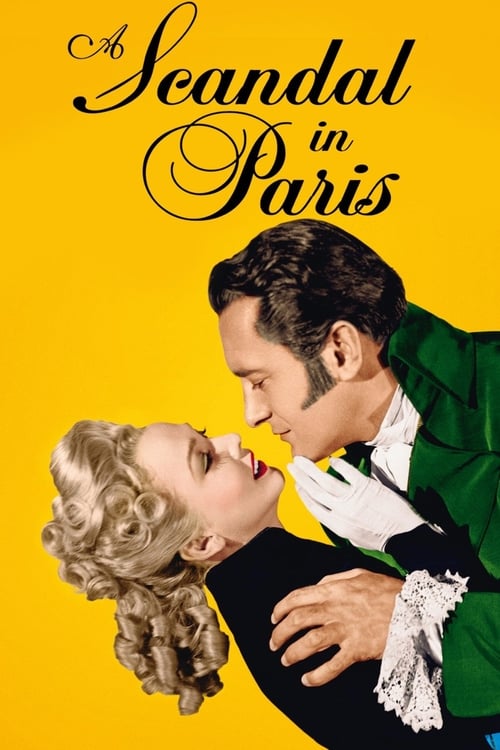
A Scandal in Paris
1946
No user ratings available yet
Representation score: 0.6 out of 10
Representation Score
Limited
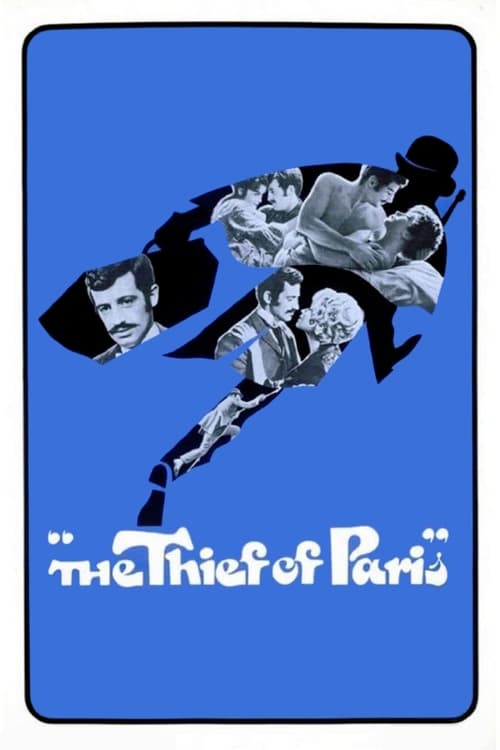
1967
Not RatedDirector
Louis Malle
Runtime
120 minutes
Average Rating
No ratings yetNew Showbiz Analysis
The Thief of Paris is a character study focused on individual rebellion against social hierarchies. While it offers a sophisticated critique of bourgeois morality and the corruption of the wealthy, it remains a traditional period piece in its demographic makeup. The film's strength lies in its portrayal of the family unit as a site of exploitation, challenging institutional stability. However, this thematic depth is not matched by demographic variety. Ultimately, the film lacks diverse representation and focuses almost exclusively on a homogeneous, Eurocentric social environment and heterosexual relationships.
Category Breakdown
The film follows a conventional romantic storyline between Georges and Charlotte. It does not include queer subtext or non-cisgender identities, sticking strictly to heterosexual relationships.
Charlotte serves as a catalyst for the plot, but her role remains largely reactive to patriarchal forces. The film challenges traditional leadership roles by depicting the male uncle as a corrupt predator.
The setting portrays a predominantly homogeneous Parisian society. The narrative focuses on Eurocentric upper and middle classes, lacking visible diversity or casting actors from different racial or ethnic backgrounds.
The story critiques the corruption of the wealthy and the bourgeois class. By framing the protagonist's actions as a response to systemic greed, it challenges the traditional Western family unit.
There are no prominent depictions of physical or neurodivergent disabilities that serve as central narrative drivers or character studies.
Present on Screen
Limited or Absent
Official Synopsis
In turn-of-the-century Paris, Georges Randal is brought up by his wealthy uncle, who steals his inheritance. Georges hopes to marry his cousin Charlotte, but his uncle arranges for her to marry a rich neighbour. In retaliation, Georges steals the fiancé's family jewels, and enjoys the experience so much that he embarks upon a lifetime of burglary.
1946

1964
1975

1962
1967

1959
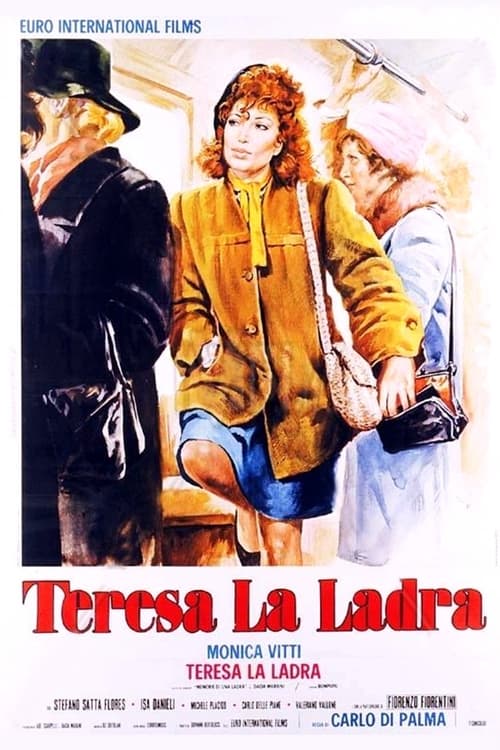
1973
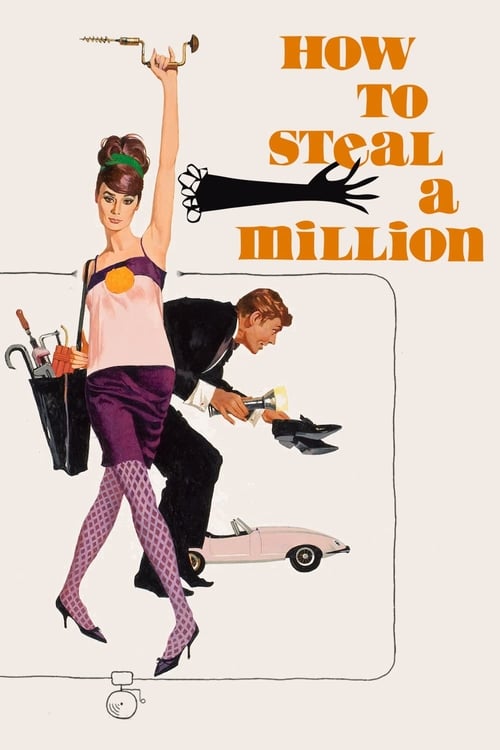
1966
No reviews yet. Be the first to share your thoughts on this movie!
Use the rating form above to leave a star rating and optional review.