
Facing the Wind
2018
No user ratings available yet
Representation score: 6.6 out of 10
Representation Score
Good
1998
Director
Jacques Nolot
Runtime
90 minutes
Average Rating
No ratings yetNew Showbiz Analysis
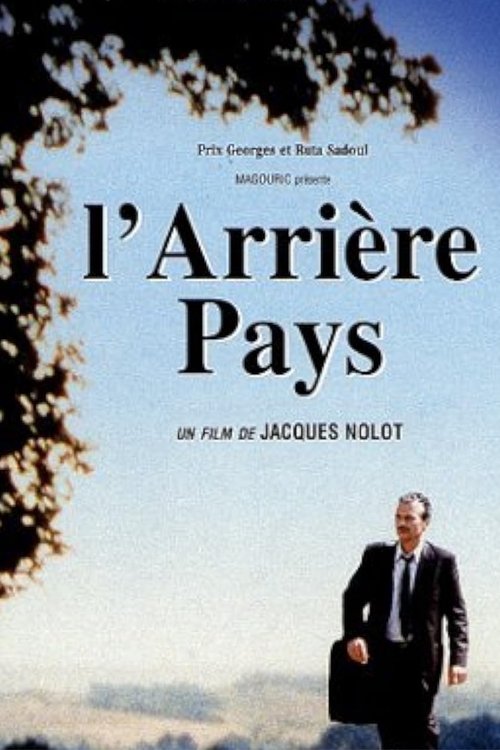
Hinterland is a character study that deconstructs traditional social structures. It challenges the stability of the patriarchal family unit by presenting a father figure defined by denial and instability. This subversion offers a nuanced look at how individual identity can clash with communal expectations. However, the film's scope is narrow. It lacks racial diversity and uses illness as a plot device rather than a lived experience, limiting its multi-layered depth. The narrative remains deeply rooted in a specific, homogeneous European context. Ultimately, the film succeeds as a critique of traditional institutions but lacks the breadth of representation found in more diverse contemporary works.
Category Breakdown
The film features Jacques, an unmarried man who is an outsider in a traditional village. His detachment suggests a non-traditional social position, though the film doesn't explicitly explore queer relationships.
The story challenges traditional masculine leadership by depicting the father, Yvan, as unstable and delusional. When the mother dies, the narrative shifts to a more fragmented, emotional reality.
The cast is predominantly of a single ethnicity, reflecting a rural European setting. The narrative focuses on local tensions within a specific ethnic community without much racial diversity.
The film questions the sanctity of the traditional Western family by showing it as a source of alienation. It emphasizes individual truth over communal or religious doctrine.
The mother's terminal illness drives the plot and disrupts the family's social order. However, the focus is on the systemic impact rather than the character's personal experiences.
Present on Screen
Limited or Absent
Official Synopsis
After ten years away, Jacques Pruez, an unmarried, 50-year-old, modestly successful actor, returns to his home village to comfort his dying mother. His father Yvan, a family barber who's counting on his "successful" son to support him in his old age, refuses to believe that his wife is sick and insists that her doctors are killing her. She dies, and Jacques finds out that Yvan is not his real father. Besieged by memories of his childhood, the village and the past, Jacques wanders the streets at night, reliving the moments that set him apart from the rest.
2018
2017
2007
1997
2012
1999
2017
1990
No reviews yet. Be the first to share your thoughts on this movie!
Use the rating form above to leave a star rating and optional review.