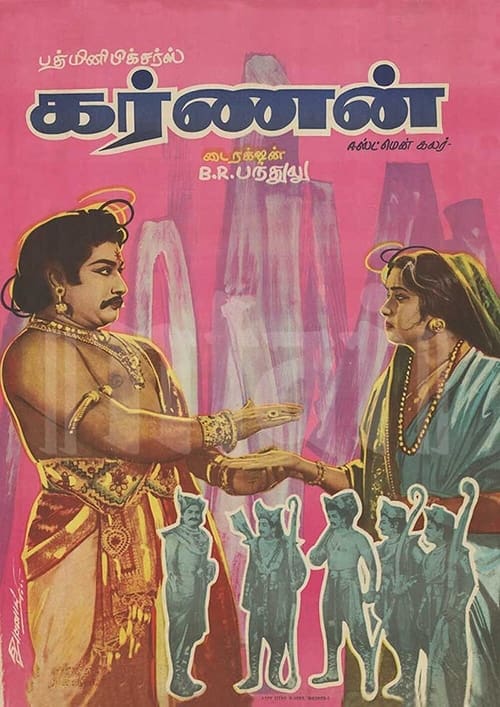
Karnan
1964
No user ratings available yet
Representation score: 2.1 out of 10
Representation Score
Minimal
1975
Director
Vijay Reddy
Runtime
178 minutes
Average Rating
No ratings yetNew Showbiz Analysis
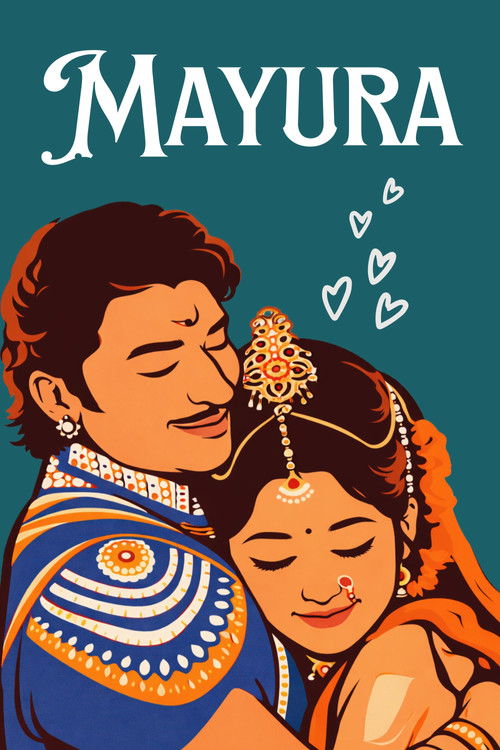
Mayura is a traditional historical epic that prioritizes themes of destiny, lineage, and the restoration of social order. The narrative structure is built around classical power dynamics and masculine archetypes of combat and kingship. While the protagonist's rejection of religious study provides a small moment of tension against institutional norms, the film remains rooted in conventional formulas. It does not seek to disrupt systemic hierarchies or provide multi-layered representation. The film's focus is primarily on regional ethnic identities and the struggle between historical dynasties, which provides cultural specificity but lacks broader social subversion.
Category Breakdown
The film does not depict any non-straight or non-cisgender identities or narratives that challenge the assumption that everyone is straight or cisgender.
The story centers on masculine pursuits like wrestling and warfare. The plot is driven by male characters, adhering to traditional gender hierarchies and archetypes.
The narrative explores regional identities within historical South Indian kingdoms. It provides cultural specificity through the lens of the Kadamba and Pallava lineages.
The protagonist's tension with Brahminical Vedic studies offers minor friction with religious expectations. However, the plot ultimately reinforces traditional monarchical and social structures.
There is no evidence of characters defined by physical or neurodivergent impairments. The narrative does not feature any depictions of disability.
Present on Screen
Limited or Absent
Official Synopsis
Mayura challenges an arrogant wrestler and defeats him. Though never formally trained he has only learned techniques of wrestling by observing others. As a Brahmin he is required to study Vedas yet he is deeply interested in martial arts. Ranga Jetti, the premier wrestler in Kanchi, takes him under his wing and trains him. One day while observing the training of Pallava princes Mayura gets into a fight with and thrashes Vishnugopa, the Pallava prince, earning his enmity. Mayura has to flee Kanchi as per the advice of Ranga Jetti to escape from pursuing Pallavas. He also then learns that he is in fact the son of Raja Chandravarma, the Kadamba king who was deceitfully killed by the Pallava king, Sivaskandhavarma. Upon learning of his illustrious lineage, Mayura dedicates himself to overthrow the Pallava yoke. Returning to Banavasi in the guise of a merchant Mayura builds an army and conquers both Banavasi and the Telugu speaking regions around Srishaila, thus building a vast kingdom.
1964
2001

2017
1982
2023
2022
1985
2020
No reviews yet. Be the first to share your thoughts on this movie!
Use the rating form above to leave a star rating and optional review.