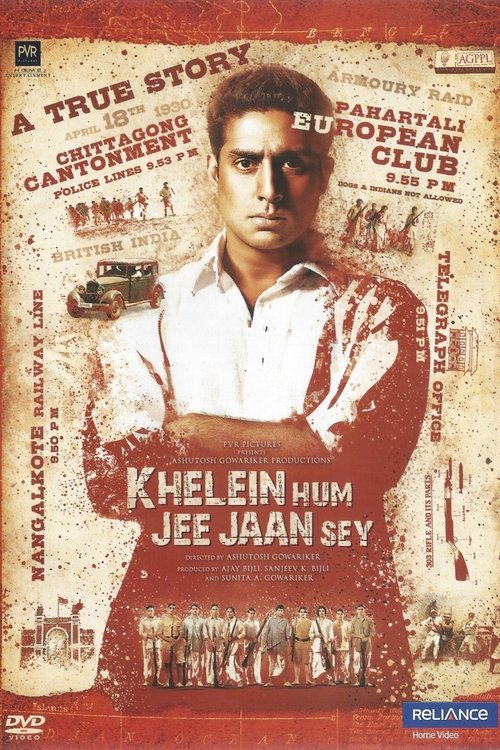
Khelein Hum Jee Jaan Sey
2010
No user ratings available yet
Representation score: 3.2 out of 10

Representation Score
Limited
2018
Director
Rosshan Andrrews
Runtime
122 minutes
Average Rating
No ratings yetNew Showbiz Analysis
Kayamkulam Kochunni is a historical drama that effectively critiques colonial and caste-based power structures. However, it remains confined to traditional social hierarchies, lacking in gender and LGBTQ+ representation. The film provides a focused exploration of resistance against systemic injustices, rather than broad social inclusivity.
Category Breakdown
The film follows the straight-centered norms of 19th-century Kerala and does not include any non-cisgender or queer identities.
The narrative focuses primarily on the male protagonist, with women playing passive or domestic roles.
The film highlights a underrepresented community fighting against the British Raj and local elites. It critiques the caste system and colonial structures through the protagonist's story.
The story strongly criticizes the British Raj and local feudal systems. It portrays wealth redistribution as a just response to systemic oppression.
The film does not prominently depict characters with visible or invisible disabilities, nor does it utilize such characters as central narrative devices.
Present on Screen
Limited or Absent
Official Synopsis
The life of Kayamkulam Kochunni, a famed highwayman who robbed from the rich and gave to the poor during the British Raj in the early 19th century Central Travancore.
2010

2019

2017

1995
2023

2018

2020

2018
No reviews yet. Be the first to share your thoughts on this movie!
Use the rating form above to leave a star rating and optional review.