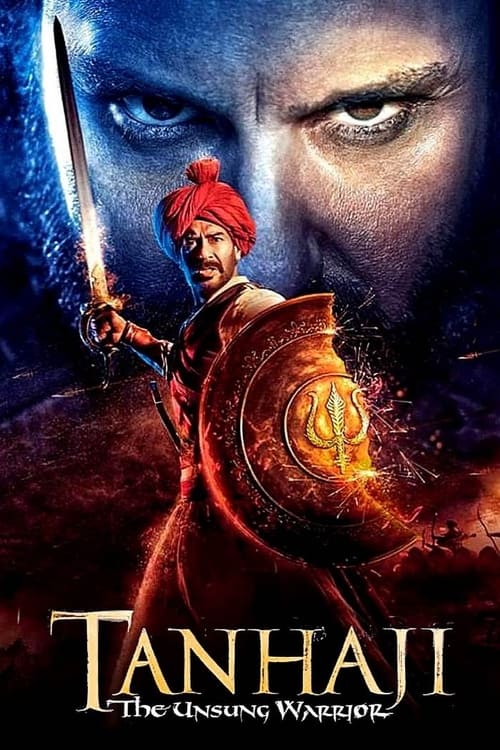
Tanhaji: The Unsung Warrior
2020
No user ratings available yet
Representation score: 0.8 out of 10
Representation Score
Limited
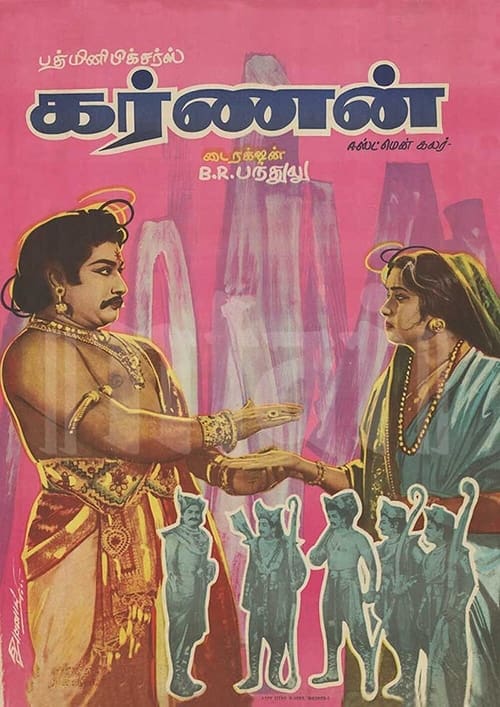
1964
Director
B. Ramakrishnaiah Panthulu
Runtime
177 minutes
Average Rating
No ratings yetNew Showbiz Analysis
Karnan (1964) is a traditional epic that reflects the social and religious values of its time. It does not challenge modern social norms, focusing instead on the internal hierarchies of ancient traditions. The film's strength lies in its nuanced exploration of caste-based identity and systemic exclusion. By centering on Karna's struggle against the 'Sutaputra' label, the narrative provides a sophisticated critique of how systemic labels clash with individual merit. However, the film lacks modern characters who reflect more than one aspect of diversity. It does not depict LGBTQ+ identities or disabilities, and female characters remain largely confined to conventional gender roles and patriarchal frameworks.
Category Breakdown
The film focuses on traditional mythological archetypes and does not depict any non-straight or non-cisgender identities. It emphasizes straight-centered family structures.
Female characters such as Kunti and Draupadi play important roles but are constrained by traditional hierarchies. Their influence is often defined by their relationships to male characters and societal norms.
The film examines caste-based identity rather than modern racial concepts. It highlights the exclusion faced by Karna, who is sidelined despite his divine attributes.
Embedded in Vedic traditions, the film explores the concept of Dharma. It adds moral complexity through Karna's struggle with situational ethics and personal integrity.
The film does not feature any significant depictions of physical, neurodivergent, or sensory disabilities.
Present on Screen
Limited or Absent
Official Synopsis
Brave and loyal warrior-archer Karna joins the Kauravas to battle the Pandavas in the Kurukshetra.
2020

1961

2017

1980
1975
2019
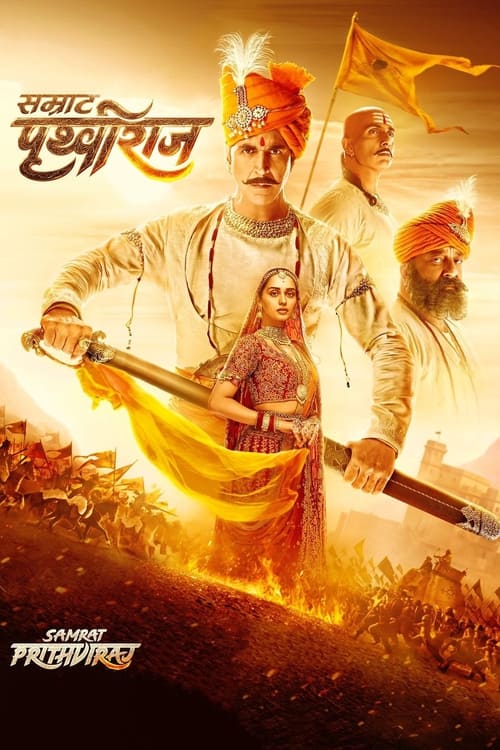
2022

1964
No reviews yet. Be the first to share your thoughts on this movie!
Use the rating form above to leave a star rating and optional review.