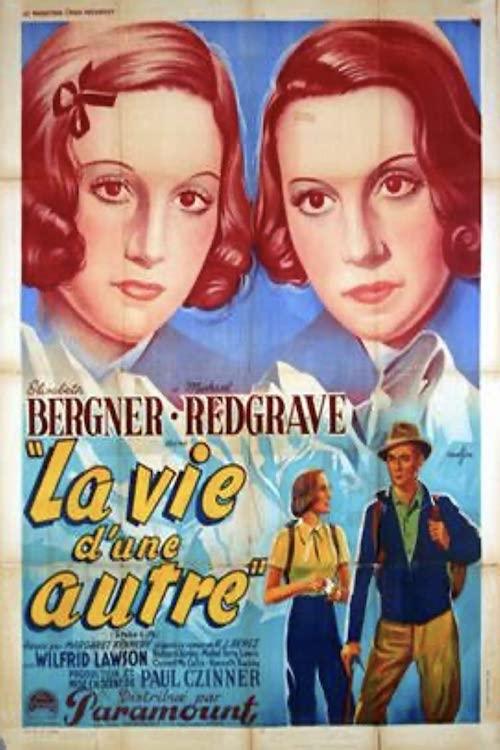
Stolen Life
1939
No user ratings available yet
Representation score: 3.0 out of 10
Representation Score
Minimal
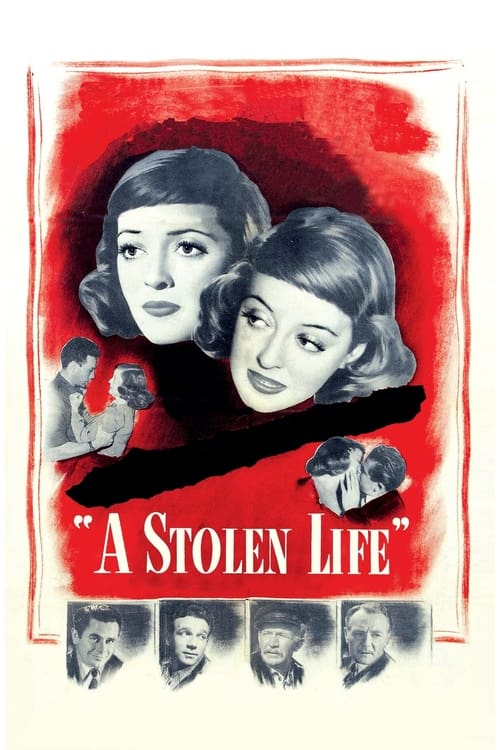
1946
NRDirector
Curtis Bernhardt
Runtime
109 minutes
Average Rating
No ratings yetNew Showbiz Analysis
A Stolen Life is a classic melodrama that focuses on individual psychological struggles rather than systemic issues. While it offers a platform for complex female emotionality, it does so within a framework that reinforces the social hierarchies of its time. The film's narrow focus on a specific, non-diverse social stratum results in a lack of racial and cultural variety. It functions as a portrait of mid-century Western values, emphasizing traditional family structures and individual morality. Ultimately, the film adheres to the conservative cultural standards of 1946, prioritizing sentimental explorations of identity and motherhood over any meaningful challenge to the status quo.
Category Breakdown
The film follows a strictly heterosexual and cisgender structure. Romantic longing and maternal bonds drive the plot, with no evidence of queer subtext or non-cisgender identities.
The story centers on women's ability to drive the plot, though it remains confined to domestic and emotional spheres. The protagonist shows resilience, yet the narrative relies on clichés of female sacrifice.
The production reflects the demographic homogeneity of 1940s Hollywood. The cast is predominantly Anglo-Saxon, lacking any significant presence of diverse racial or ethnic identities.
The narrative operates within a traditional Western moral framework. It prioritizes familial loyalty and the sanctity of motherhood rather than critiquing social institutions.
There are no prominent depictions of physical or neurodivergent disabilities. No characters are defined by disability as a central plot driver.
Present on Screen
Limited or Absent
Official Synopsis
When a woman’s twin sister is drowned, she assumes her identity in order to be close to the man she feels her sister took from her years before.
1939
1964
1955
1952
1946

2005
1933
1938
No reviews yet. Be the first to share your thoughts on this movie!
Use the rating form above to leave a star rating and optional review.