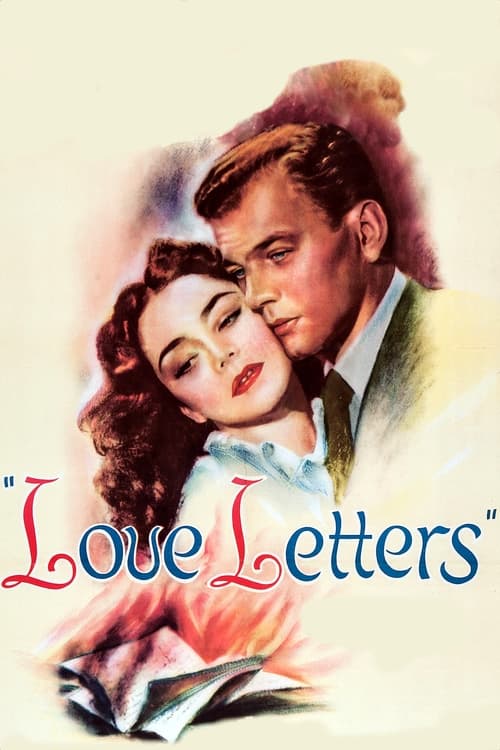
Love Letters
1945
No user ratings available yet
Diversity score: 1.6 out of 10

1950
NRDirector
William Dieterle
Runtime
98 minutes
Average Rating
No ratings yetSynopsis
Two sisters fall in love with the same man. After the wedding, the new husband realizes he may have married the wrong sister.
Overall Score
Minimal
Category Breakdown
LGBTQ+ Representation
The film contains no depictions of non-cisnormative identities or same-sex intimacy. Romantic arcs are strictly limited to traditional heterosexual pairings without queer subtext.
Gender Representation
Women navigate the story through emotional and moral agency, yet this is confined to relationships with men. The narrative reinforces period-typical roles of domestic and romantic struggle.
Racial & Ethnic Diversity
The casting is homogeneous, featuring a primarily white European cast. There is no evidence of racial blending or the inclusion of non-Anglo-Saxon characters.
Religious & Cultural Diversity
The story emphasizes traditional Western values like honor and duty within a structured class system. It upholds social stability and conventional morality rather than challenging them.
Disability Representation
There are no characters portrayed with physical or neurodivergent disabilities. No narratives are defined by impairment or disability-related agency.
Strengths
Areas for Improvement
AI Analysis
Paid in Full is a period melodrama that functions as a standard example of its era's storytelling. It prioritizes conventional moral structures and homogeneous casting, offering little in the way of social or identity-based disruption. The film adheres to a traditional 19th-century European framework, focusing on individual romantic conflicts and social obligations. This approach reinforces established hierarchies rather than critiquing them. Ultimately, the production reflects the mid-century cinematic standards of 1950, resulting in a narrative that lacks intersectional representation and diverse perspectives.
1945

1961
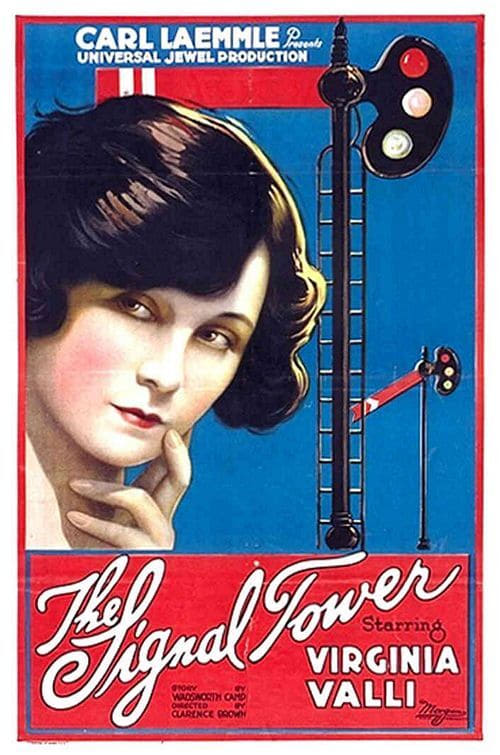
1924
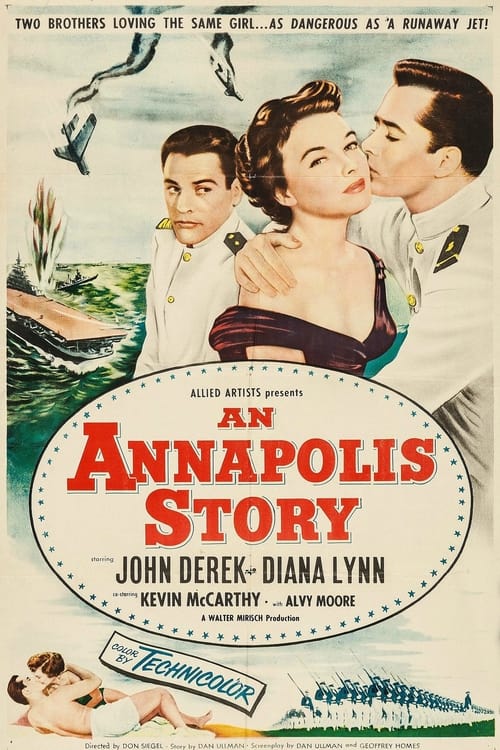
1955
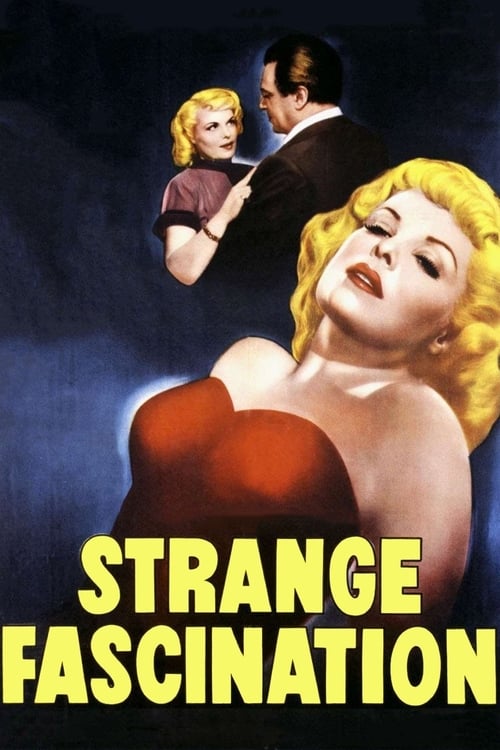
1952
1935
1969
1925
1958

1952
1943
1955
No reviews yet. Be the first to share your thoughts on this movie!
Use the rating form above to leave a star rating and optional review.