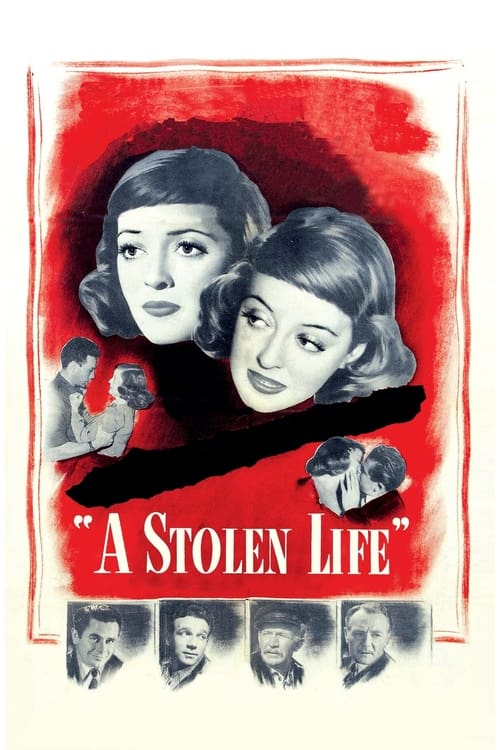
A Stolen Life
1946
No user ratings available yet
Representation score: 1.7 out of 10
Representation Score
Limited
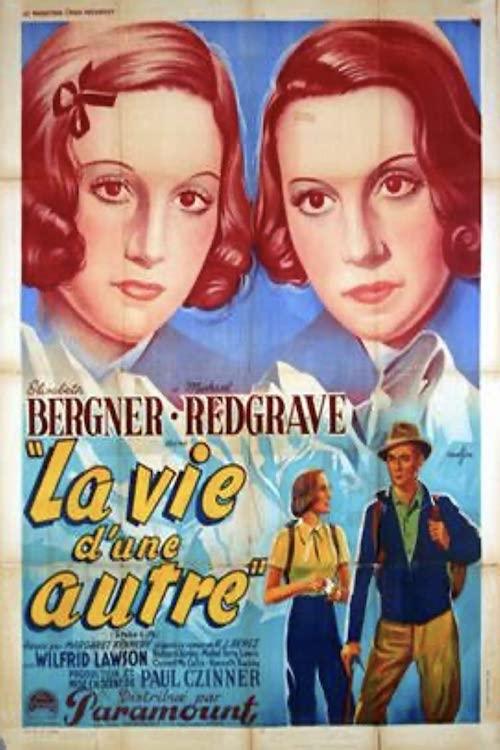
1939
ApprovedDirector
Paul Czinner
Runtime
90 minutes
Average Rating
No ratings yetNew Showbiz Analysis
Stolen Life is a character-driven drama that excels in the psychological complexity of its female leads. By using identical twins as dual protagonists, the film challenges traditional feminine roles and gives the women control over the central romantic conflict. However, the film is confined by the historical context of late 19th-century Europe, reflecting the homogeneous social and racial structures of the time. It lacks ethnic diversity. The narrative stays focused on traditional romantic stakes and individual drama, with no representation for LGBTQ+ identities or significant disability-driven ability to act.
Category Breakdown
The film follows typical romantic structures of the time. There is no indication of non-straight relationships or same-sex intimacy within the story.
The film features identical twin sisters as protagonists, allowing for an exploration of women's roles and control in the narrative. However, the conflict revolves around traditional romantic dynamics.
Set in late 19th-century Europe, the film reflects the homogeneous society of the period. It lacks diverse racial perspectives or blending.
The story centers on individualistic romantic conflicts and sibling rivalry. It introduces moral ambiguity through themes of deception and stolen identity.
There is no indication of neurodivergence or significant disabilities impacting character actions. The narrative focuses mainly on the twin identity dynamic.
Present on Screen
Limited or Absent
Official Synopsis
Adapted from the best-selling novel by K. J. Benes, A Stolen Life serves as a tour de force for German actress Elizabeth Bergner, whose husband Paul Czinner directed the film. Bergner stars as identical twins Sylvina and Martina, whose mild sibling rivalry intensifies when one of the girls tricks the other's sweetheart Alan McKenzie (Michael Redgrave) into proposing to the wrong twin.
1946
1952
1955
1964
1933
1932

1935
1931
No reviews yet. Be the first to share your thoughts on this movie!
Use the rating form above to leave a star rating and optional review.