
UNFAIR: the end
2015
No user ratings available yet
Representation score: 5.0 out of 10

Representation Score
Fair
2007
Director
Yoshinori Kobayashi
Runtime
112 minutes
Average Rating
No ratings yetNew Showbiz Analysis
The film excels as a genre-driven investigation that challenges traditional power hierarchies. By focusing on a female detective as the primary driver for uncovering systemic corruption, it moves away from passive female roles often found in thrillers. However, the film remains limited by a lack of diverse identity markers. The focus on domestic Japanese structures and professional hierarchies results in a narrow demographic scope. Ultimately, while the film offers a strong critique of institutional integrity, its lack of ethnic and LGBTQ+ visibility keeps the overall diversity score modest.
Category Breakdown
The film does not provide explicit information about the sexual orientations of its characters. The story focuses on professional hierarchies rather than identity-driven subplots or critiques of assumptions about straight relationships.
A female character leads the plot with high professional involvement. Her intelligence and determination challenge traditional male leadership clichés common in the action-thriller genre.
The production reflects the demographic reality of Japan. The story centers on internal systemic structures rather than multi-ethnic or globalized casting.
The narrative critiques traditional institutions and established authority. It prioritizes an individual's pursuit of justice over the preservation of a corrupt status quo.
There is no mention of characters having visible or invisible disabilities within the narrative.
Present on Screen
Limited or Absent
Official Synopsis
When a devoted detective probes the suspicious death of her father, she uncovers massive corruption and finds herself in grave danger.
2015

2014
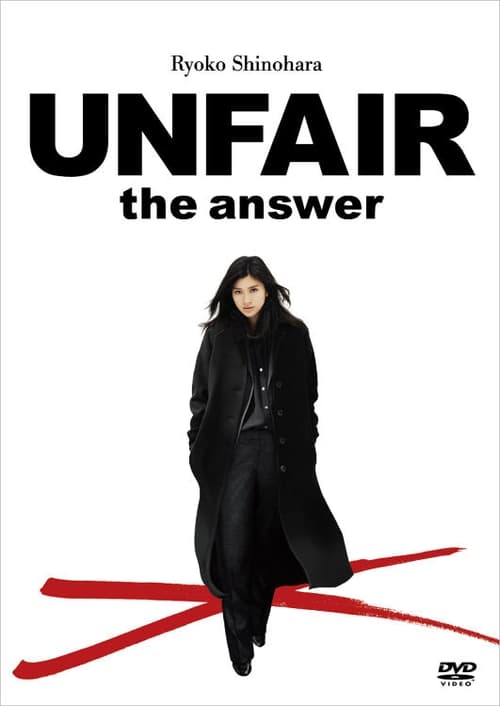
2011

2007

1998

2010

2006

2019
No reviews yet. Be the first to share your thoughts on this movie!
Use the rating form above to leave a star rating and optional review.