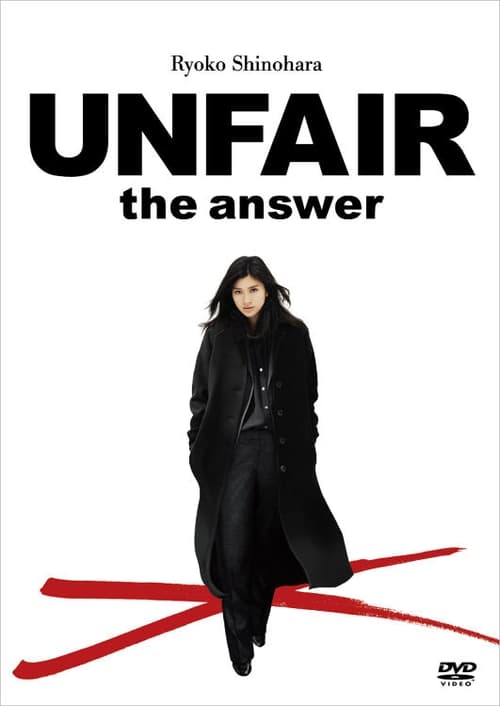
UNFAIR: the answer
2011
No user ratings available yet
Representation score: 4.8 out of 10
Representation Score
Fair
2015
Director
Shimako Sato
Runtime
108 minutes
Average Rating
No ratings yetNew Showbiz Analysis
The film stands out by placing a capable woman in a position of high-stakes authority, challenging traditional gender roles. Natsumi Yukihira is an active investigator, not a passive character, offering a strong example of female leadership in a thriller setting. However, the film's scope is limited to a specific Japanese context, with a largely homogeneous cast and setting. It lacks significant multi-ethnic or characters who reflect more than one aspect of diversity. While the film does not include LGBTQ+ or disability arcs, it offers a critical perspective on institutional corruption and power structures.
Category Breakdown
The film follows a typical storyline centered around straight relationships, focusing on the protagonist's relationship with her ex-husband without showing any non-traditional gender identities.
The movie challenges traditional gender stereotypes by featuring a capable female lead in a male-dominated police environment. Natsumi Yukihira drives the story through her intelligence and active role.
The cast and setting are primarily homogeneous, reflecting the specific demographics of Tokyo without using harmful stereotypes.
The story criticizes institutional stability by showing a corrupt underground organization controlling the country. This highlights the dysfunction within institutions rather than upholding state-centric views.
There are no prominent depictions of visible or invisible disabilities. No such elements play a central role in the narrative.
Present on Screen
Limited or Absent
Official Synopsis
Natsumi Yukihira (Ryoko Shinohara) receives secret documents of an organization that controls the country from the shadows. Because of this, Natsumi's ex-husband, Kazuo Sato (Teruyuki Kagawa) pays a terrible price. Natsumi goes back to the Investigation #1 of Tokyo Metropolitan Police Department to take on the organization, but Natsumi becomes involved in a new case. She gets closer to the final enemy.
2011
2007

1998
2006

2007
2013

1997
No reviews yet. Be the first to share your thoughts on this movie!
Use the rating form above to leave a star rating and optional review.