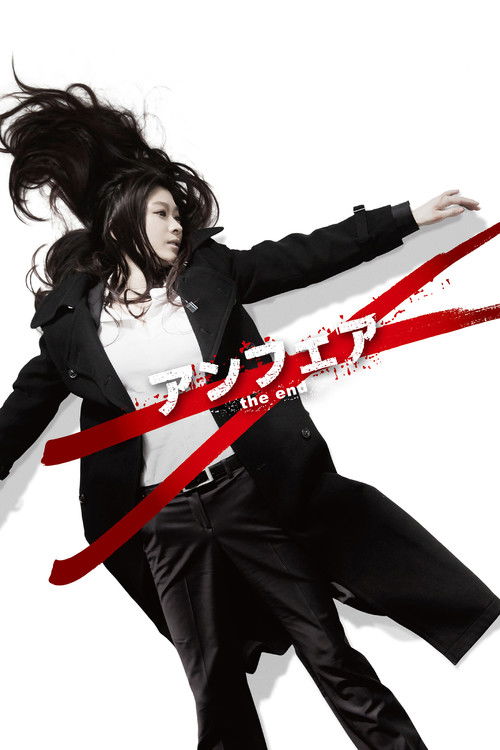
UNFAIR: the end
2015
No user ratings available yet
Representation score: 5.0 out of 10
Representation Score
Limited
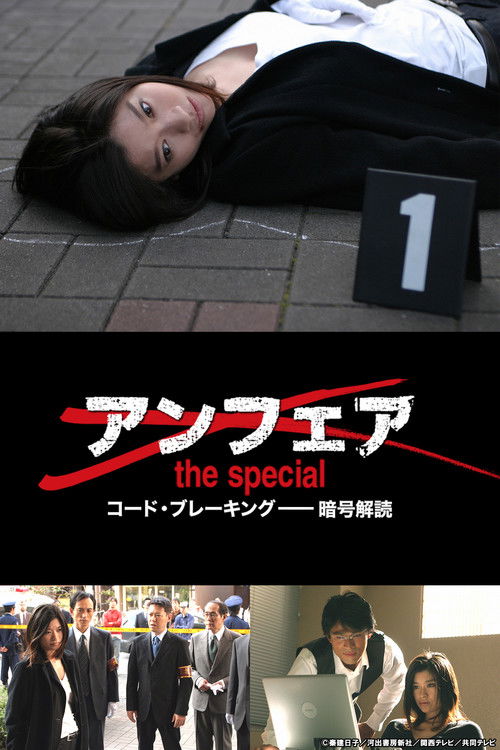
2006
Director
Yasushi Ueda
Runtime
112 minutes
Average Rating
No ratings yetNew Showbiz Analysis
Code Breaking is a genre-focused mystery that prioritizes procedural deconstruction over social identity politics. While it succeeds in presenting a strong female protagonist, it operates within a very narrow demographic scope. The film adheres to the standard conventions of its era and region, resulting in a homogeneous cast and a lack of character depth that reflects multiple aspects of identity. Ultimately, the work challenges gendered leadership roles but fails to expand its scope regarding race, culture, or LGBTQ+ identities.
Category Breakdown
The film reflects the assumption that everyone is straight or cisgender, which was common in mid-2000s Japanese television. There is no specific evidence of non-cisgender identities or queer character arcs within this special.
The franchise centers on Kazuko Kuriyama, a female lead who drives the intellect and ability to act of the story. This positioning disrupts traditional gender hierarchies in a male-dominated field.
The cast and setting are predominantly homogeneous, reflecting the localized nature of Japanese domestic thrillers. The narrative does not utilize diverse casting or themes that bend racial boundaries.
The story engages with institutional corruption and the complexities of justice. However, it remains rooted in conventional social structures rather than offering radical secularist or anti-capitalist critiques.
There is no visible or invisible disability representation documented in this production.
Present on Screen
Limited or Absent
2015

2001

2009
2009

2007
2013
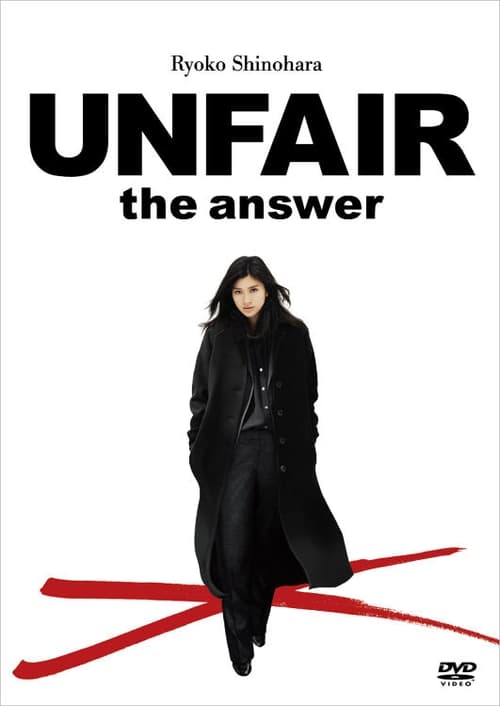
2011

2019
No reviews yet. Be the first to share your thoughts on this movie!
Use the rating form above to leave a star rating and optional review.