
The Pledge
2001
No user ratings available yet
Representation score: 3.2 out of 10
Representation Score
Minimal
2010
RDirector
Martin Campbell
Runtime
117 minutes
Average Rating
No ratings yetNew Showbiz Analysis
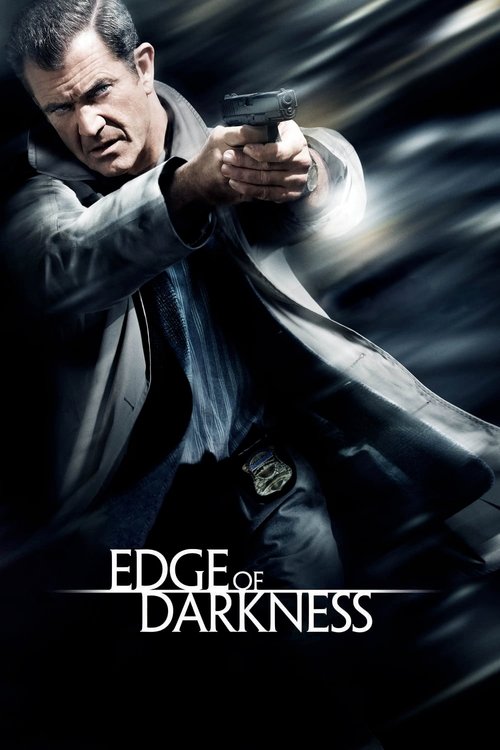
Edge of Darkness is a genre-driven political thriller that prioritizes institutional critique over demographic variety. While the film explores themes of corruption and the instability of truth, it does so through a very narrow lens of identity. The narrative relies heavily on traditional archetypes, specifically a white, male protagonist navigating a homogeneous social structure. This results in a lack of representation across LGBTQ+, racial, and disability categories. However, the film finds its progressive edge through its skepticism of power. By framing Western political and scientific institutions as untrustworthy, it challenges the perceived moral superiority of the state.
Category Breakdown
The film does not include any LGBTQ+ characters or narratives. It presents a conventional social landscape without engaging with non-straight identities.
The story centers on a traditional masculine figure of a grieving father. Women hold professional roles but mainly serve as catalysts for the male protagonist's journey.
Casting reflects a predominantly white, Anglo-Saxon environment. The film lacks intentional diverse casting within its depiction of Washington, D.C. intelligence and scientific communities.
The film offers a systemic critique of Western institutions. It portrays government agencies as opaque and corrupt, framing state authority as an entity to be resisted.
There are no prominent depictions of physical or neurodivergent disabilities. No characters with disabilities drive the narrative or possess meaningful control over events.
Present on Screen
Limited or Absent
Official Synopsis
As a seasoned homicide detective, Thomas Craven has seen the bleakest side of humanity. But nothing prepares him for the toughest investigation of his life: the search for his only daughter Emma's killer. Now, he is on a personal mission to uncover the disturbing secrets surrounding her murder, including corporate corruption, government collusion and Emma's own mysterious life.
2001
2009

2014

2009

2011
2009
2008

2010
No reviews yet. Be the first to share your thoughts on this movie!
Use the rating form above to leave a star rating and optional review.