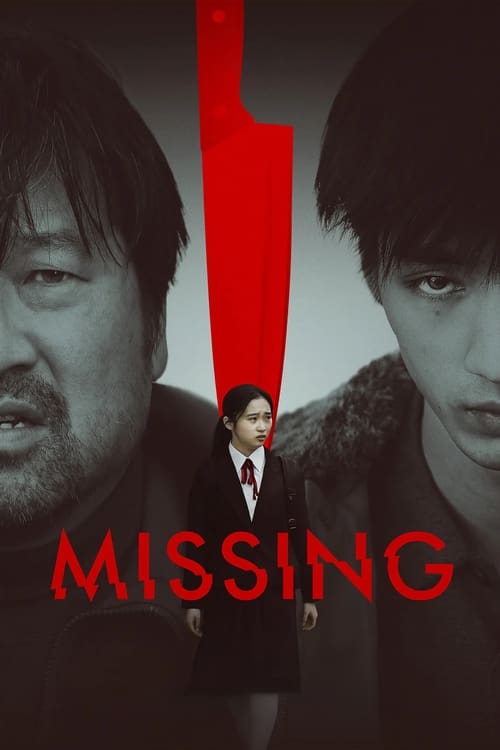
Missing
2022
No user ratings available yet
Representation score: 6.4 out of 10
Representation Score
Good
2014
NRDirector
Tetsuya Nakashima
Runtime
118 minutes
Average Rating
No ratings yetNew Showbiz Analysis
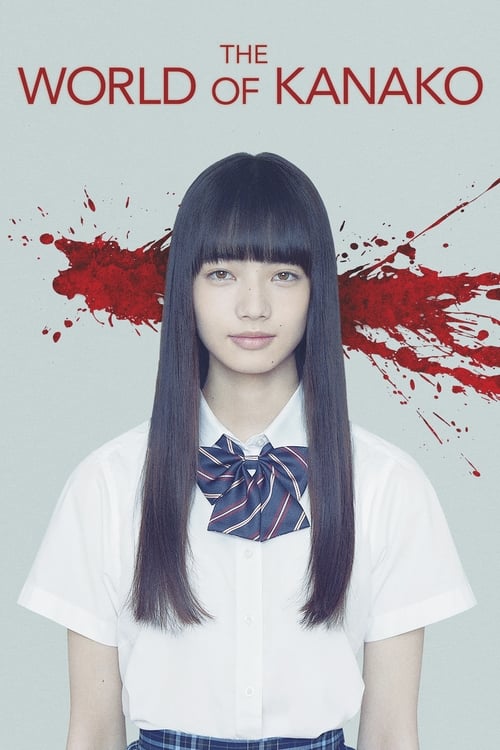
Tetsuya Nakashima’s film is a stylistic deconstruction of social stability. It excels in challenging traditional gender hierarchies and social institutions. However, the film falls short in representing diverse demographics. The setting is localized and homogeneous, and there is no focus on LGBTQ+ identities or disability rights.
Category Breakdown
The film adheres to a strict focus on straight relationships and traditional gender roles. It does not depict same-sex intimacy or explore non-binary gender identities.
Kanako challenges the 'innocent female' stereotype by taking an active role in the plot. She manipulates the men around her and breaks down traditional damsel-in-distress clichés.
The cast is predominantly Japanese, with a focus on internal social dynamics rather than multicultural representation.
The film critiques traditional institutions such as the family and the police force by presenting them as hollow and lacking cohesion.
The film includes psychological instability and mental fragmentation, but these elements support the film's nihilistic themes without addressing neurodivergence or disability rights.
Present on Screen
Limited or Absent
Official Synopsis
When Kanako, a model daughter and a brilliant student, disappears, her mother asks her ex-husband, a violent former policeman, to find her. As his investigation progresses, his idealized image of Kanako cracks: the girl hides a dark life that her father can not even imagine.
2022

2011

2010
2014

2002

2014

2015

2022
No reviews yet. Be the first to share your thoughts on this movie!
Use the rating form above to leave a star rating and optional review.