
Breakfast for Two
1937
No user ratings available yet
Diversity score: 2.2 out of 10
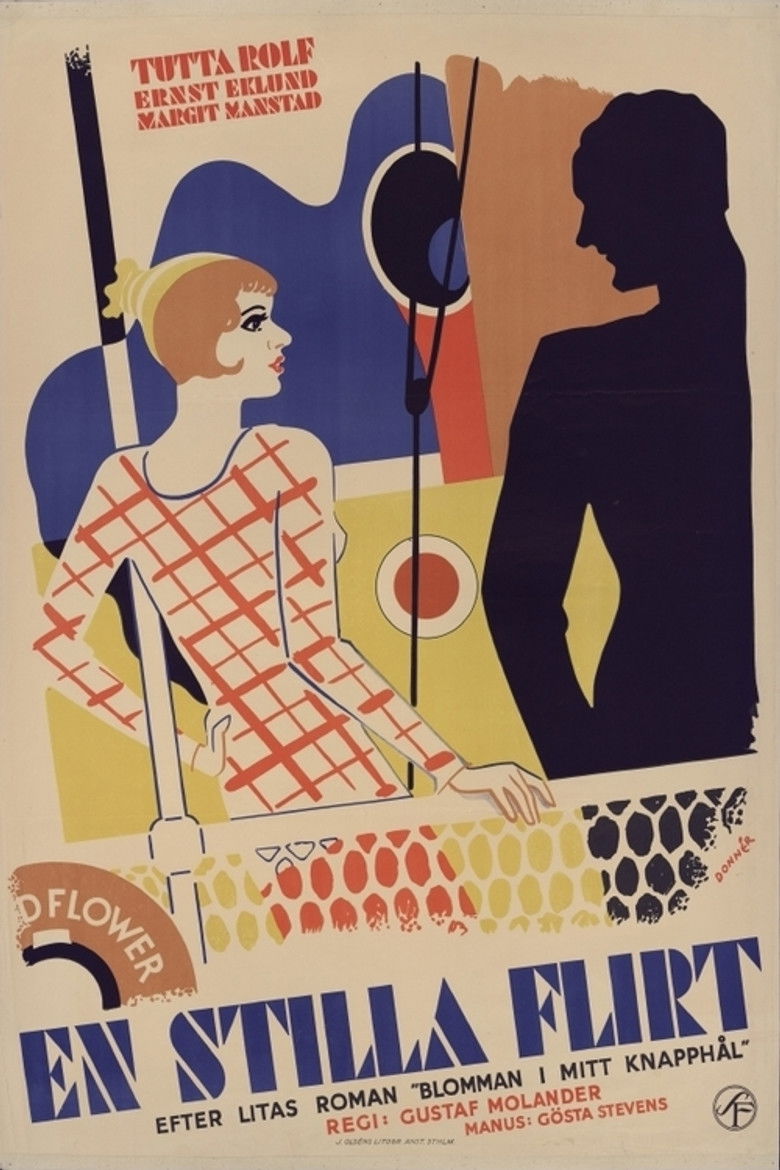
1934
Director
Gustaf Molander
Runtime
95 minutes
Average Rating
No ratings yetSynopsis
Orphan Didi is raised by her aunts and in love with her ward, the surgeon Dr. Gunnar Green. He is more interested in the stars of the theatre so Didi decides to fight for him.
Overall Score
Limited
Category Breakdown
LGBTQ+ Representation
The film follows a traditional heteronormative courtship between Didi and Dr. Gunnar Green. It lacks any representation of non-cisnormative identities or narratives that challenge the gender binary.
Gender Representation
Didi displays a degree of agency by actively pursuing her romantic interest. However, her motivations remain tied to romantic conquest, and the film maintains the era's patriarchal social hierarchies.
Racial & Ethnic Diversity
The production reflects the demographic homogeneity of 1930s Swedish urban society. There is no evidence of racial or ethnic plurality within the cast or setting.
Religious & Cultural Diversity
The story focuses on middle-class social circles and romantic etiquette. It reinforces traditional Western social structures rather than critiquing them or deconstructing the nuclear family.
Disability Representation
There are no visible or invisible disabilities portrayed as central to the character development or the narrative.
Strengths
Areas for Improvement
AI Analysis
A Little Flirt is a quintessential romantic comedy of the 1930s Swedish Golden Age. It functions primarily to reinforce the social and gender expectations of its era through a traditional courtship plot. While the protagonist, Didi, shows more individual agency than typical passive female roles by fighting for her lover's affection, the film remains anchored in established patriarchal and heteronormative frameworks. The narrative does not seek to subvert systemic hierarchies. Ultimately, the film is a localized, culturally specific work that lacks racial, ethnic, or intersectional diversity, reflecting the demographic homogeneity of its time and place.
1937
1938
1934
1934
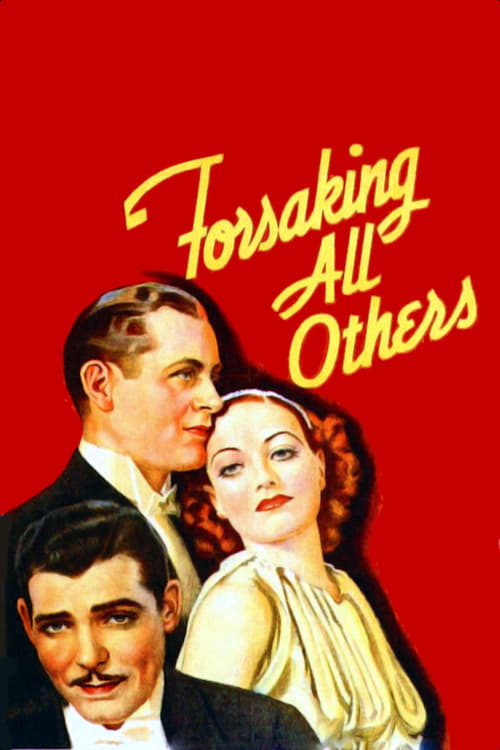
1934
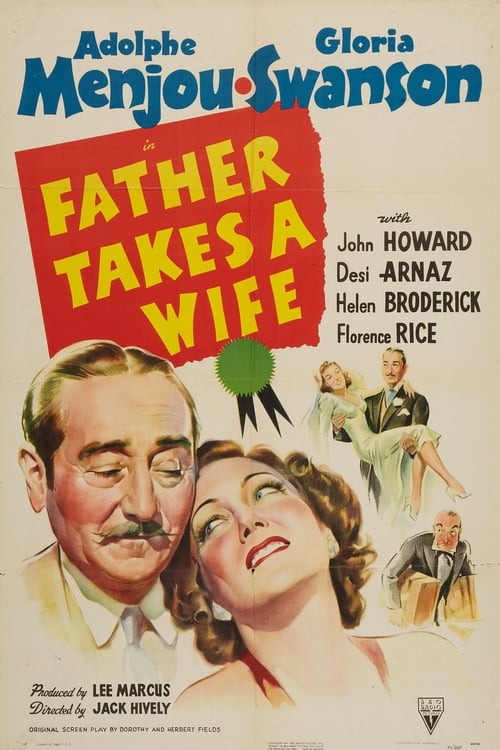
1941
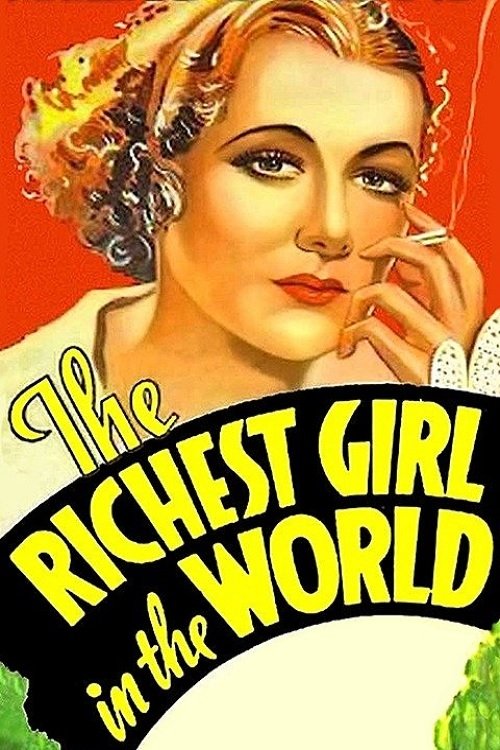
1934
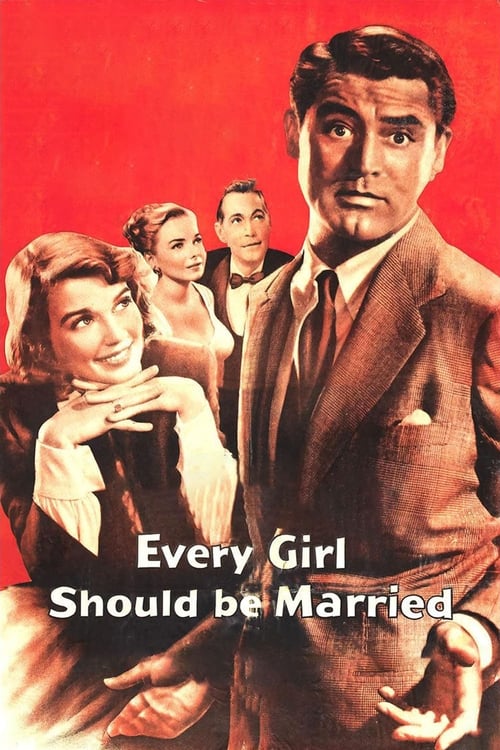
1948
1938
1937
1928
1943
No reviews yet. Be the first to share your thoughts on this movie!
Use the rating form above to leave a star rating and optional review.