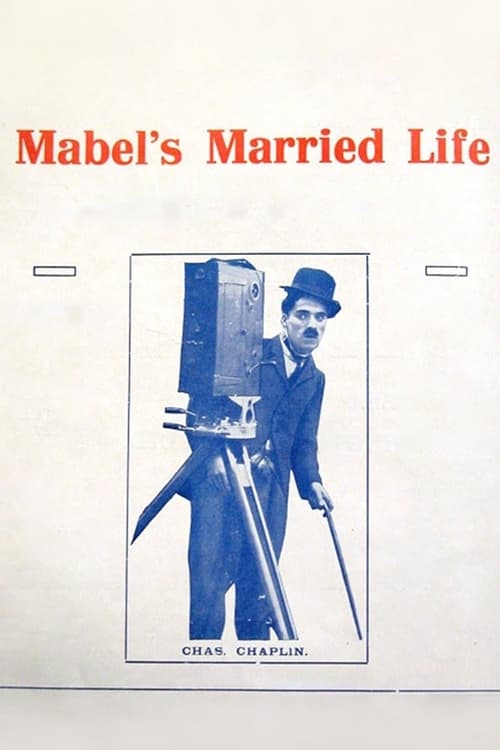
Mabel's Married Life
1914
No user ratings available yet
Representation score: 1.4 out of 10
Representation Score
Minimal
1914
NRDirector
Mack Sennett
Runtime
6 minutes
Average Rating
No ratings yetNew Showbiz Analysis
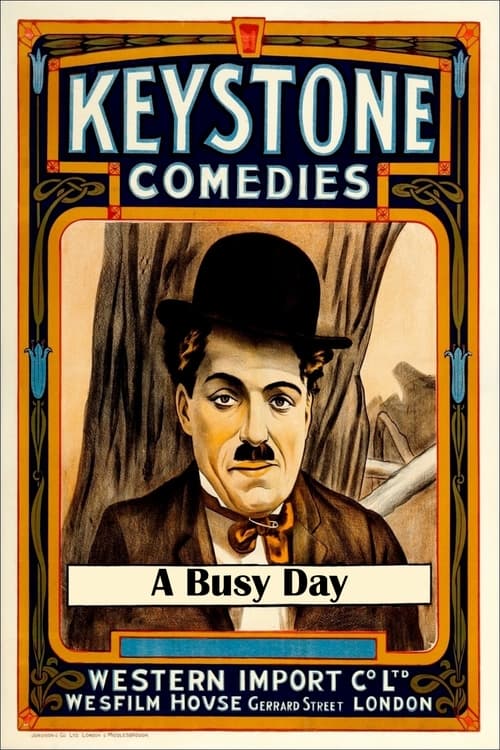
A Busy Day is a product of its historical context, using slapstick humor to explore standard social structures. The narrative relies on traditional domestic conflicts, such as infidelity and jealousy, which reinforce the assumptions of a straight-dominated society and patriarchal norms of the early 20th century. The film lacks intentionality in challenging social hierarchies. Its focus on a traditional marital unit and the absence of diverse casting suggest a narrow representational landscape typical of 1914 cinema.
Category Breakdown
The film does not include any characters with non-straight sexual orientations or same-sex relationships. The storyline revolves around a traditional marriage conflict between a husband and wife.
Gender roles adhere to conventional 1914 stereotypes, focusing on a domestic dispute involving infidelity. The narrative emphasizes patriarchal dynamics through the actions of a jealous wife and an unfaithful husband.
The film likely reflects the homogeneous casting practices of the early silent era. There is no indication of non-Anglo-Saxon characters or diverse ethnic representation.
The story centers on the disruption of a traditional marital unit. It adheres to the moral storytelling conventions of the time without exploring secularism or alternative cultural values.
There is no information available regarding the portrayal of characters with physical or neurodivergent disabilities.
Present on Screen
Limited or Absent
Official Synopsis
A jealous wife is chasing her unfaithful husband during a parade, after he starts to flirt with a pretty woman.
1914
1914

1914
1914
1915
1913
1914

1915
No reviews yet. Be the first to share your thoughts on this movie!
Use the rating form above to leave a star rating and optional review.