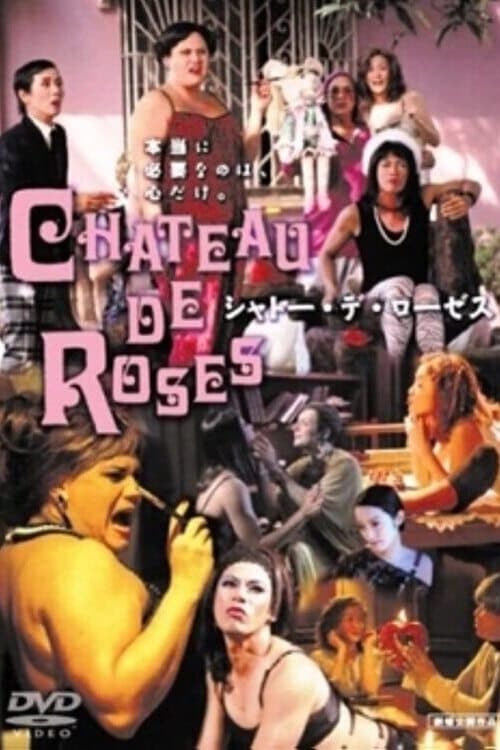
Chateau de Roses
2005
No user ratings available yet
Representation score: 0.0 out of 10
Representation Score
Minimal
2004
Director
Katsuhito Ishii
Runtime
143 minutes
Average Rating
No ratings yetNew Showbiz Analysis
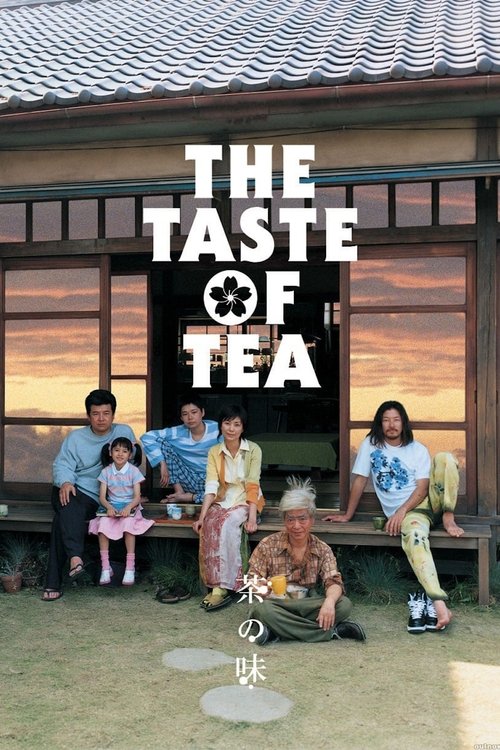
This film is a sensory, postmodern exploration of domestic life in post-war Japan. It prioritizes aesthetic and philosophical inquiry over social representation, focusing on the internal experiences of a specific family unit. While the narrative employs non-linear storytelling to challenge traditional structures, it does not engage with multi-layered identities or systemic power dynamics. Ultimately, the work serves as a contemplative study of memory and sensation rather than a vehicle for social or political subversion.
Category Breakdown
The film centers on a traditional nuclear family in a rural setting. There are no LGBTQ identities or same-sex relationships portrayed.
Yoshiko deviates slightly from typical gender roles through her work in animation. However, the story primarily focuses on the everyday life of a 1950s household.
The story is set in a homogeneous Japanese family and stays true to its historical and geographic context. It does not include diverse ethnic groups.
The film highlights sensory experiences and quietism rather than political or religious themes. It does not critique traditional institutions like family or state.
The film does not depict any visible or invisible disabilities. Character arcs are not influenced by neurodivergence or physical impairments.
Present on Screen
Limited or Absent
Official Synopsis
A spell of time in the life of the five-piece Haruno family in rural Tochigi Prefecture. Yoshiko is not an ordinary housewife, instead working on an animated film project. Uncle Ayano, a successful music producer, is looking to get his head together after living in Tokyo. Meanwhile, Sachiko is concerned with why she seems to be followed by a giant version of herself. As the lazy days pass by, each member of the family is followed in a series of episodic vignettes.
2005
1999
2002
2004
2003

2013
1984
2013
No reviews yet. Be the first to share your thoughts on this movie!
Use the rating form above to leave a star rating and optional review.