Family Life
1985
No user ratings available yet
Representation score: 4.1 out of 10
Representation Score
Fair
1996
Director
Tonie Marshall
Runtime
100 minutes
Average Rating
No ratings yetNew Showbiz Analysis
Tonie Marshall’s work excels at subverting gender hierarchies by placing female autonomy at the center of the narrative. By focusing on characters like Sylvette and Sophie, the film explores the psychological pressures of domesticity. However, the film is limited by its specific geographic and ethnic context. The rural French setting results in a predominantly white cast, lacking diverse representation. Additionally, the narrative lacks specialized representation for LGBTQ+ identities or disability stories. Ultimately, the film is a study of class and gender rather than broad demographic diversity. It succeeds in deconstructing the traditional family unit but remains narrow in its social scope.
Category Breakdown
The film adheres to traditional romantic and familial structures without depicting same-sex intimacy or challenging heteronormativity.
The narrative centers female experiences in a rural, working-class setting. Characters like Sylvette and Sophie take control of their emotional and social realities.
The cast is predominantly white and European, reflecting its mid-1990s rural French setting. It lacks the diverse representation found in more modern works.
The film critiques the stability of traditional Western family structures through a fragmented family unit. It focuses on individual struggles rather than religious morality.
There is no prominent focus on neurodivergence, physical disabilities, or chronic illness. Character struggles are primarily socioeconomic and psychological.
Present on Screen
Limited or Absent
Official Synopsis
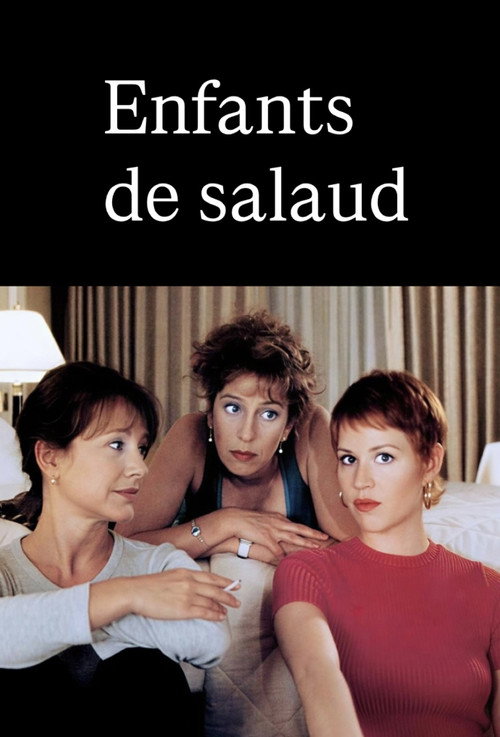
Sylvette, a sassy waitress, Sandro, a macho guy, Sophie, a shy bourgeoisie, and Susan, an American actress, do not know each other and do not have much in common. However, they all have the same father, a scammer named Julius.
1985

1990
2003

1974

2019

2024

1990
2006
No reviews yet. Be the first to share your thoughts on this movie!
Use the rating form above to leave a star rating and optional review.