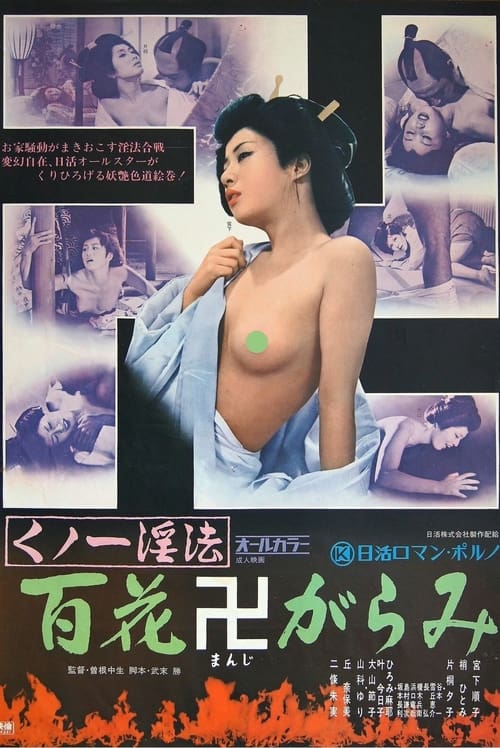
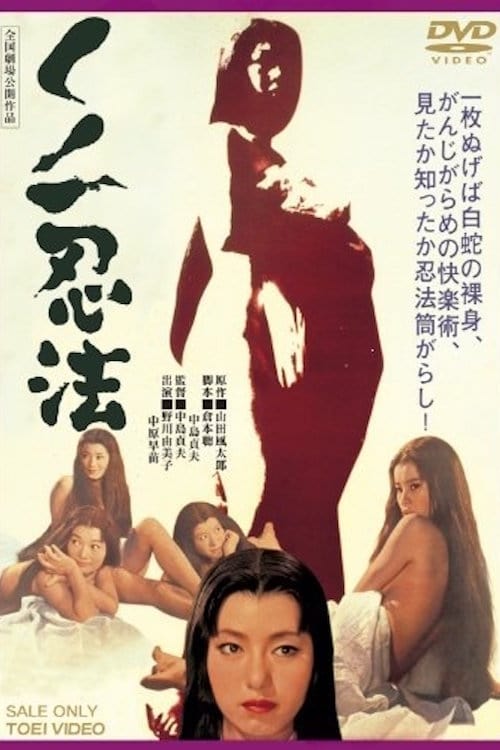
Female Ninja Magic: 100 Trampled Flowers
1974
No user ratings available yet
Representation score: 5.3 out of 10
Representation Score
Fair
1964
Director
Sadao Nakajima
Runtime
88 minutes
Average Rating
No ratings yetNew Showbiz Analysis
Female ninja magic upends traditional genre conventions by placing women at the center of a high-stakes political conflict. Instead of being passive figures, the female ninjas are the primary drivers of the action, using supernatural abilities to challenge male dominance. While the film maintains ethnic uniformity due to its historical setting, it overturns patriarchal structures typical in Edo-period dramas. The clash between the female ninjas and the Iga clan creates a structural battle of the sexes that highlights female empowerment. Overall, the film offers a progressive shift from conventional period narratives by emphasizing female combatants and their resistance against institutional power.
Category Breakdown
The film does not explicitly depict same-sex intimacy or non-cisgender identities. The storyline revolves around preserving a specific bloodline through heterosexual reproduction. However, women are given roles beyond traditional domestic duties.
The narrative centers on female ninjas who have specialized abilities and supernatural powers. These women drive the plot as primary combatants. They actively challenge male-led clans and established political authority.
Set during the Edo period, the cast is ethnically uniform. The film adheres to the historical constraints of its Japanese setting. It does not use diverse casting to broaden its demographic range.
The story portrays the ruling Tokugawa regime as an antagonistic force. By focusing on the struggle of the Toyotomi descendants, the film examines resistance against centralized authority. Supernatural elements enhance the narrative.
There is no indication of the portrayal of physical or neurodivergent disabilities in this work.
Present on Screen
Limited or Absent
Official Synopsis
In Osaka during the Edo period, ruler Sanada Yukimura was in losing position, fearing Toyotomi's blood descendents would end, he impregnates one of five Shinano female ninja with the seed of Toyotomi Hideyoshi in hopes of continuing the bloodline. Princess Sen and the five female ninja escape from Osaka castle by blending in with the handmaidens. Lord Tokugawa Ieyasu who was supposed to rule all under the heavens was informed of this secret. So Ieyasu orders five samurai of the Iga Ninja clan (brought by Hattori Hanzo) to stop the Toyotomi bloodline by killing the Kunoichi ninja. An attack of ninja magic arts unfolds in a battle of the sexes.
1974

1972
1994

2009
1991
1968
1998
1993
No reviews yet. Be the first to share your thoughts on this movie!
Use the rating form above to leave a star rating and optional review.