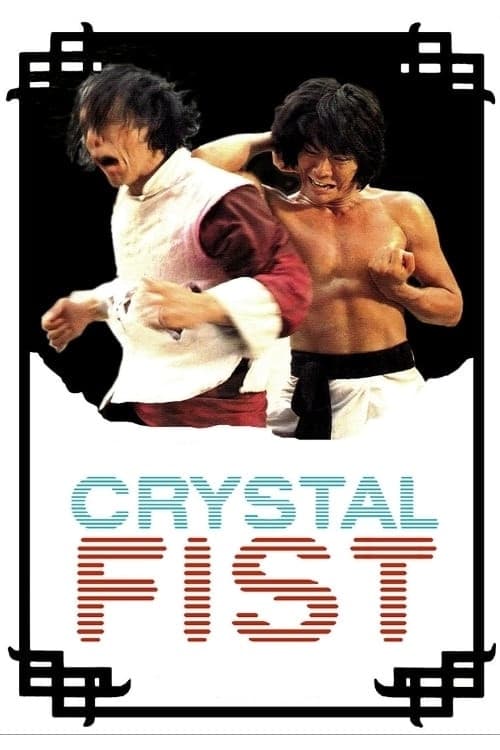
Crystal Fist
1979
No user ratings available yet
Representation score: 2.8 out of 10
Representation Score
Limited
1976
RDirector
John Woo
Runtime
97 minutes
Average Rating
No ratings yetNew Showbiz Analysis
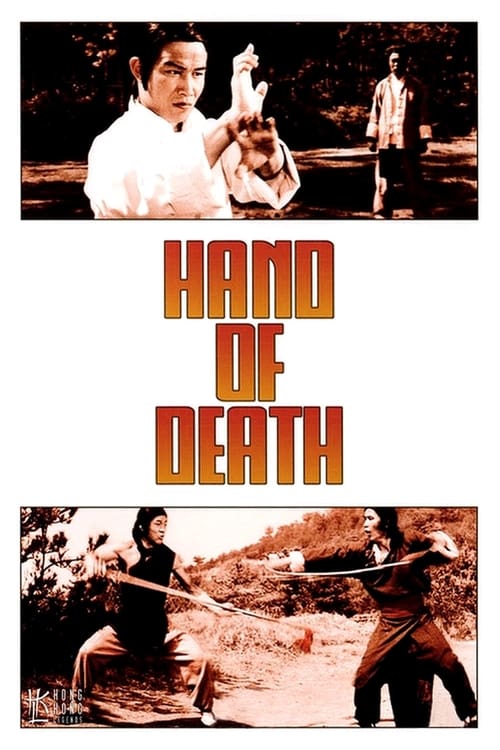
Hand of Death is a traditional martial arts film that adheres to the genre clichés of 1970s Hong Kong cinema. The narrative prioritizes historical and cultural archetypes, focusing on established masculine combat roles and specific ethnic traditions. While the film provides a strong sense of cultural identity through its setting and cast, it lacks the breadth of representation found in contemporary cinema, particularly regarding gender and LGBTQ+ identities.
Category Breakdown
The film does not include any visible LGBTQ+ characters or narratives. It focuses on traditional martial arts themes without addressing non-assuming gender matches what was assigned at birth identities.
The story centers around male characters, such as a young monk and a warlord, and does not challenge traditional gender roles or offer diverse female roles.
The film features a predominantly Chinese cast, reflecting a culturally specific foundation centered on Shaolin heritage.
The story emphasizes traditional values of monastic discipline and frames the conflict as a struggle to protect sacred Shaolin traditions.
There are no characters with visible or invisible disabilities mentioned in the narrative.
Present on Screen
Limited or Absent
Official Synopsis
A young monk must face the Extended Iron Claw technique of a powerful warlord seeking to destroy Shaolin.
1979
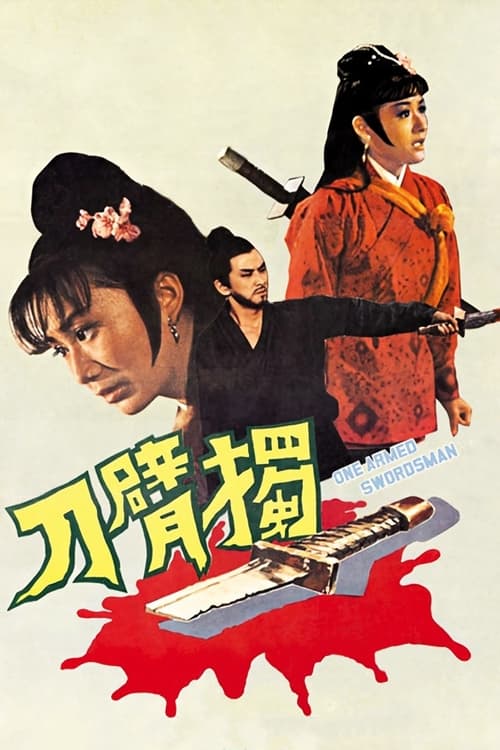
1967
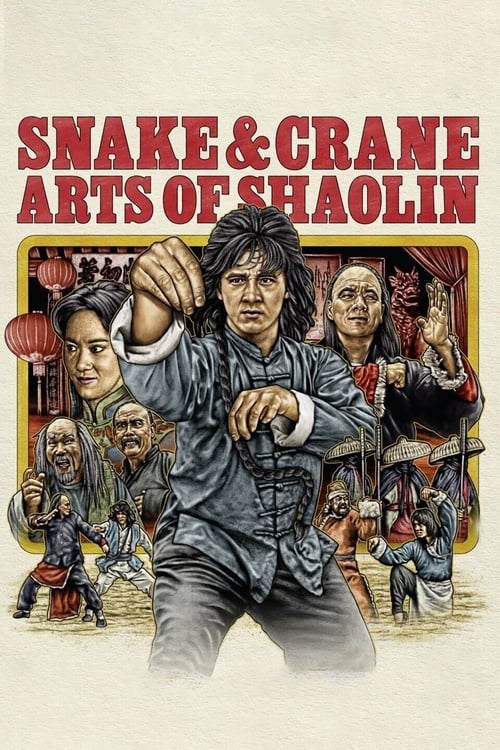
1978
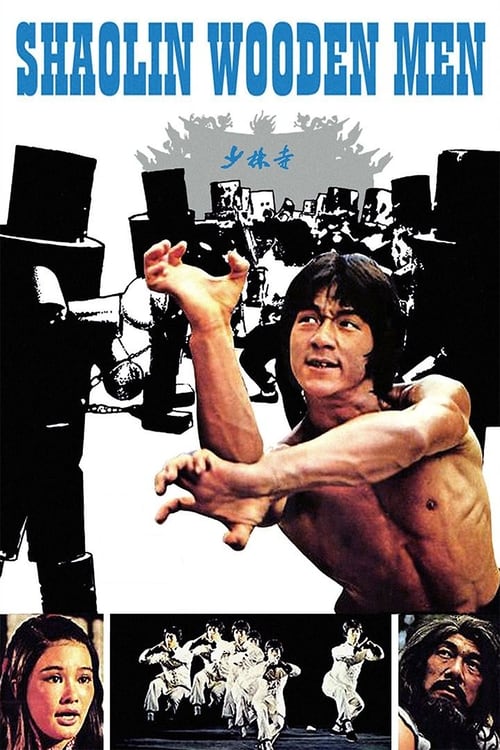
1976
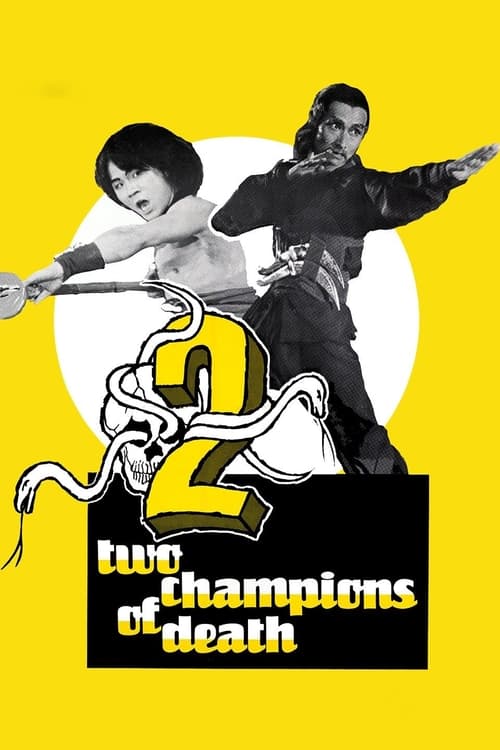
1980

1980
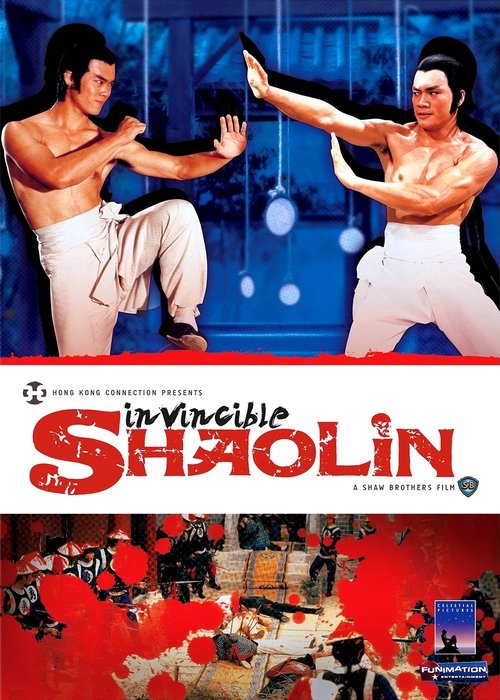
1978
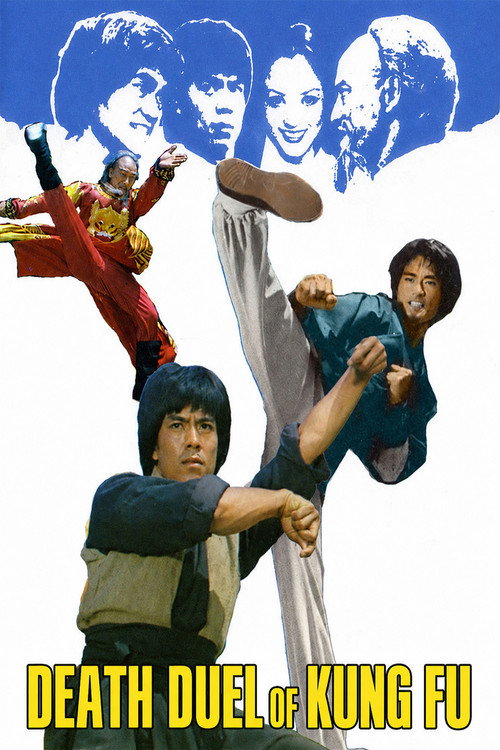
1979
No reviews yet. Be the first to share your thoughts on this movie!
Use the rating form above to leave a star rating and optional review.