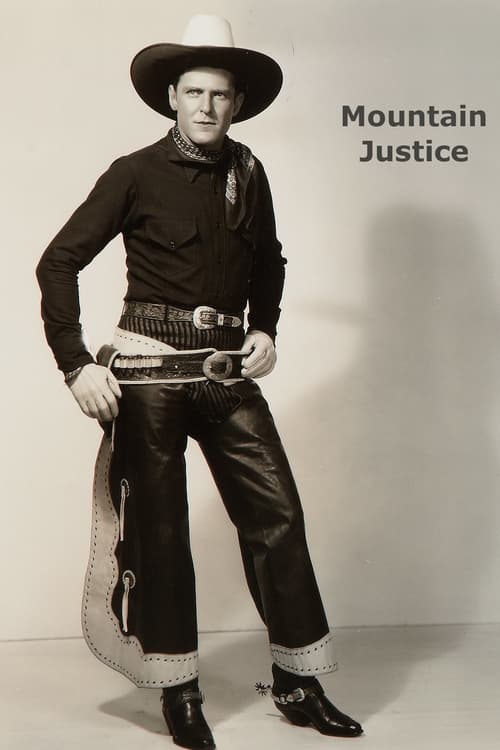
Mountain Justice
1930
No user ratings available yet
Diversity score: 3.1 out of 10

1935
ApprovedDirector
Spencer Gordon Bennet
Runtime
59 minutes
Average Rating
No ratings yetSynopsis
Ken Armstrong (Ken Maynard) finds himself a mine owner and a daddy simultaneously when a friend dies and wills him his mine and his baby. The outlaws eying the mine try to frame the hero for the death.
Overall Score
Minimal
Category Breakdown
LGBTQ+ Representation
The film focuses on a traditional romantic interest and a heteronormative family structure. There is no evidence of non-cisnormative identities or narratives that critique these social frameworks.
Gender Representation
Ken Armstrong occupies the role of the decisive, capable protector and provider. While the plot introduces a child, agency remains centered on the male protagonist navigating external threats.
Racial & Ethnic Diversity
The narrative structure suggests a conventional depiction of the American West. It likely reflects the era's cinematic norms by centering on Anglo-Saxon protagonists and white hegemony.
Religious & Cultural Diversity
The plot reinforces the stability of the frontier social order through classic Western motifs. It emphasizes the defense of property and the triumph of individualist morality.
Disability Representation
The film provides no information regarding characters with visible or invisible disabilities.
Strengths
Areas for Improvement
AI Analysis
Heir to Trouble is a conventional 1930s Western that functions primarily to reinforce established social hierarchies. The narrative architecture relies heavily on traditional hero tropes, centering on masculine leadership and the protection of private property. Because the film adheres strictly to the genre conventions of its era, it offers little disruption to the status quo. The story prioritizes a standard hero's journey involving mine ownership and frontier justice, which historically favors a narrow demographic lens. Ultimately, the film serves as a period piece that upholds the social and gender norms of the mid-1930s without attempting to subvert or expand them.
1930
1937
1937
1936
1935
No reviews yet. Be the first to share your thoughts on this movie!
Use the rating form above to leave a star rating and optional review.