
Mourir d'aimer
2009
No user ratings available yet
Representation score: 2.0 out of 10
Representation Score
Good
2007
Director
Carole Laure
Runtime
95 minutes
Average Rating
No ratings yetNew Showbiz Analysis
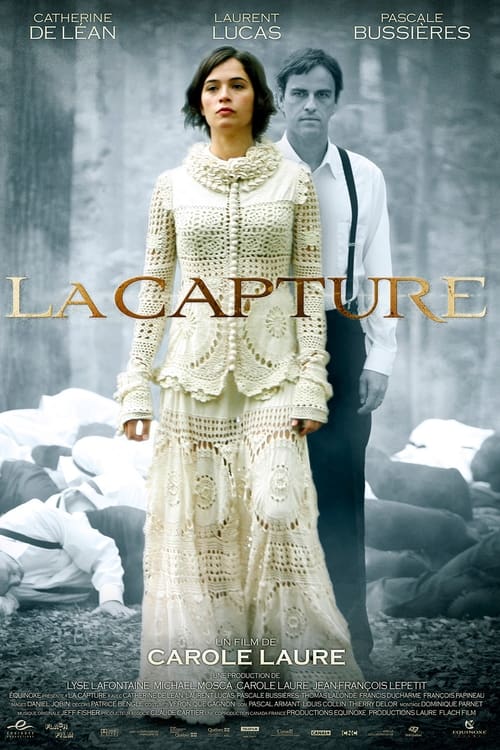
The film, titled 'The Capture,' is a character-driven drama that emphasizes psychological realism. It shifts away from passive female roles and instead explores the internal resilience needed to overcome a traumatic childhood. Though the film does not explicitly include diverse representations of race or LGBTQ+ identities, it successfully challenges conventional views of the stable family structure by presenting a more complex and often oppressive domestic reality. Ultimately, the film provides a focused examination of female autonomy. It opts for a deep, nuanced look at how individual trauma shapes identity and survival over broader social representation.
Category Breakdown
The film follows a storyline where everyone is assumed to be straight and cisgender, with no mention of LGBTQ+ identities or non-cisgender identities. There is no explicit representation of diverse sexual orientations or gender identities.
The movie focuses on Rose, a female character who navigates her inner world. It highlights her strength and resilience in the face of violence from her father.
The provided details do not specify the racial or ethnic composition of the cast. Consequently, no assessment can be made regarding ethnic diversity or casting.
The story questions traditional family structures by showing domestic violence. It delves into the complexities of personal history and subjective morality rather than relying on institutional stability.
The film examines the psychological impact of trauma, focusing on Rose's haunting past. It highlights the invisible mental health struggles without mentioning any physical disabilities.
Present on Screen
Limited or Absent
Official Synopsis
Rose hardly ever tells lies. She has a natural elegance and sincerity that few 20-year-old girls possess. However, neither her friends nor her boyfriend know about her difficult past. She’s managed to hide it well, even though she is still haunted by her father’s violence.
2009

2011

2017

2015

1979
2012

2005

2012
No reviews yet. Be the first to share your thoughts on this movie!
Use the rating form above to leave a star rating and optional review.