
La vita possibile
2016
No user ratings available yet
Representation score: 7.2 out of 10
Representation Score
Good
2015
Director
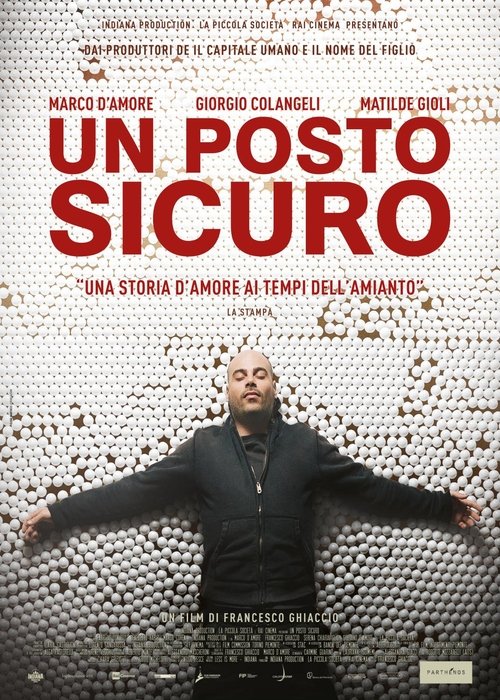
Francesco Ghiaccio
Runtime
0 minutes
Average Rating
No ratings yetNew Showbiz Analysis
Un posto sicuro is a work of social realism that prioritizes a critique of industrial capitalism over broad demographic representation. It uses the Eternit asbestos scandal to explore systemic failures and the vulnerability of the working class. The film excels in its realistic and empathetic portrayal of physical vulnerability and systemic victimhood. It critiques corporate power through a localized, historical lens. However, the film lacks significant LGBTQ+ and racial diversity. The narrative remains centered on a specific, homogeneous socio-historical context, limiting its broader demographic representation.
Category Breakdown
The story focuses on heterosexual relationships and does not include characters with LGBTQ+ identities or narratives that question traditional heterosexual relationships.
The film explores masculinity through vulnerability and physical decline. Female characters primarily support male emotional growth but are not reduced to stereotypes due to their focus on emotional labor.
The setting reflects a predominantly homogeneous Italian community. The casting accurately represents the specific demographic reality of the industrial region and era depicted.
The narrative sharply criticizes capitalist structures and corporate negligence. Large-scale industrial entities are portrayed as predators preying on individuals.
Eduardo’s asbestos-related illness is depicted realistically and with gravity. The film emphasizes the loss of bodily autonomy rather than using illness merely as a plot device.
Present on Screen
Limited or Absent
Official Synopsis
Casale Monferrato, 2011. The town is excited because of the impending verdict of the trial against Eternit, the factory which produced asbestos: the company's managers are in the dock, responding to the harmful effects which have been proved with thousand of deaths. One of the employees who got sick for asbestos is Eduardo: he has been working in the plant for a life and now he is gravely ill. He has little time to repair the relationship with his son Luca, ruined during the past years. And Luca, also thanks to the love for his girlfriend Raffaella, is ready to reconcile.
2016

2011

2020

2015

2021
2012

2017

2019
No reviews yet. Be the first to share your thoughts on this movie!
Use the rating form above to leave a star rating and optional review.