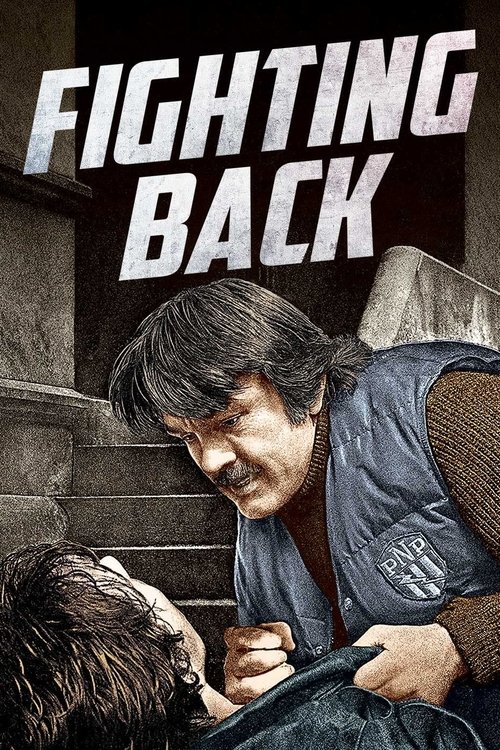
Fighting Back
1982
No user ratings available yet
Representation score: 2.7 out of 10

Representation Score
Limited
1984
RDirector
Victor M. Ordonez, Ed Palmos, Al Valletta
Runtime
83 minutes
Average Rating
No ratings yetNew Showbiz Analysis
Alley Cat is a genre-driven exploitation film that finds its most progressive footing in its gender dynamics. By centering a female protagonist with significant combat expertise, the film challenges the passivity typically assigned to women in 1980s action cinema. However, the film lacks broader diversity and complexity. It relies heavily on traditional revenge clichés and individualist justice, failing to engage with systemic social critiques or diverse casting. The narrative remains largely anchored in standard genre archetypes.
Category Breakdown
The film does not include any LGBTQ+ characters or non-cisgender identities. It centers on traditional family relationships.
Billie challenges the 'damsel in distress' stereotype by being a highly skilled black-belt karate expert. She demonstrates superior physical abilities compared to the male antagonists.
The protagonist's martial arts skills suggest potential non-Anglo-Saxon representation through genre clichés. However, there is no clear indication of a non-white majority cast.
The story focuses on personal revenge rather than broader social critiques. It adheres to a traditional morality of personal vengeance within a typical crime framework.
There is no evidence of characters with visible or invisible disabilities. Disability is not used as a narrative device in this production.
Present on Screen
Limited or Absent
Official Synopsis
After her grandparents are savagely attacked, Billie uses her knowledge of martial arts to begin dishing out her own brand of vigilante justice.
1982
1983
1985
1973
1986

2014

1973
1974
No reviews yet. Be the first to share your thoughts on this movie!
Use the rating form above to leave a star rating and optional review.