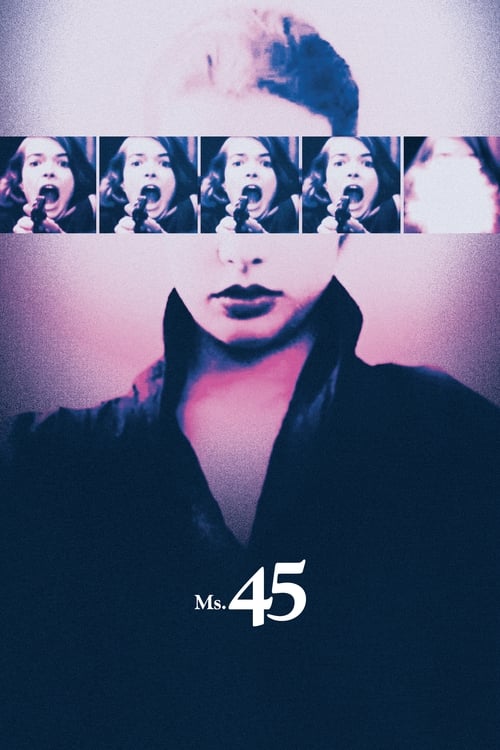
Ms .45
1981
No user ratings available yet
Representation score: 7.0 out of 10
Representation Score
Fair
1973
NRDirector
Bo Arne Vibenius
Runtime
108 minutes
Average Rating
No ratings yetNew Showbiz Analysis
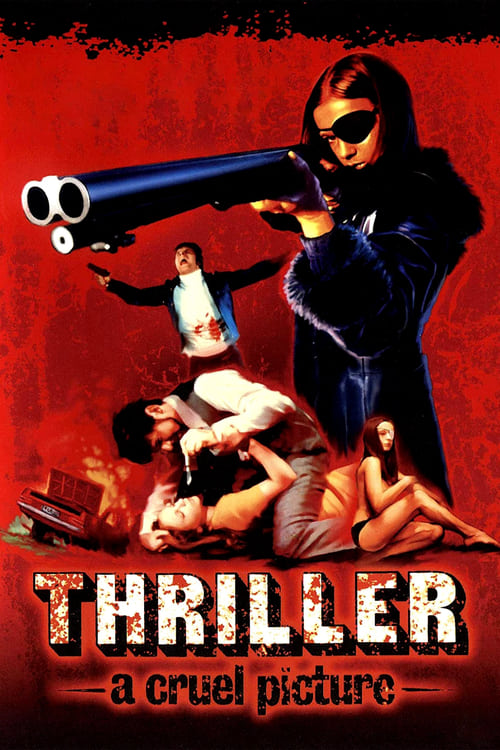
Thriller: A Cruel Picture explores themes of trauma and retribution through a subversive lens. By transforming a victimized woman into a powerful avenger, the film challenges traditional gender hierarchies. Its strength lies in its critique of societal institutions, depicting religious and class authorities as oppressive forces. However, the film lacks racial and LGBTQ+ diversity, reflecting the homogeneous demographics of its 19th-century Swedish setting. The protagonist's disability is portrayed with ability to act, but the film remains narrowly focused on a specific historical context.
Category Breakdown
The film does not include any LGBTQ+ characters or non-straight relationships. The story focuses solely on traditional gender roles and power dynamics.
The film challenges traditional gender roles by highlighting the female protagonist's active role in driving the plot. Instead of being a passive victim, she uses violence to reclaim her power.
Set in 19th-century Sweden, the film's cast is entirely white/European, with no evidence of ethnic diversity.
The film critically examines religious and class-based authority, presenting these figures as sources of systemic harm and oppression.
The protagonist's status as a mute character is central to her identity. She uses her condition to navigate and survive, rather than just as a plot device.
Present on Screen
Limited or Absent
Official Synopsis
Madeleine, rendered mute after being sexually assaulted as a youth, accepts a lift from a wealthy and sadistic pimp who soon enslaves her into his prostitution racket. Despite her limited means, Madeleine embarks on a bloody road to revenge against her captors.
1981
1972
1978
1978
1993

1973
1992
1974
No reviews yet. Be the first to share your thoughts on this movie!
Use the rating form above to leave a star rating and optional review.