The Happy Film
2017
No user ratings available yet
Representation score: 7.1 out of 10

Representation Score
Excellent
2012
NRDirector
Roko Belic
Runtime
75 minutes
Average Rating
No ratings yetNew Showbiz Analysis
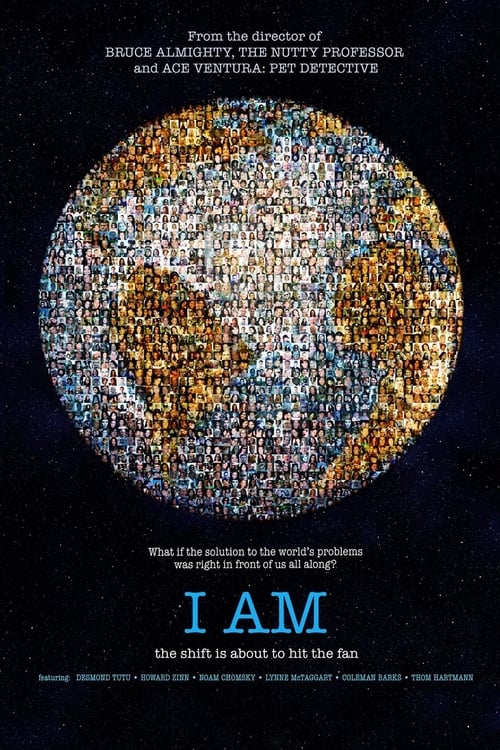
Happy dismantles the Western-centric view by presenting a global tapestry of human experiences. It prioritizes voices from Bhutan to India, proving that happiness is not tied solely to economic measures. While the film excels in cultural and racial breadth, it remains neutral on specific identity politics. It lacks a focused approach to LGBTQ+ narratives or direct gender subversion, favoring a broad sociological lens. Ultimately, the documentary's strength lies in its ability to treat diverse human experiences as essential data points in a universal study of well-being.
Category Breakdown
The film does not center LGBTQ+ narratives or provide specific critiques of straight relationships. It maintains a neutral stance towards these identities.
Women are shown who play a significant role in driving the story in both professional and domestic roles, while men are also represented. The film avoids traditional domestic clichés and highlights women's sociological importance.
The documentary centers voices from countries like Costa Rica, Bhutan, Iceland, and India, disrupting Western-centric perspectives. It includes diverse ethnic groups as foundational to its message, avoiding shallowly inclusive representation.
The film contrasts US material wealth with social cohesion in developing nations, emphasizing communal connection over individual consumerism. It critiques Western capitalist structures effectively.
The film explores resilience through stories of individuals like a woman who survived a traumatic accident. It treats her experience as a serious psychological study, avoiding inspirational clichés.
Present on Screen
Limited or Absent
Official Synopsis
Happy is a 2011 feature documentary film directed, written, and co-produced by Roko Belic. It explores human happiness through interviews with people from all walks of life in 14 different countries, weaving in the newest findings of positive psychology. Director Roko Belic was originally inspired to create the film after producer/director Tom Shadyac (Liar, Liar, Patch Adams, Bruce Almighty) showed him an article in the New York Times entitled "A New Measure of Well Being From a Happy Little Kingdom". The article ranks the United States as the 23rd happiest country in the world. Shadyac then suggested that Belic make a documentary about happiness. Belic spent several years interviewing over 20 people, ranging from leading happiness researchers to a rickshaw driver in Kolkatta, a family living in a "co-housing community" in Denmark, a woman who was run over by a truck, a Cajun fisherman, and more.
2017
1961
2010
1978
2024
2010
2010
2016
No reviews yet. Be the first to share your thoughts on this movie!
Use the rating form above to leave a star rating and optional review.