The Divide
2015
No user ratings available yet
Diversity score: 6.5 out of 10
2012
Director
Andreas Dalsgaard
Runtime
83 minutes
Average Rating
No ratings yetSynopsis
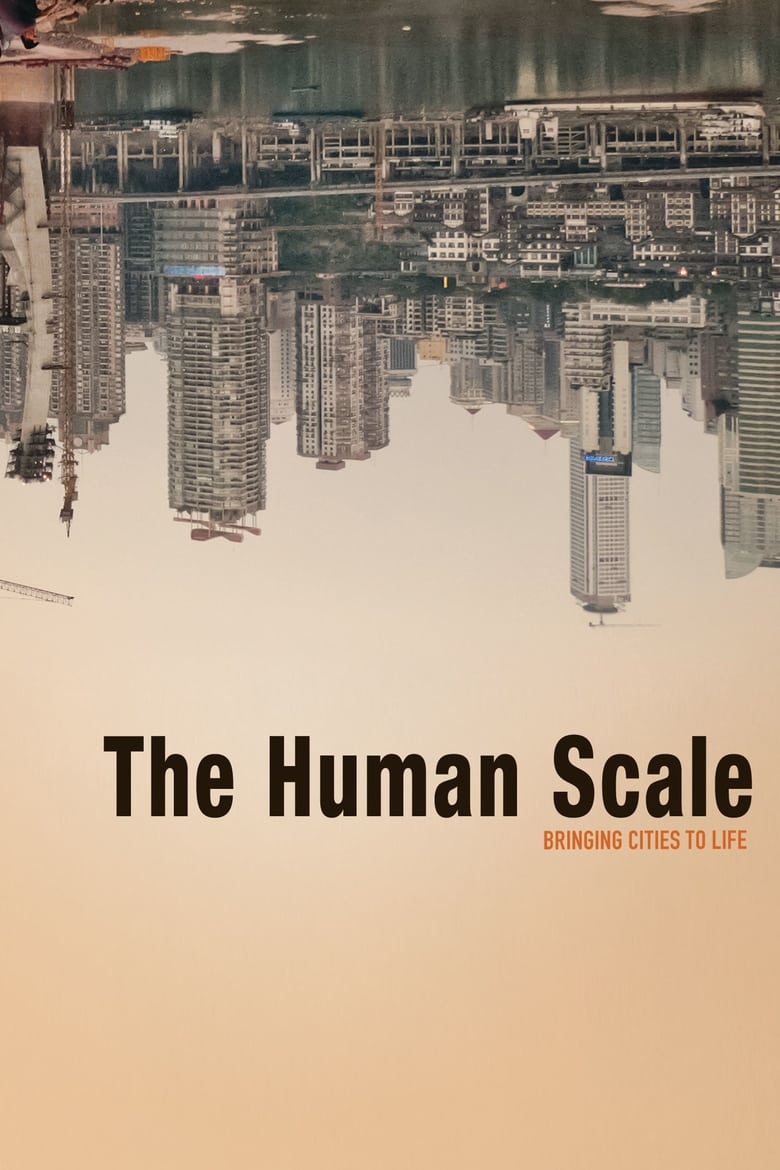
50 % of the world’s population lives in urban areas. By 2050 this will increase to 80%. Life in a mega city is both enchanting and problematic. Today we face peak oil, climate change, loneliness and severe health issues due to our way of life. But why? The Danish architect and professor Jan Gehl has studied human behavior in cities through 40 years. He has documented how modern cities repel human interaction, and argues that we can build cities in a way, which takes human needs for inclusion and intimacy into account.
Overall Score
Good
Category Breakdown
LGBTQ+ Representation
The film lacks explicit queer narratives or centered LGBTQ+ identities. However, its critique of rigid, car-centric urban planning implicitly advocates for inclusive spaces that allow for diverse social expressions.
Gender Representation
The documentary disrupts masculine archetypes of urban planning defined by dominance and industrial efficiency. It instead prioritizes intimacy and social cohesion through human-scale design.
Racial & Ethnic Diversity
By utilizing a globalized lens, the film contrasts Western-centric planning with localized environments. This approach provides a necessary counter-narrative to Anglo-centric urban development models.
Religious & Cultural Diversity
The film critiques capitalist-driven urbanism that fosters loneliness and atomization. It promotes a collectivist, human-centric approach to living through walkable, communal spaces.
Disability Representation
The emphasis on walkability and social inclusion serves as a subtle endorsement of universal design. The critique of high-rise, car-centric environments addresses systemic barriers to accessibility.
Strengths
Areas for Improvement
AI Analysis
The Human Scale functions as a systemic critique of the built environment rather than a character-driven study. It deconstructs the standardized Western city as a tool of social isolation, proposing models of intimacy and inclusion instead. The film's strength lies in its ability to challenge traditional urban hierarchies. By prioritizing the needs of the collective over industrial efficiency, it offers a progressive framework for how environments dictate human behavior. While the documentary lacks overt identity politics, its narrative architecture is deeply sociological. It moves away from traditional protagonist tropes to examine how modern cities can either repel or facilitate human interaction.
2015
2014
2015
2012

2015

2000

2008

2011
2012
2010
2011
2015
No reviews yet. Be the first to share your thoughts on this movie!
Use the rating form above to leave a star rating and optional review.