Walk with Me
2017
No user ratings available yet
Representation score: 8.2 out of 10
Representation Score
Excellent
2010
TV-GDirector
David Grubin
Runtime
120 minutes
Average Rating
No ratings yetNew Showbiz Analysis
The film provides a sophisticated, globalized perspective that successfully disrupts Western-centric viewpoints. It excels by presenting a non-Western philosophical framework as a complex alternative to traditional materialist structures. The documentary's strength lies in its international array of practitioners and its historical documentation of women's roles in monastic traditions. This approach creates a nuanced, cross-cultural tapestry of spiritual practice. However, the film lacks explicit focus on specific identity-based narratives, such as LGBTQ+ identities or visible disabilities. While its themes of non-attachment are progressive, these specific representations remain secondary to the core philosophical narrative.
Category Breakdown
The film focuses on historical and philosophical ideas rather than explicit LGBTQ+ identities. While it doesn't include non-assuming gender matches what was assigned at birth romantic arcs, its exploration of non-attachment challenges traditional heterosexual norms.
The narrative highlights the Buddha’s decision to establish the order of nuns, showcasing women's ability to drive the story within monastic traditions. Contemporary female voices in Buddhist practice reinforce this challenge to gender hierarchies.
A globalized perspective is achieved through a cast of scholars and monks from diverse Asian and Western backgrounds. The film avoids a Western-centric lens by showcasing Buddhist art across multiple continents.
The documentary presents a sophisticated, non-Western ethical model centered on compassion and interconnectedness. It prioritizes spiritual insight and mindfulness over traditional Western materialist values and capitalist frameworks.
The film does not explicitly center on characters with disabilities. However, the focus on mindfulness and the nature of suffering offers an indirect engagement with mental health and diverse cognitive experiences.
Present on Screen
Limited or Absent
Official Synopsis
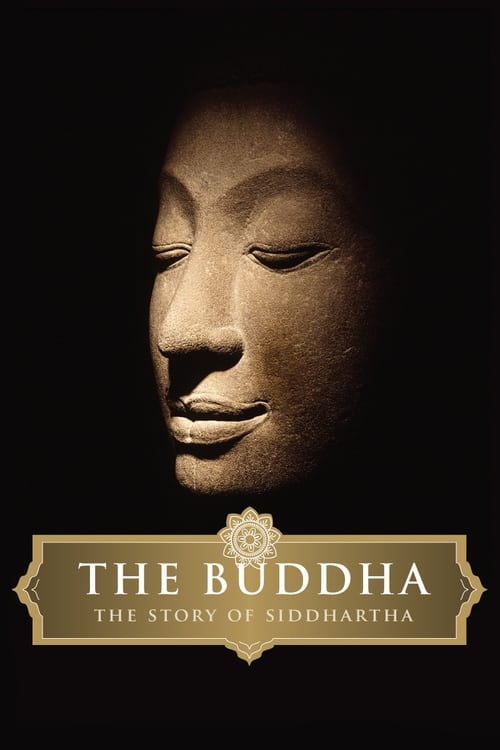
This documentary for PBS by award-winning filmmaker David Grubin and narrated by Richard Gere, tells the story of the Buddha’s life, a journey especially relevant to our own bewildering times of violent change and spiritual confusion. It features the work of some of the world’s greatest artists and sculptors, who across two millennia, have depicted the Buddha’s life in art rich in beauty and complexity. Hear insights into the ancient narrative by contemporary Buddhists, including Pulitzer Prize winning poet W.S. Merwin and His Holiness the Dalai Lama. Join the conversation and learn more about meditation, the history of Buddhism, and how to incorporate the Buddha’s teachings on compassion and mindfulness into daily life.
2017
2016

2014
2018

2019
2014
2007

2015
No reviews yet. Be the first to share your thoughts on this movie!
Use the rating form above to leave a star rating and optional review.