
A Summer Story
1988
No user ratings available yet
Diversity score: 2.9 out of 10
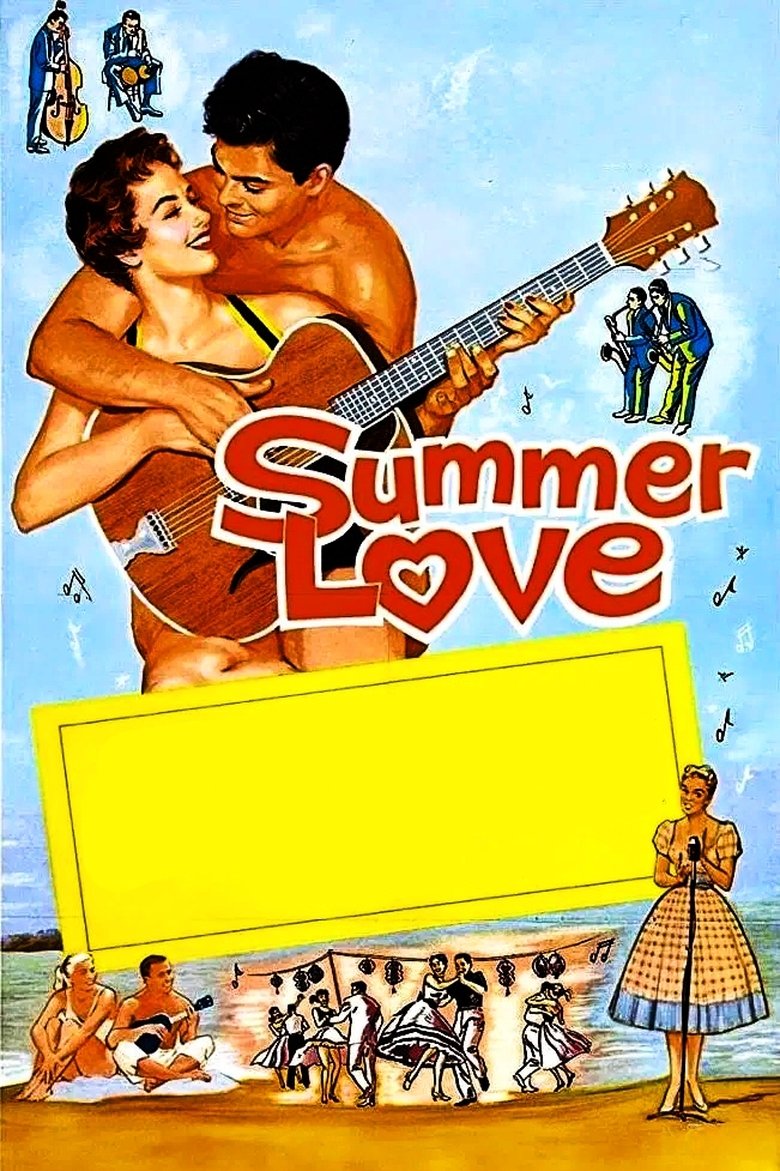
1958
ApprovedDirector
Charles F. Haas
Runtime
85 minutes
Average Rating
No ratings yetSynopsis
A neighborhood rock band gets a job playing at a summer camp.
Overall Score
Limited
Category Breakdown
LGBTQ+ Representation
The film follows a traditional romantic trajectory typical of 1958. There is no evidence of non-cisnormative identities or critiques of heteronormativity.
Gender Representation
Female characters likely serve as romantic interests or supporting roles. The film lacks documented subversion of gender hierarchies or non-traditional masculinity.
Racial & Ethnic Diversity
The setting suggests the demographic homogeneity common in mid-century American suburban life. No high-agency characters of color are indicated.
Religious & Cultural Diversity
The narrative reinforces mid-century social stability and traditional morality. It focuses on Western themes of youth, music, and seasonal romance.
Disability Representation
There is no verifiable evidence regarding the inclusion or portrayal of characters with visible or invisible disabilities.
Strengths
Areas for Improvement
AI Analysis
Summer Love is a product of its temporal context, functioning within the traditional social and narrative hierarchies of the late 1950s. The film prioritizes conventional romantic and social tropes over progressive representation. The narrative architecture revolves around a youth-centric musical group in a seasonal setting. This structure aligns with the era's emphasis on communal cohesion and standard social norms. Because the film adheres to mid-century cinematic frameworks, it lacks documented intersectional agency or systemic disruption.
1988
1967

1972
1962
1975

1972
1965

2008
1987
1969
1960

1975
No reviews yet. Be the first to share your thoughts on this movie!
Use the rating form above to leave a star rating and optional review.