Find another title
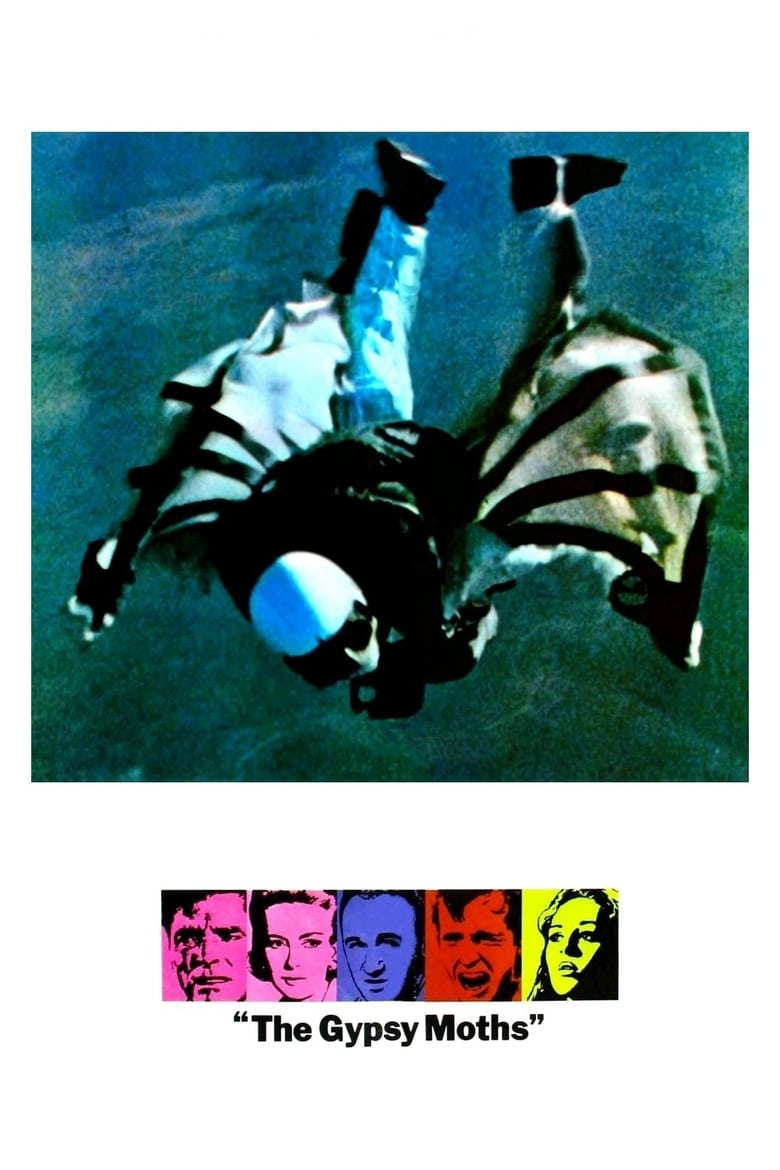
The Gypsy Moths
1969
RDirector
John Frankenheimer
Runtime
107 minutes
Average Rating
No ratings yetSynopsis
Three skydivers and their travelling thrill show barnstorm through a small midwestern town one Fourth of July weekend.
Where to Watch
Diversity & Representation
Overall Score
Limited
Category Breakdown
LGBTQ+ Representation
The film lacks any discernible presence of LGBTQ+ characters or non-cisnormative identities. Social dynamics focus entirely on heteronormative romantic tensions and traditional masculine bonding.
Gender Representation
The narrative reinforces traditional gender hierarchies where male-centric competition drives the plot. Female characters lack significant autonomy, functioning primarily within the orbit of the male protagonists.
Racial & Ethnic Diversity
The ensemble is predominantly white, reflecting the demographic homogeneity of mid-century American cinema. There is an absence of meaningful racial diversity or non-white characters.
Religious & Cultural Diversity
The film depicts a nomadic, counter-cultural lifestyle that exists in friction with mainstream society. It explores moral relativism through characters who operate outside conventional law and authority.
Disability Representation
There are no visible or invisible disabilities portrayed with agency. Characters are defined by physical prowess and high-risk activities, leaving no room for neurodivergent or physical impairment representation.
Strengths
- Depicts a counter-cultural, nomadic lifestyle that challenges mainstream societal norms.
- Explores themes of moral relativism and personal codes of conduct over institutional mandates.
Areas for Improvement
- Lacks racial diversity, featuring a predominantly white ensemble.
- Reinforces traditional gender hierarchies with limited female autonomy.
- Provides no representation for LGBTQ+ identities or individuals with disabilities.
AI Analysis
The film is a product of its era, characterized by a lack of intersectional complexity. While it captures the counter-cultural spirit of the late 1960s through its depiction of transient, anti-social lifestyles, it remains structurally traditional in its casting and gender dynamics. The narrative provides a mild critique of settled social structures by centering a group that operates outside conventional law. However, this thematic tension is not supported by a broader framework of identity-based or systemic representation. Ultimately, the film functions more as a character study of restlessness than a formal manifesto for social change, remaining tethered to the demographic and social norms of its time.
Rate this Movie
Reviews
No reviews yet. Be the first to share your thoughts on this movie!
Use the rating form above to leave a star rating and optional review.