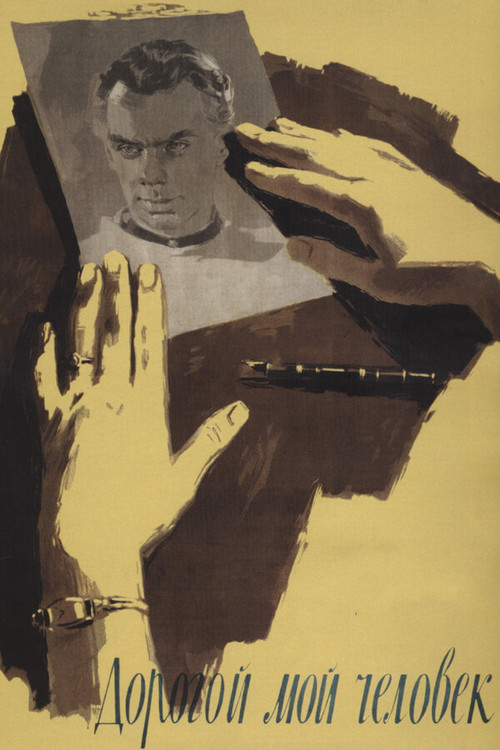
My Dear Fellow
1958
No user ratings available yet
Diversity score: 3.1 out of 10
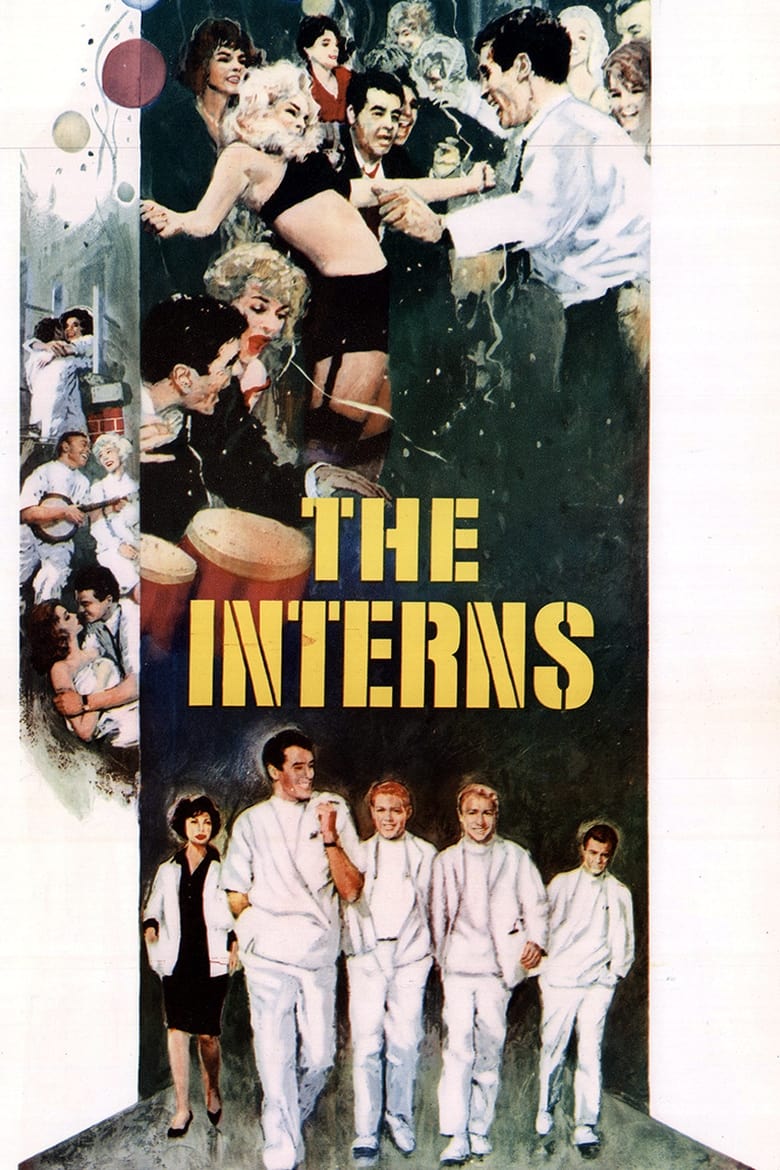
1962
NRDirector
David Swift
Runtime
120 minutes
Average Rating
No ratings yetSynopsis
During their first year of internship at New North Hospital, a group of aspiring doctors undergo both personal and professional upheavals.
Overall Score
Limited
Category Breakdown
LGBTQ+ Representation
The film adheres to the heteronormative structures of 1960s cinema. It focuses on conventional romantic entanglements between interns and their counterparts, with no evidence of same-sex intimacy.
Gender Representation
Female characters navigate complex moral dilemmas, such as Lisa Cardigan's unplanned pregnancy. However, professional drive remains anchored in male protagonists, with female arcs often defined by reproductive circumstances.
Racial & Ethnic Diversity
A public city hospital provides a backdrop of diverse ethnic and socioeconomic groups. Despite this setting, the primary character arcs center on a relatively homogeneous group of interns.
Religious & Cultural Diversity
The film challenges singular Christian morality by portraying transgressive behaviors like out-of-wedlock pregnancy. It remains rooted in Western institutional frameworks without critiquing them as oppressive.
Disability Representation
There is no significant evidence regarding the portrayal of characters with physical or neurodivergent disabilities. While illness is implied by the medical setting, no specific disability-centered arcs exist.
Strengths
Areas for Improvement
AI Analysis
The film serves as a transitional mid-century drama that moves away from purely idealized morality. It introduces characters navigating non-traditional social situations, such as reproductive crises, which adds a layer of complexity to the era's typical storytelling. However, the narrative remains tethered to traditional social hierarchies. Diversity is largely contextual, provided by the hospital setting, rather than being a central driver of character identity or agency. Ultimately, the professional and social structures of the film reflect the standard Western institutional norms of the early 1960s.
1958
1960
1958

1972

1956
1965

1974

1960
No reviews yet. Be the first to share your thoughts on this movie!
Use the rating form above to leave a star rating and optional review.