
The Invisible Collection
2013
No user ratings available yet
Representation score: 3.4 out of 10
Representation Score
Fair
2013
Director
Paulo Rocha
Runtime
100 minutes
Average Rating
No ratings yetNew Showbiz Analysis
Paulo Rocha’s film uses a dual-narrative structure to show history as a subjective experience rather than a fixed set of facts. By combining a 1920s period drama with a meta-cinematic exploration of the director's legacy, the film challenges linear historical storytelling. The film successfully gives women significant roles in managing the household, moving beyond traditional patriarchal hierarchies. It also uses the protagonist's migration to explore the fluidity of identity and the impact of broader societal changes like epidemics. While the film offers a sophisticated examination of memory and loss, it remains limited in its explicit representation of specific underrepresented groups, such as LGBTQ+ or disabled characters.
Category Breakdown
The film does not explicitly depict LGBTQ+ identities or relationships that go beyond the assumption that everyone is straight. However, the meta-narrative might offer more nuanced explorations of identity.
The film challenges traditional roles by placing the management of the household during Vitalino's absence in the hands of his sisters. Their active role in running the home defies the stereotype of women as passive observers.
By focusing on the movement between Portugal and Brazil, the film explores post-colonial connections and cultural landscapes. It uses a small farmer's perspective to examine regional identity and class issues.
The film questions traditional rural stability through the lens of individual aspirations and epidemic-driven migration. The meta-cinematic approach emphasizes personal, artistic truth over a single historical narrative.
There is no evidence regarding the depiction of physical or neurodivergent disabilities within the work.
Present on Screen
Limited or Absent
Official Synopsis
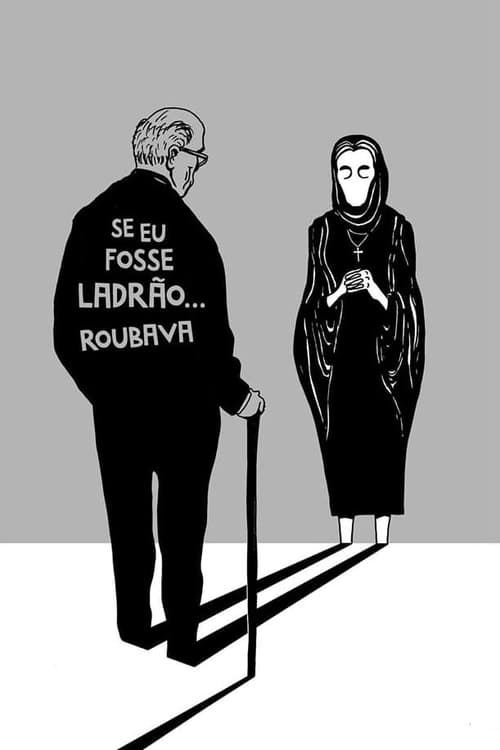
1920s. Vitalino, a small farmer from São Vicente sees his father die of the epidemic which decimated the country. Some years later, of all the brothers, Vitalino is the strongest and takes his father’s place in the house. But the village is too small for his aspirations and he decides to head to Brazil, leaving his sisters in charge of the household. In parallel with Vitalino’s story, If I Were a Thief… I’d Steal portrays the world of Paulo Rocha rummaging through his films and ghosts over the years.
2013
1963
2005
1957
1953

2018
1963

1977
No reviews yet. Be the first to share your thoughts on this movie!
Use the rating form above to leave a star rating and optional review.