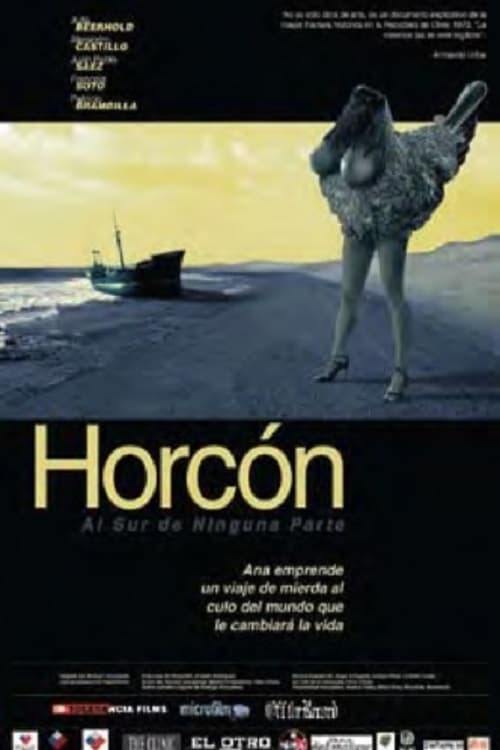
Horcón, al sur de ninguna parte
2005
No user ratings available yet
Representation score: 5.3 out of 10
Representation Score
Fair
2005
Director
Marcelo Gomes
Runtime
99 minutes
Average Rating
No ratings yetNew Showbiz Analysis
Marcelo Gomes delivers a character-driven study of displacement that avoids grandiosity in favor of social realism. The film succeeds by centering characters on the periphery of economic systems, offering a high level of cultural and ethnic authenticity. The strength of the work lies in its ability to frame survival as a morally nuanced experience. By focusing on the specific socio-economic realities of rural Brazil, it avoids a Western-normative gaze and challenges traditional historical drama structures. However, the film's narrow focus on a male-centric journey limits its exploration of gender diversity. While it challenges traditional masculine archetypes, the lack of women's ability to drive the story and explicit identity politics prevents a more comprehensive representation.
Category Breakdown
The film examines unconventional relationships between two men facing scarcity. While it challenges traditional social roles, the depiction of sexual identity remains subtle rather than explicitly focused on identity politics.
The narrative disrupts masculine hierarchies by stripping protagonists of control and forcing them into vulnerability. However, the male-centric road-movie framework limits the presence of women's ability to drive the story or broader gender subversion.
The film excels by centering non-Anglo-Saxon identities within the Northeastern Brazilian landscape. It provides a nuanced look at ethnic and class-based intersections through the lens of internal migration and regional realities.
The story offers a sophisticated critique of systemic structures and economic pressures during the drought. It portrays a movement away from established social orders toward a more fluid, precarious existence.
There is no significant evidence regarding the portrayal of visible or invisible disabilities within the narrative.
Present on Screen
Limited or Absent
Official Synopsis
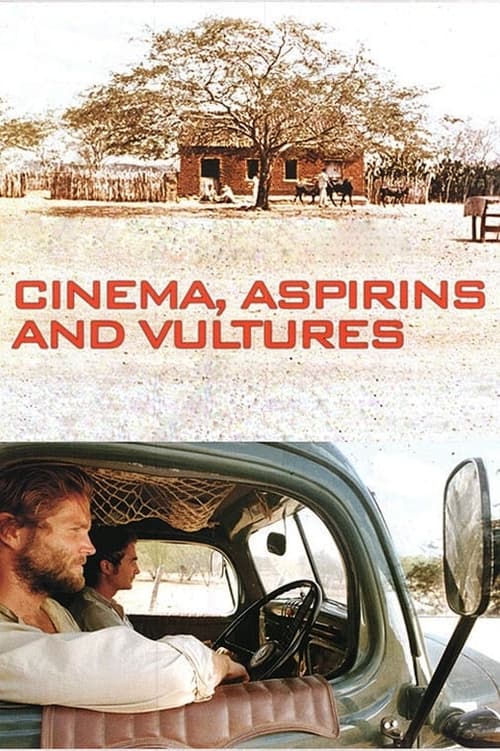
1942, in the middle of Northeastern Brazil, two very different men meet along the road: Johan, an aspirin salesman avoiding the German draft, and Ranulpho, a rural Brazilian seeking escape from the drought.
2005
1963
2003

2006
2013

2013

2012

1977
No reviews yet. Be the first to share your thoughts on this movie!
Use the rating form above to leave a star rating and optional review.