Camp Dog
1950
No user ratings available yet
Representation score: 0.3 out of 10
Representation Score
Minimal
1938
ApprovedDirector
Fred Kopietz
Runtime
7 minutes
Average Rating
No ratings yetNew Showbiz Analysis
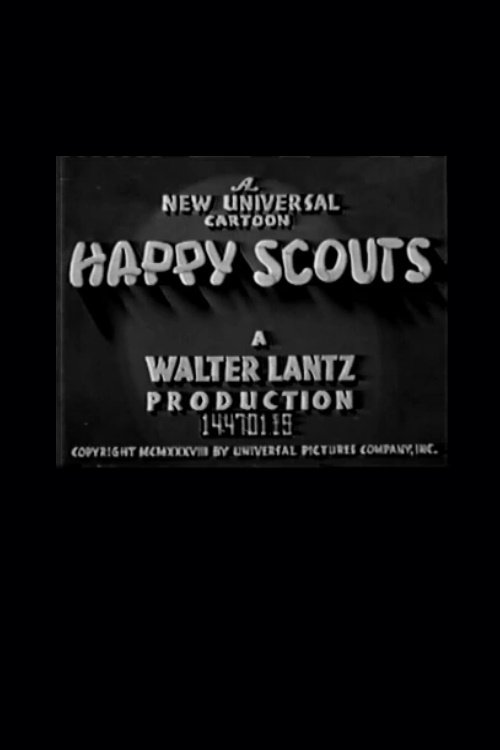
Happy Scouts is a traditional mid-century animation that relies on well-established social formulas. While it features a black duckling, the narrative uses him primarily for slapstick humor rather than exploring his identity. The film's structure reinforces traditional hierarchies, particularly through the male-coded leadership of Scoutmaster Oswald and the promotion of scouting values. This focus on institutional discipline and masculine authority limits the film's exploration of diverse identities. Ultimately, Happy Scouts reflects the social norms of its time, providing a simplistic representation without any significant subversion of the era's standard social or gendered structures.
Category Breakdown
The film does not include any characters with non-binary gender identities or same-sex relationships. It follows a typical scouting adventure storyline.
The story focuses on male-coded characters such as Scoutmaster Oswald and his troop. It upholds traditional masculine leadership roles without challenging gender hierarchies.
A black duckling is a central character, but his role is limited to slapstick conflicts and he has little control over his own story.
The film promotes Western institutional values through the scouting movement, emphasizing hierarchy and discipline without questioning these structures.
No characters with visible or invisible disabilities are shown. The narrative does not address neurodivergence or sensory impairments.
Present on Screen
Limited or Absent
Official Synopsis
Scoutmaster Oswald (the Rabbit) takes his troop of Duck Scouts on a camping trip. The youngest member, a black duckling, gets into trouble with a mischievous beaver, who keeps putting out the camp fire the little black duckling is trying to light. The little black duckling chases the beaver into the water and encounters an alligator, who is pleased to see that his dinner has arrived. The little black ducking finally gets safely to shore as Oswald comes to his rescue by feeding the alligator a mechanical duck---standard issue in all scout packs back-packs---that ruins the alligators digestion as it starts to unwind inside him.
1950
1945
1938
1944
1925
1954
1935
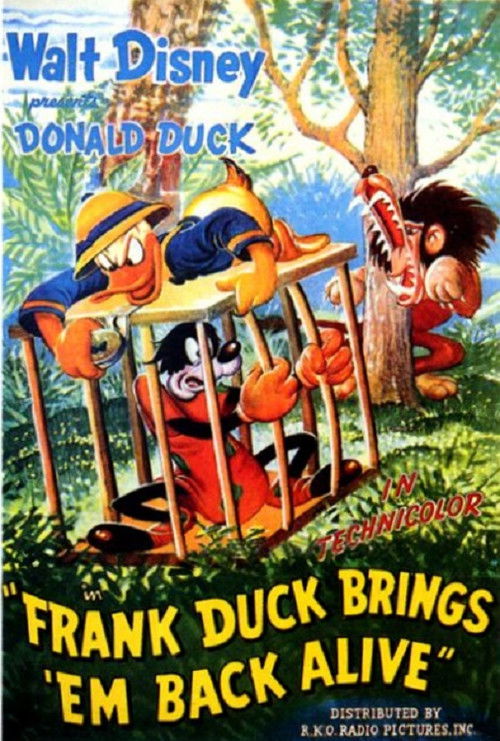
1946
No reviews yet. Be the first to share your thoughts on this movie!
Use the rating form above to leave a star rating and optional review.