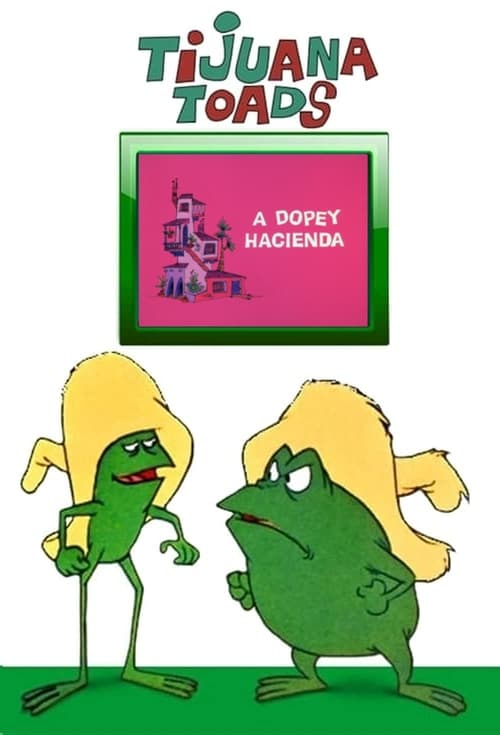
A Dopey Hacienda
1970
No user ratings available yet
Representation score: 1.4 out of 10
No Poster Available
Representation Score
Minimal
1971
GDirector
Arthur Davis
Runtime
6 minutes
Average Rating
No ratings yetNew Showbiz Analysis
Mud Squad operates as a conventional animated fable centered around a predator-prey relationship. The narrative follows a traditional cause-and-effect structure where a single impulsive act leads to immediate natural consequences. The film relies on established nature clichés rather than exploring diverse identities or challenging traditional hierarchies. Since the characters are animals, the social commentary remains limited to basic morality tales. Ultimately, the work lacks the complexity needed to engage with progressive representation, focusing instead on a localized conflict within a pond setting.
Category Breakdown
The film does not include any characters with LGBTQ+ identities or same-sex relationships. There is no queer representation in the narrative.
The characters adhere to traditional gender roles, such as a provider and a protective mother. The story does not challenge traditional gender hierarchies.
The 'Tijuana Toads' label suggests a specific cultural context, but it is unclear if this is meaningful or merely superficial. The lack of complex social dynamics limits the depth of the story.
The plot functions as a typical fable about nature and instinct. It does not engage with secularist, anti-Western, or anti-capitalist themes.
There are no characters with visible or invisible disabilities in the story. The film does not represent neurodivergent individuals either.
Present on Screen
Limited or Absent
Official Synopsis
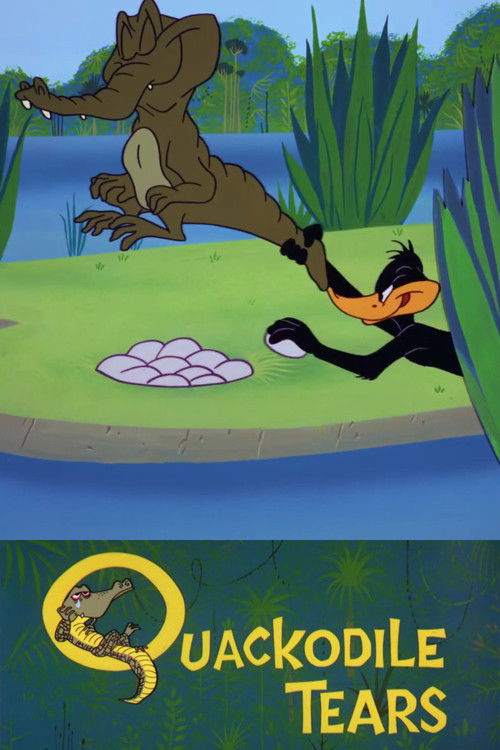
All is peaceful on the pond till Toro sends Pancho out to bring back lunch. Pancho finds some alligator eggs, and he brings just one back. Our Tijuana Toads heroes' choice backfires when an angry mother comes looking for the egg. By then, little Georgie is hatched. Georgie has a great appetite, and he will eat anything in sight... especially frogs. Georgie's mother helps him with his lunch.
1970
1962
1971
1973
1969
1948
1936
1971
No reviews yet. Be the first to share your thoughts on this movie!
Use the rating form above to leave a star rating and optional review.