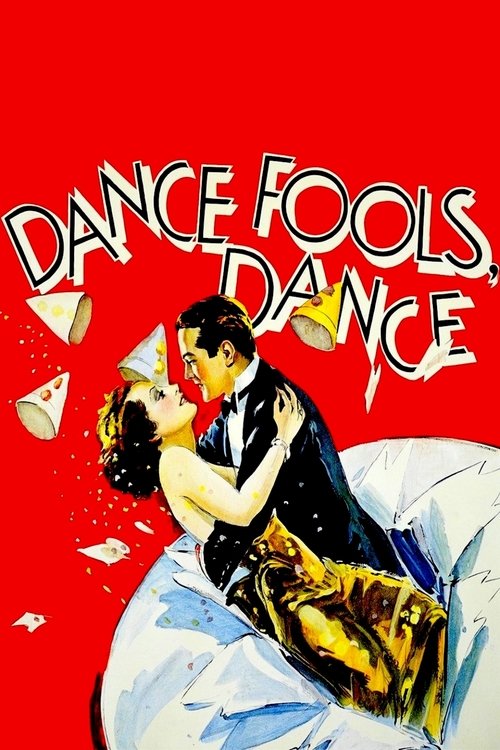
Dance, Fools, Dance
1931
No user ratings available yet
Representation score: 2.6 out of 10
Representation Score
Limited
1932
PassedDirector
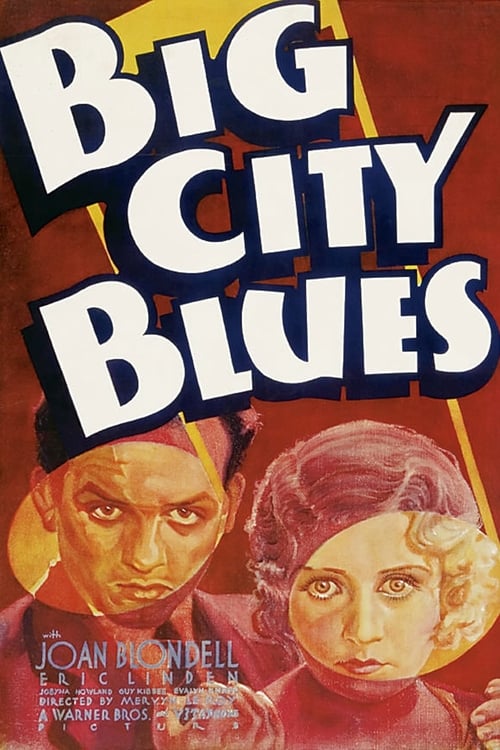
Mervyn LeRoy
Runtime
63 minutes
Average Rating
No ratings yetNew Showbiz Analysis
Big City Blues is a typical 1930s studio film that emphasizes class mobility over identity issues. The story revolves around an Indiana man dealing with sudden wealth and legal troubles in New York City. The film relies on traditional character types, highlighting the contrast between rural simplicity and urban complexity. It lacks depth in addressing gender, race, or sexuality issues, sticking to the era's standard casting and social structures. While the film delves into the social dynamics of class mobility and the moral complexities of urban life, it does not challenge the status quo regarding gender, race, or sexuality.
Category Breakdown
The film does not include any non-straight or non-cisgender identities. The romantic storyline focuses on a central male character and his girlfriend.
A female character appears as the male protagonist's girlfriend, but her role is secondary. The story mainly follows the male character's actions and decisions.
The film does not show any ethnic or racial diversity. It focuses on the differences between rural Indiana and urban New York.
The plot examines the clash between rural values and urban corruption. It serves as a cautionary tale about the pitfalls of capitalism and social climbing.
There are no characters with visible or invisible disabilities in the story.
Present on Screen
Limited or Absent
Official Synopsis
An Indiana boy comes into an inheritance and moves to New York City, living it up with his girlfriend until he gets in over his head and someone gets killed.
1931
1936
1947

1934
1937

1933
1934
1940
No reviews yet. Be the first to share your thoughts on this movie!
Use the rating form above to leave a star rating and optional review.