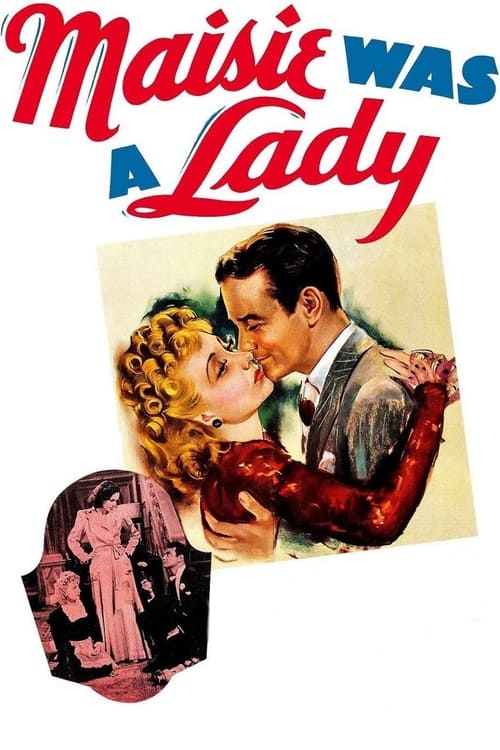
Maisie Was a Lady
1941
No user ratings available yet
Representation score: 2.0 out of 10
Representation Score
Limited
1944
ApprovedDirector
Felix E. Feist
Runtime
87 minutes
Average Rating
No ratings yetNew Showbiz Analysis
This 1944 romantic comedy-drama is a typical product of its time, relying heavily on conventional romantic misunderstandings and social navigation. While it features several professional women, they primarily serve to advance the central romantic conflicts. The narrative upholds, rather than challenges, the social and moral norms of the mid-20th century. The film does not intentionally address issues of race or non-cisgender identities, adhering to the homogeneous casting standards typical of the studio system during that period.
Category Breakdown
The film uses a misunderstanding about Major Jarret's personal life as a key plot point. Angela's mistake about Jarret having a fiancée serves as a turning point in the story rather than exploring his queer identity.
Several female characters, like Harriet and Sally McGuire, have professional roles. However, the story mainly revolves around the romantic pursuits and actions of the male leads.
The film follows the homogeneous casting practices of 1944. The setting and characters suggest a typical Western, Anglo-Saxon social environment.
The story operates within mid-20th century American values, focusing on inheritance and military service. Harriet's status as a divorced wife provides a minor deviation from strict moralism, but there is no deeper critique.
The film does not include any characters dealing with physical disabilities, neurodivergence, or chronic illnesses.
Present on Screen
Limited or Absent
Official Synopsis
18-year-old Angela, reared in a New England town by her Aunt Betsy, receives an inheritance which she uses to go to New York, ostensibly for voice training, but she is pursuing Major Hilary Jarret, an Army surgeon with whom she has become infatuated. Her departure depresses her childhood friend Jimmy Plum. Dr. Plum devises an errand on which to send his love-sick son to New York, where Jimmy discovers Angela thinks she is Jarret's fiancée. Jimmy also renews acquaintances with a group of show people, including Sally McGuire, who attempts to console him. Jimmy meets Jarret's divorced wife, Harriet, famed photographer. Jimmy engineers a meeting of Jarret and Harriet with Angela present, which forms the beginning of an understanding that Jarret is not for her. Jimmy is inducted into the Army.
1941
1942
1939
1944

1939
1936
1940

1934
No reviews yet. Be the first to share your thoughts on this movie!
Use the rating form above to leave a star rating and optional review.