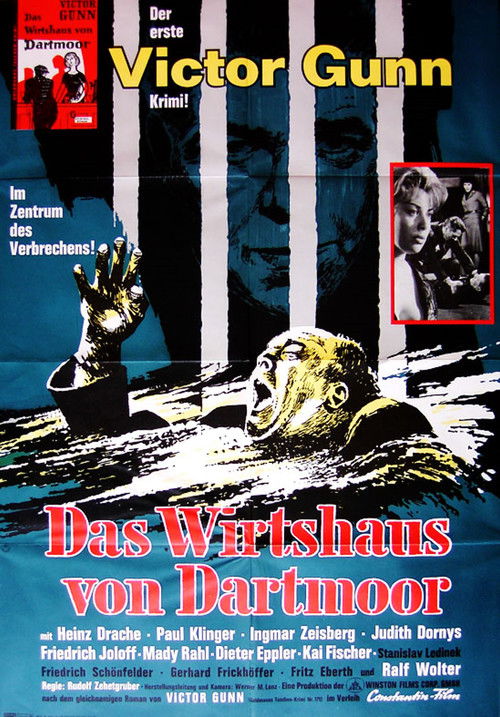
The Inn on Dartmoor
1964
No user ratings available yet
Representation score: 2.9 out of 10
Representation Score
Minimal
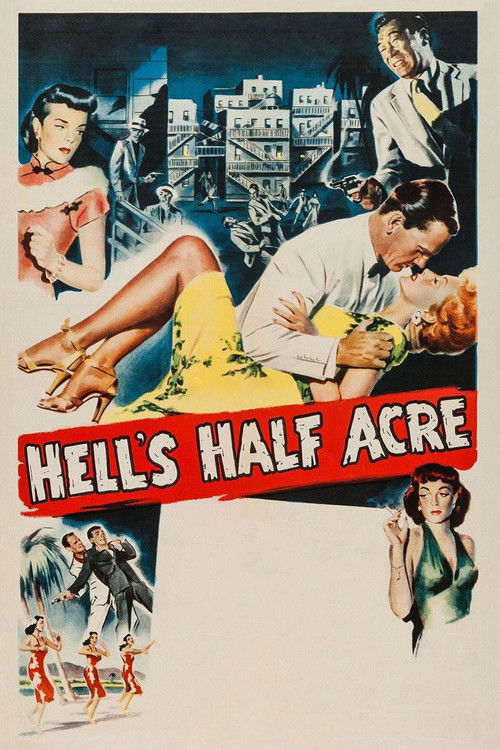
1954
ApprovedDirector
John H. Auer
Runtime
90 minutes
Average Rating
No ratings yetNew Showbiz Analysis
Hell's Half Acre is a conventional genre piece reflecting the social and demographic norms of 1950s American cinema. It prioritizes traditional social structures and storytelling over progressive representation. The film maintains strict hierarchies regarding gender and race, adhering to the homogeneous demographic norms of the time. It lacks the narrative complexity needed to challenge or subvert established cultural norms. Ultimately, the work upholds mid-century social hierarchies rather than offering diverse perspectives.
Category Breakdown
The film does not include any visible LGBTQ+ characters or explore non-straight identities. It operates within a framework that assumes everyone is heterosexual.
The main role is played by a male character, Randolph Scott. Although a woman starts the journey, the story focuses on the traditional male archetype of leadership and physical confrontation.
The film features a mostly white, Anglo-Saxon cast. There are no significant character arcs for people of color in the frontier setting.
The film emphasizes the establishment of law and order through traditional Western values. It reinforces these institutions without critique, focusing on stabilizing lawless territories.
The film does not depict any physical or neurodivergent disabilities prominently. Characters operate within the typical parameters of mid-century action heroes.
Present on Screen
Limited or Absent
Official Synopsis
A woman travels to Hawaii to find out if a man in prison there is actually her missing husband.
1964
1950
1945
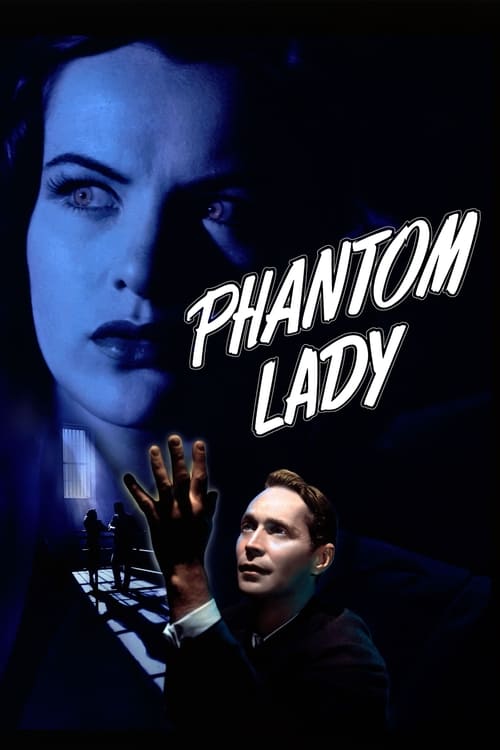
1944
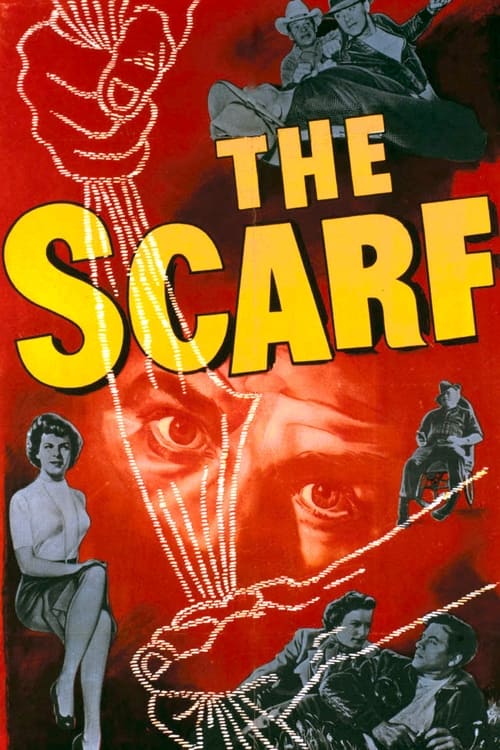
1951
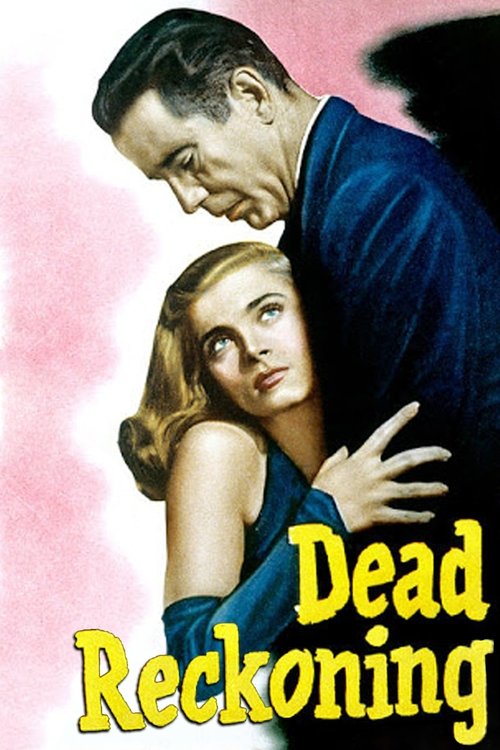
1946
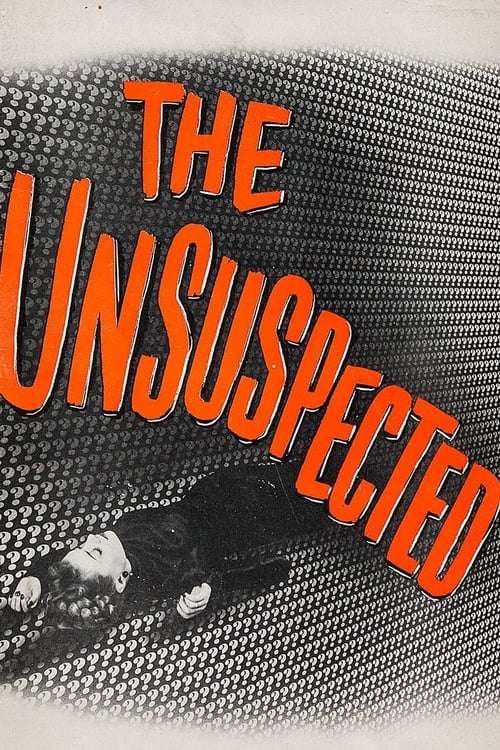
1947
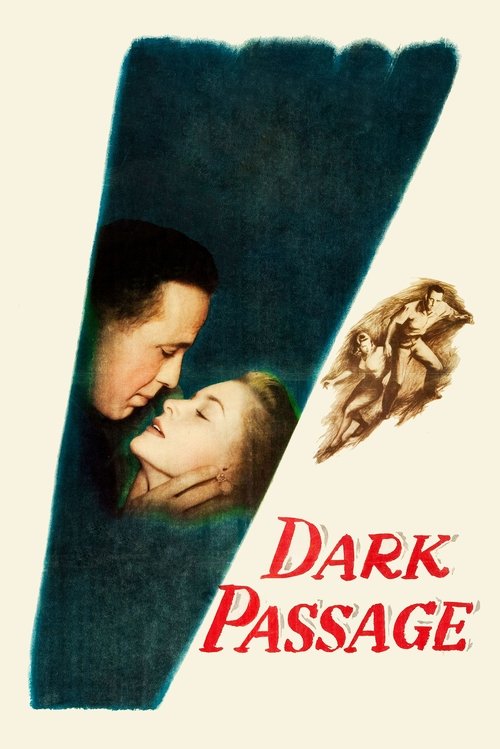
1947
No reviews yet. Be the first to share your thoughts on this movie!
Use the rating form above to leave a star rating and optional review.