
Maria Goretti
2003
No user ratings available yet
Diversity score: 1.9 out of 10
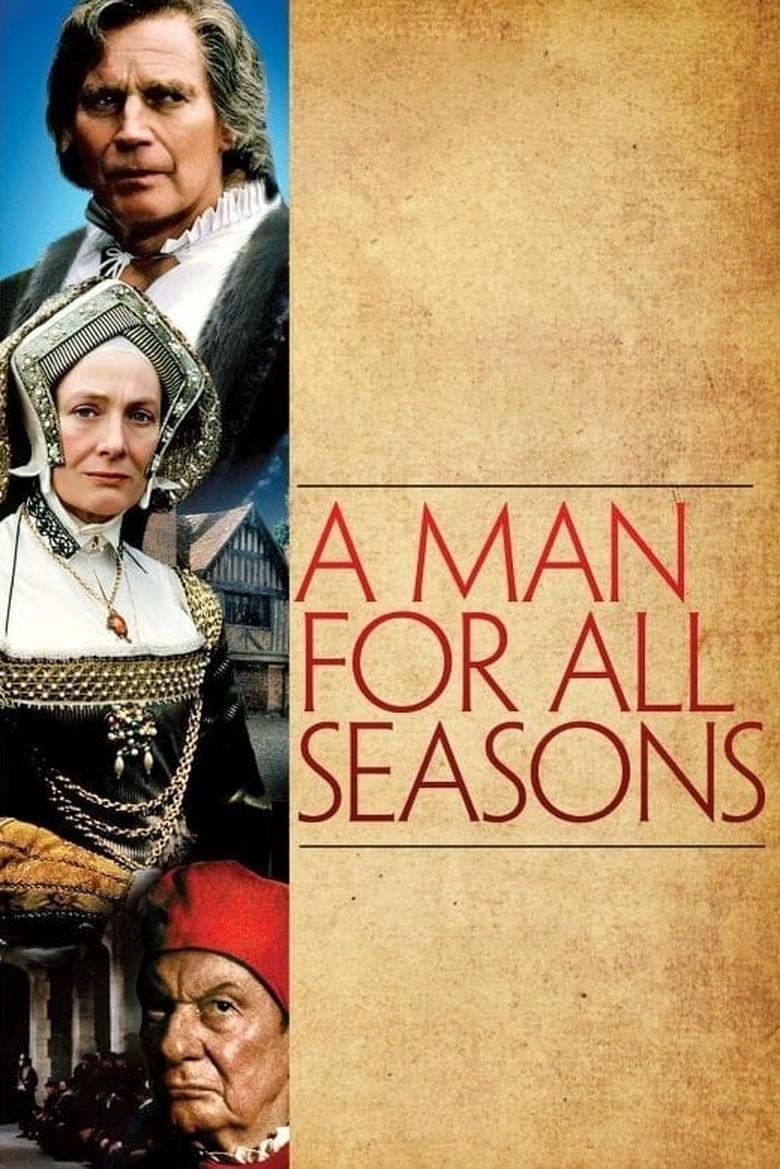
1988
Director
Charlton Heston
Runtime
150 minutes
Average Rating
No ratings yetSynopsis
Story of Sir Thomas More, who refused to accept the spiritual leadership of Henry VIII, and faces death as he struggles to remain loyal to his integrity.
Overall Score
Minimal
Category Breakdown
LGBTQ+ Representation
The film contains no depictions of LGBTQ+ identities or non-heteronormative narratives. The social framework remains strictly aligned with the historical period's heteronormative structures.
Gender Representation
The narrative centers on male-dominated spheres of law and theology. While female characters like Alice More appear, their agency is largely confined to the domestic sphere.
Racial & Ethnic Diversity
The cast is predominantly white, reflecting the demographic constraints of 16th-century England. There is no evidence of color-blind casting or diverse ethnic perspectives.
Religious & Cultural Diversity
The film is rooted in traditional Western institutional values. It celebrates the protagonist's adherence to a singular moral code within a religious framework.
Disability Representation
There are no visible or invisible disabilities portrayed within the narrative. Characters with disabilities are not utilized as plot devices.
Strengths
Areas for Improvement
AI Analysis
A Man for All Seasons is a period drama that prioritizes historical accuracy and classical heroism over modern inclusive casting. The story focuses on the intellectual and political struggles of Sir Thomas More, a framework that naturally emphasizes masculine authority and traditional religious structures. The production maintains a rigid social order, reflecting the 16th-century setting through a homogeneous cast and gendered roles. While this provides a sense of historical realism, it results in a lack of representation for diverse identities, disabilities, or non-traditional perspectives. Ultimately, the film functions as a study of individual conscience within established Western institutions. It does not seek to disrupt social hierarchies, instead reinforcing the traditional roles and demographics of the Tudor era.
2003

2006
2000
2017
1988

1989
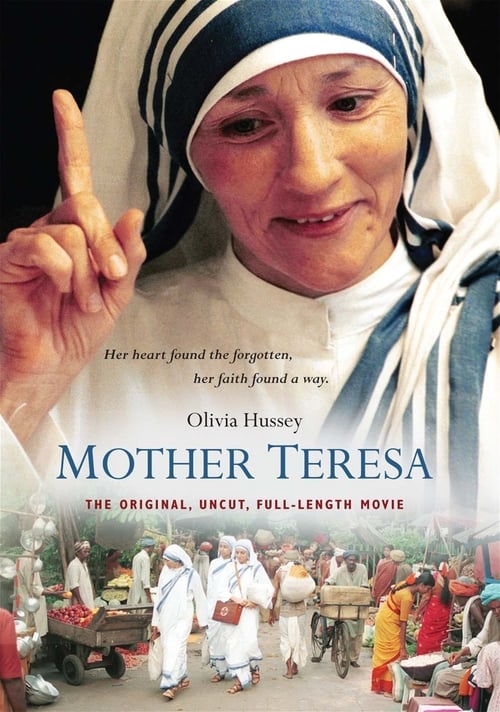
2003
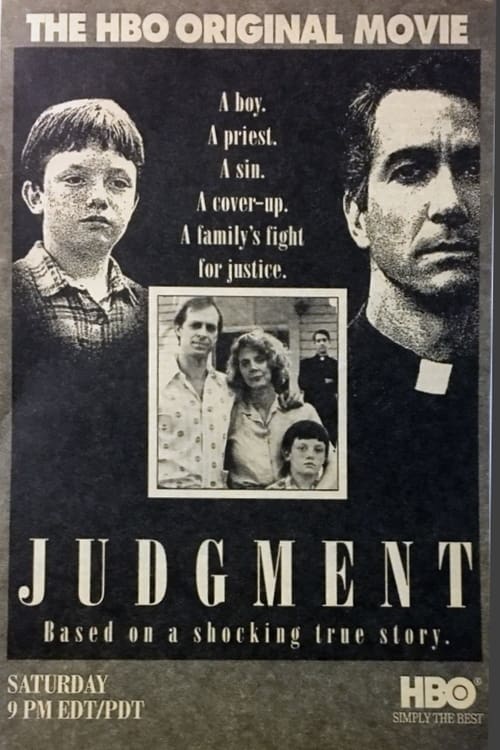
1990
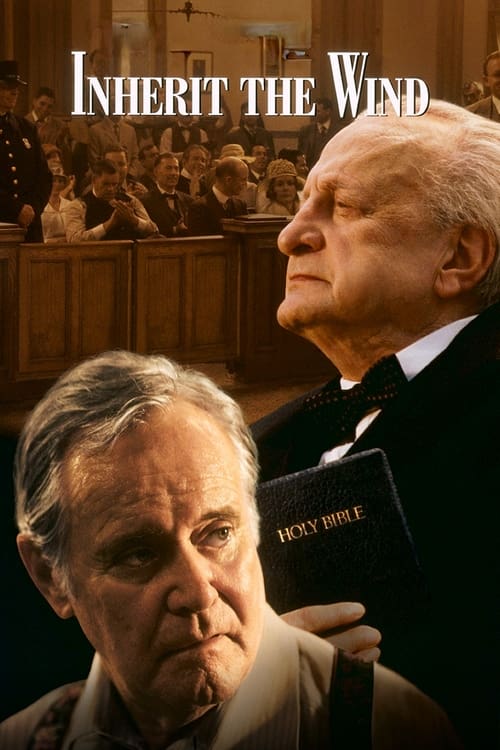
1999
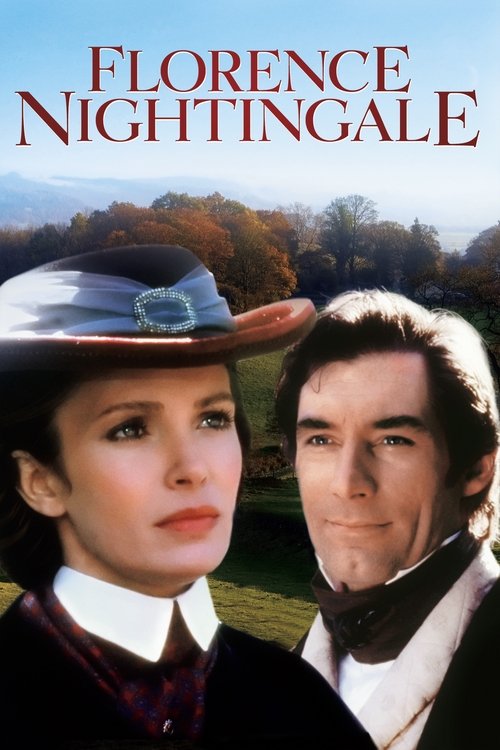
1985

1989

2000
No reviews yet. Be the first to share your thoughts on this movie!
Use the rating form above to leave a star rating and optional review.