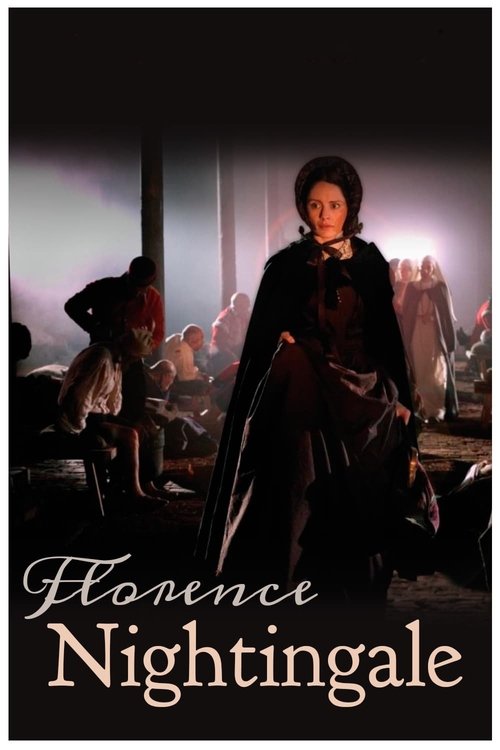
Florence Nightingale
2008
No user ratings available yet
Diversity score: 4.1 out of 10
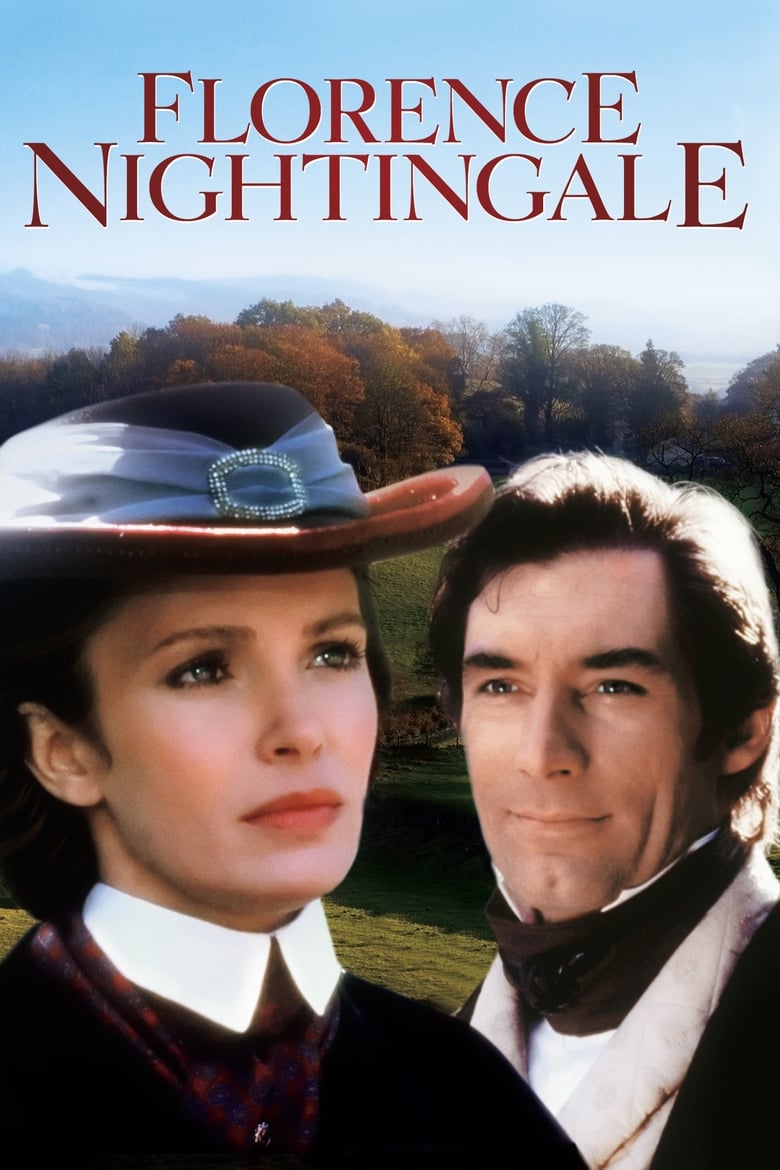
1985
TV-PGDirector
Daryl Duke
Runtime
140 minutes
Average Rating
No ratings yetSynopsis
This is the fact-based story of an aristocratic woman who defies Victorian society to reform hospital sanitation and to define the nursing profession as it is known today. After volunteering to travel to Scutari to care for the wounded soldiers, who are victims of the Crimean war, she finds herself very unwelcome and faces great opposition for her new way of thinking. However through her selfless acts of caring, she quickly becomes known as 'The Lady with the Lamp', the caring nurse whose shadow soldiers kiss.
Overall Score
Fair
Category Breakdown
LGBTQ+ Representation
The film adheres to the social constraints of its Victorian period setting. No non-cisnormative gender identities or same-sex narratives appear within the primary character arcs.
Gender Representation
Florence Nightingale is depicted with superior intellect and administrative capability compared to male-dominated establishments. The film emphasizes her agency in defying domestic expectations to command professional authority.
Racial & Ethnic Diversity
The cast is predominantly homogeneous, reflecting the historical context of the Crimean War and British aristocracy. The film does not utilize diverse ethnic representation to expand the narrative scope.
Religious & Cultural Diversity
The narrative critiques traditional Western institutions, specifically British military bureaucracy and rigid class structures. It frames the protagonist's mission as a necessary disruption of inefficient, corrupt systems.
Disability Representation
The story is driven by the depiction of widespread physical trauma among wounded soldiers. However, these injuries serve as situational elements of war rather than characters with independent agency.
Strengths
Areas for Improvement
AI Analysis
The film's diversity profile is heavily bifurcated by its historical setting. It lacks racial and LGBTQ+ diversity, remaining focused on a specific Victorian social framework. However, it excels in gender representation by centering a female protagonist who actively dismantles patriarchal authority. The narrative's strength lies in its deconstruction of institutional competence. It frames established military and social orders as obstacles to human welfare, prioritizing humanitarian efficacy over rigid protocol. Ultimately, the film functions as a study of institutional friction, using Nightingale's professional reform to challenge the era's existing hierarchies.
2008
1992
2004
2000
1989
1983

1997
2003
1979
2010
1972

2013
No reviews yet. Be the first to share your thoughts on this movie!
Use the rating form above to leave a star rating and optional review.