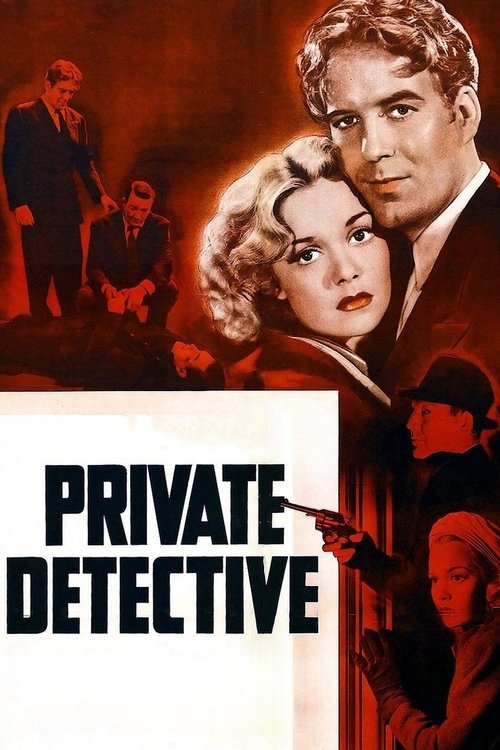
Private Detective
1939
No user ratings available yet
Diversity score: 2.8 out of 10
No Poster Available
1936
ApprovedDirector
Sidney Salkow
Runtime
60 minutes
Average Rating
No ratings yetSynopsis
Jeanne Dante stars as precocious 13-year-old Judy Widdell, a devoted fan of dime-novel detective stories. When a real murder occurs in the vicinity, Judy insists upon playing sleuth, dragging teenaged astronomer Tom Fenton (Kenneth Howell) into her Sherlock shenanigans.
Overall Score
Limited
Category Breakdown
LGBTQ+ Representation
The film adheres to the conventional social mores of the 1930s. It focuses on a juvenile detective dynamic and a teenage romantic pairing without non-cisnormative identities.
Gender Representation
Judy Widdell provides a moderate degree of agency as the primary driver of the investigation. She actively drags her male counterpart into her detective endeavors.
Racial & Ethnic Diversity
The production reflects the homogeneous casting standards of 1936. There is no evidence of racial blending or the inclusion of non-Anglo-Saxon characters.
Religious & Cultural Diversity
The narrative emphasizes the restoration of order through traditional detective tropes. It lacks any critique of Western institutions or social structures.
Disability Representation
While Judy is described as precocious, there is no evidence of neurodivergence or disability being a central component of her arc.
Strengths
Areas for Improvement
AI Analysis
Four Days Wonder is a conventional mystery that reflects the limited progressive scope of its era. It operates within a traditional framework intended for mainstream consumption, lacking intersectional depth or systemic critique. The film's primary strength lies in its slight subversion of gendered agency. By centering a 13-year-old girl as the leader of the investigative plot, it avoids the trope of the passive female observer. However, the film remains largely homogeneous. It lacks racial diversity and does not challenge established social or cultural norms, remaining firmly rooted in the period-appropriate standards of 1936.
1939
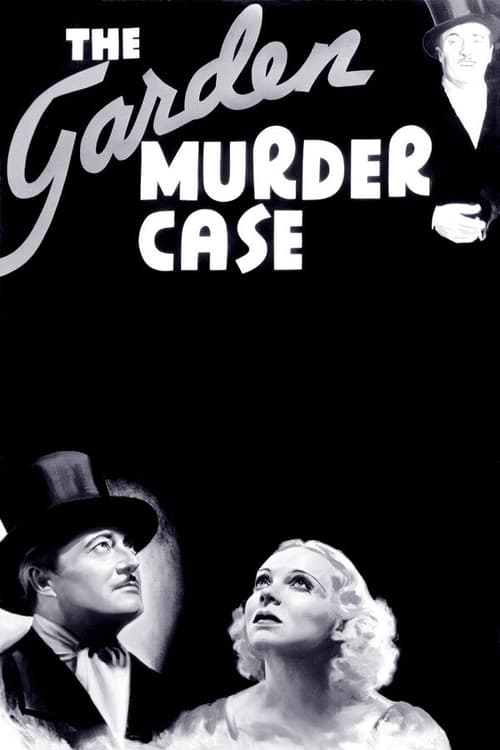
1936
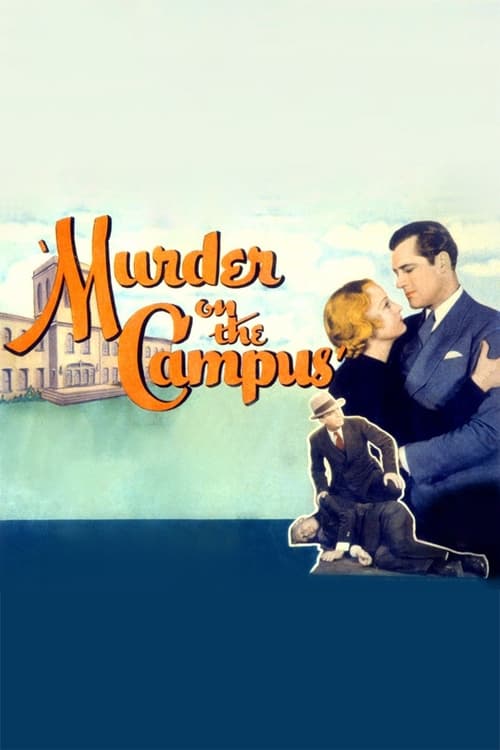
1933

1930
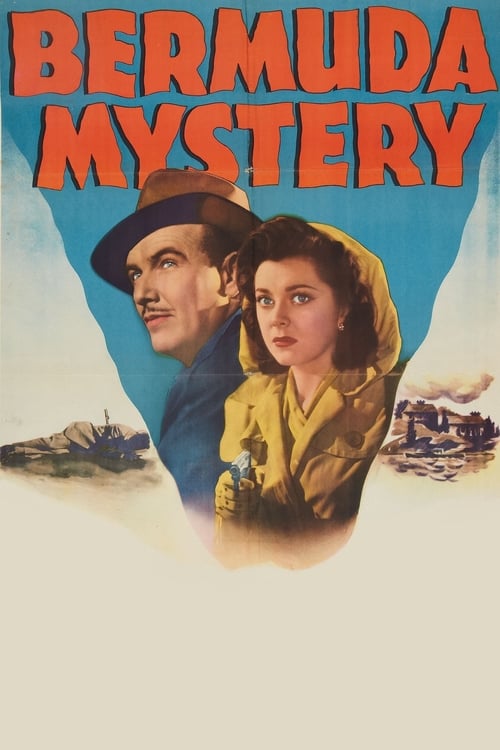
1944
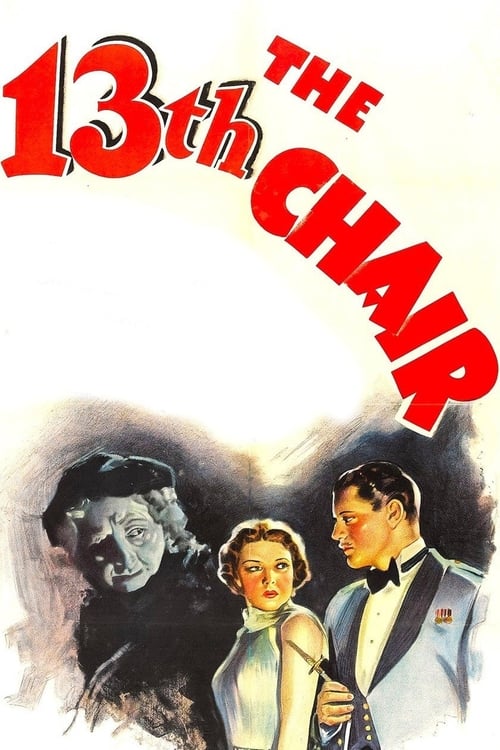
1937
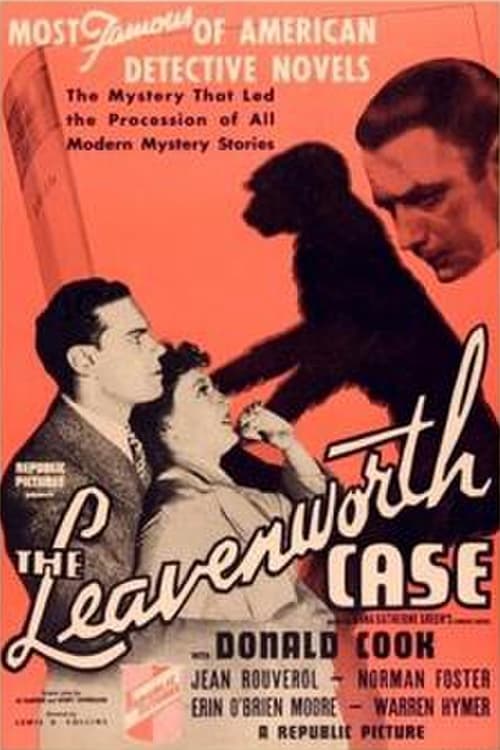
1936
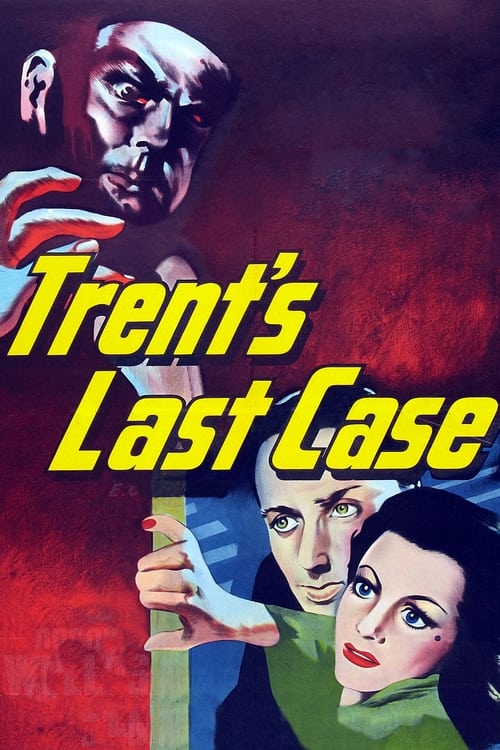
1952

1948

1952
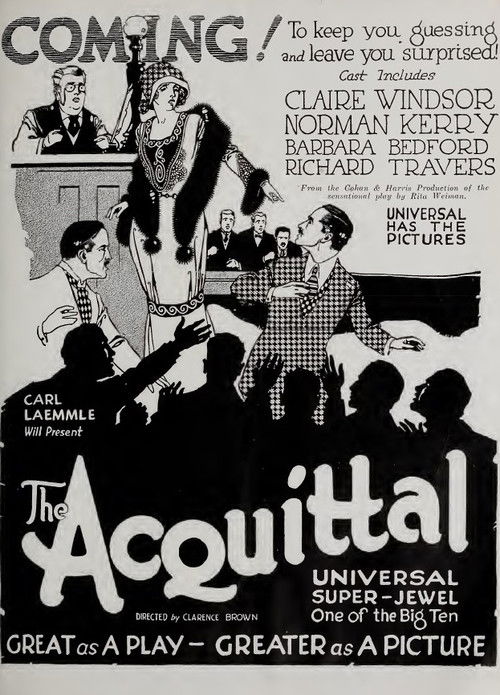
1923
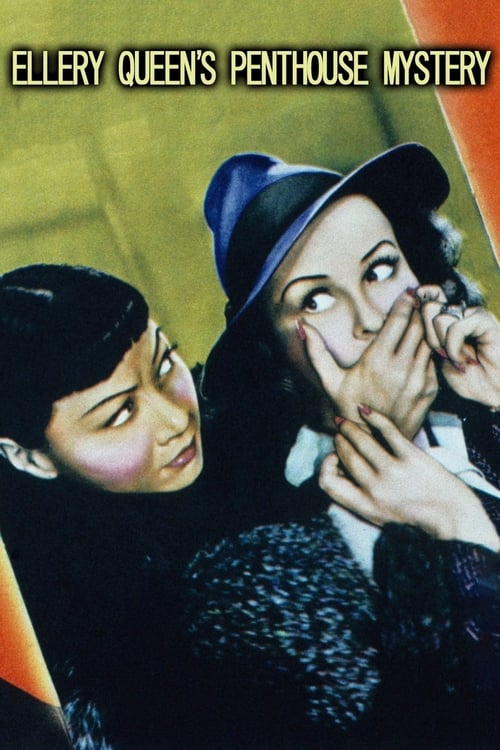
1941
No reviews yet. Be the first to share your thoughts on this movie!
Use the rating form above to leave a star rating and optional review.