
Silly Scandals
1931
No user ratings available yet
Representation score: 3.1 out of 10
Representation Score
Minimal
1931
Director
Dave Fleischer
Runtime
7 minutes
Average Rating
No ratings yetNew Showbiz Analysis
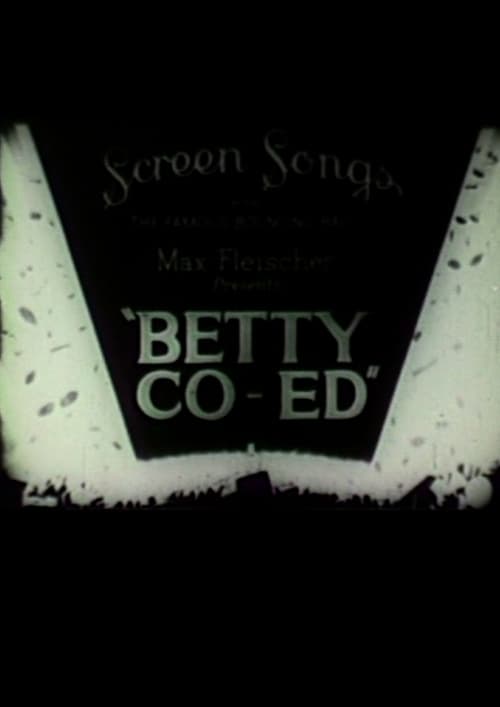
Betty Co-ed is a product of its time, emphasizing slapstick comedy and musical novelty over social depth. Its narrative structure adheres to the traditional constraints of 1930s animation, focusing on a conventional Western college setting. The film does not aim to disrupt or subvert social norms of the early 20th century. Instead, it relies on established social hierarchies and mainstream musical formats, such as the Bouncing Ball format, to engage its audience. Ultimately, Betty Co-ed serves as a period-specific entertainment piece without attempting to address social issues or diverse representation.
Category Breakdown
The film does not include any LGBTQ+ themes or characters. It follows traditional comedic clichés without exploring non-straight identities.
The movie focuses on a female protagonist named Betty, but the plot revolves around fraternity hazers and external conflicts. Betty seems to follow traditional gender roles and does not have much control over her own story.
The animation depicts a homogeneous cast typical of early 20th-century American media. There is no indication of a diverse cast or non-Anglo-Saxon perspectives.
The film centers on mainstream entertainment, engaging with established social structures like fraternities without challenging them.
There are no visible or hidden disabilities portrayed in the narrative. No characters are used as plot devices related to physical or neurodivergent conditions.
Present on Screen
Limited or Absent
Official Synopsis
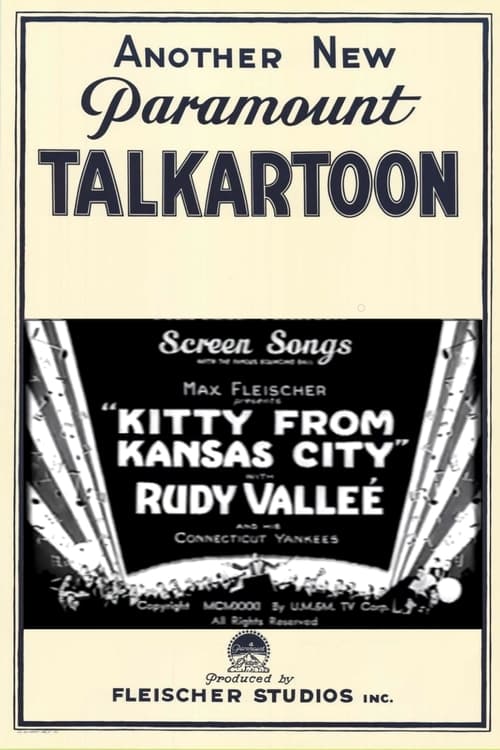
A young dog calls on Betty but fraternity hazers kidnap him. With a Bouncing Ball, Rudy Vallee sings the title tune.
1931
1938

1932
1932
1933
1931
1934
1936
No reviews yet. Be the first to share your thoughts on this movie!
Use the rating form above to leave a star rating and optional review.