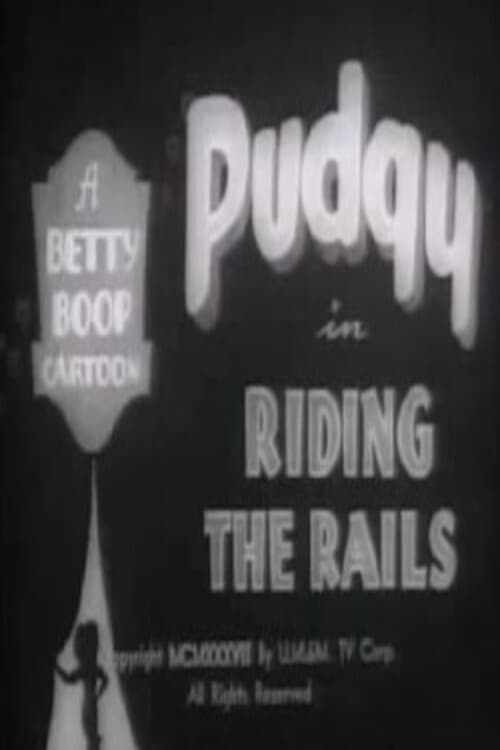
Riding the Rails
1938
No user ratings available yet
Representation score: 2.0 out of 10
Representation Score
Minimal
1938
ApprovedDirector
Dave Fleischer
Runtime
7 minutes
Average Rating
No ratings yetNew Showbiz Analysis
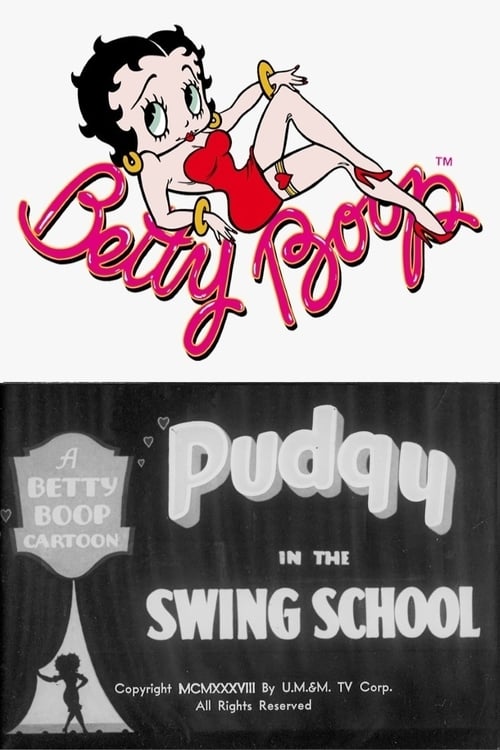
The Swing School is a rhythmic, musical diversion that prioritizes visual humor over social depth. It operates within the strict social norms of the late 1930s, focusing on light-hearted animal characters. The narrative structure maintains a highly conventional storytelling style. It avoids challenging social expectations, instead relying on established clichés like 'puppy love' and traditional gender roles. Ultimately, the film lacks the intentionality needed for progressive representation. It serves as a product of its historical context, offering escapism rather than deeper exploration of social issues.
Category Breakdown
The story focuses on young romance, reinforcing traditional heterosexual relationships. There are no characters with non-binary or LGBTQ+ identities.
Betty Boop plays a significant role in the story, but female characters often follow traditional gender roles.
The use of animal characters avoids addressing human racial dynamics. However, the overall cast remains homogeneous, lacking diverse ethnic representation.
The film serves as an escapist comedy without critiquing broader societal issues. It adheres to conventional moral simplicity and consumer-friendly themes typical of early American animation.
Characters with visible or invisible disabilities have limited ability to act. Physical struggles are used as comedic elements rather than serious explorations of disability.
Present on Screen
Limited or Absent
Official Synopsis
At Betty Boop's Music School for Animals, Pudgy the dog doesn't do so well, but puppy love triumphs.
1938
1931
1936
1937
1931
1937
1936
1937
No reviews yet. Be the first to share your thoughts on this movie!
Use the rating form above to leave a star rating and optional review.