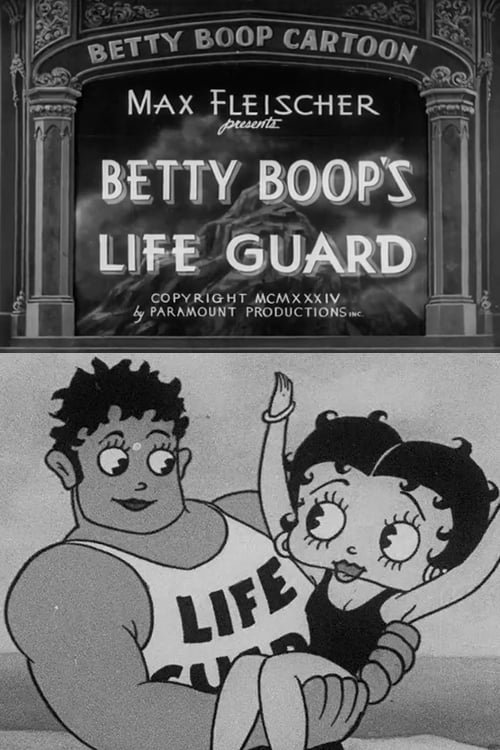
Betty Boop's Life Guard
1934
No user ratings available yet
Representation score: 1.7 out of 10
Representation Score
Limited
1936
ApprovedDirector
Dave Fleischer
Runtime
7 minutes
Average Rating
No ratings yetNew Showbiz Analysis
This 1936 animation focuses on surrealist visual experimentation and slapstick comedy, avoiding deep social or identity-based narratives. While Betty Boop exhibits a degree of performative freedom, the film does not challenge systemic power structures. The work reinforces traditional hierarchies through racial homogeneity and a lack of diverse identity representation. Ultimately, the narrative lacks the intentionality needed to provide meaningful characters who reflect more than one aspect of diversity or to deconstruct the institutions it portrays.
Category Breakdown
The film does not include any identifiable LGBTQ+ characters or non-cisgender identities. The character dynamics stay within a traditional framework that assumes everyone is straight.
Betty Boop is a lively and energetic figure with significant performative freedom. However, she is still tied to the flapper stereotype. The Little King lacks traditional masculine traits, appearing more like a child who is easily distracted.
The cast lacks meaningful racial or ethnic diversity, sticking to the homogeneous standards of 1930s mainstream animation. Character designs are highly stylized and anthropomorphic.
The story unfolds in a fantasy monarchy, a traditional Western institution. It uses this setting for surrealist comedy without critiquing the monarchy or social orders.
Extreme physical distortions are used as stylistic conventions rather than depicting disabilities. No characters with disabilities are shown with ability to act or as plot devices.
Present on Screen
Limited or Absent
Official Synopsis
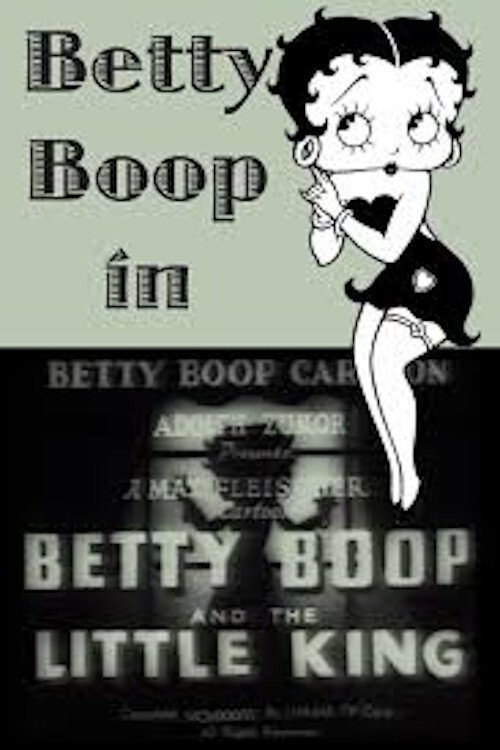
Betty encounters The Little King when, bored by the opera, he sneaks out to join in with her rodeo routine.
1934
1934
1933
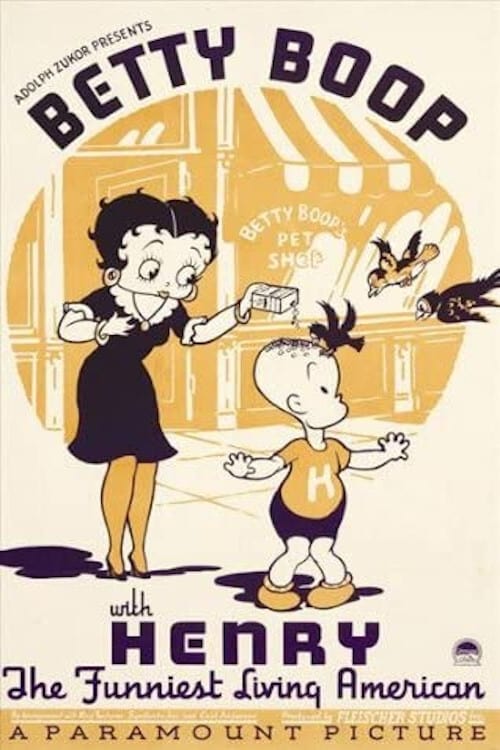
1935
1932
1933
1939
1932
No reviews yet. Be the first to share your thoughts on this movie!
Use the rating form above to leave a star rating and optional review.