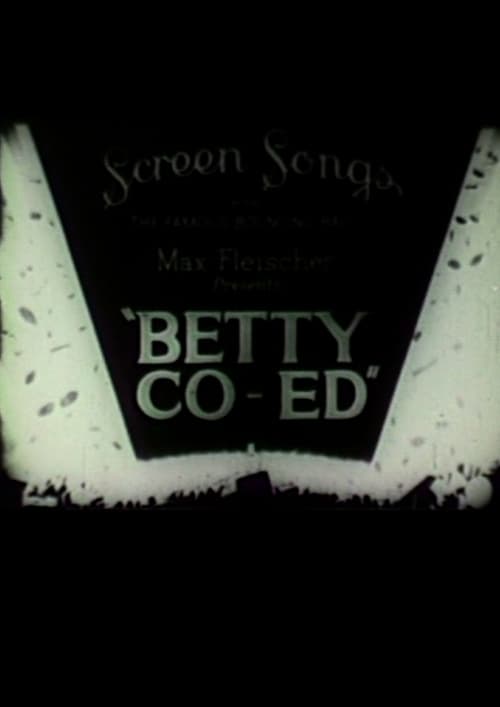
Betty Co-ed
1931
No user ratings available yet
Representation score: 1.8 out of 10
Representation Score
Limited
1931
Director
Dave Fleischer
Runtime
6 minutes
Average Rating
No ratings yetNew Showbiz Analysis
Silly Scandals is a product of the early 20th-century animation landscape, known for the Fleischer Studios' avant-garde style. While the studio's visual language often challenges traditional storytelling, this specific short focuses on slapstick and musical performance. The film lacks significant complexity in reflecting multiple aspects of identity, operating within the social constraints of 1931 and lacking explicit representation of diverse identities or systemic subversion.
Category Breakdown
The film includes surreal, fluid character movements typical of the era's experimental animation. However, there is no clear indication of non-traditional gender identities or same-sex relationships.
Betty Boop is a central female figure through her musical performance. The narrative does not clearly show if she challenges traditional roles or remains a decorative stereotype.
The production reflects the historical homogeneity of 1931 animation. There is no evidence of characters of color or diverse ethnic representation within the provided context.
The story uses vaudeville and hypnosis to explore subjective reality. It lacks explicit institutional critique or deep cultural complexity beyond these surrealist themes.
The synopsis provides no information regarding characters with visible or invisible disabilities.
Present on Screen
Limited or Absent
Official Synopsis
In a vaudeville act, Betty Boop (with dog's ears) sings "You're Drivin' Me Crazy;" Bimbo sneaks into the show and runs afoul of a stage hypnotist.
1931
1931
1932
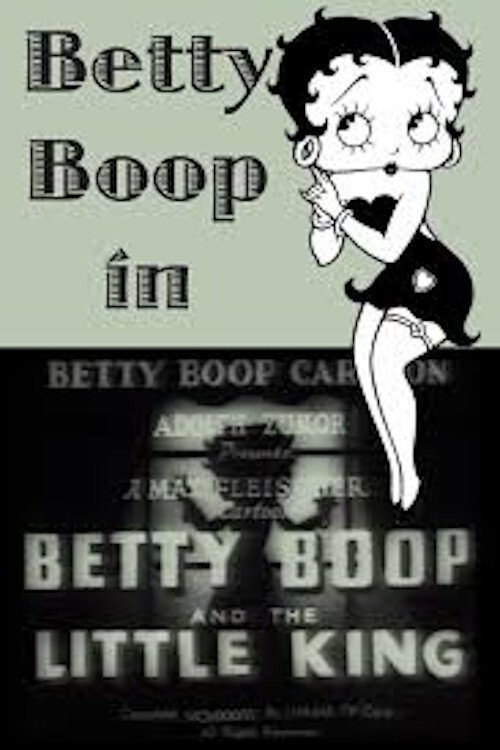
1936
1931
1931
1932
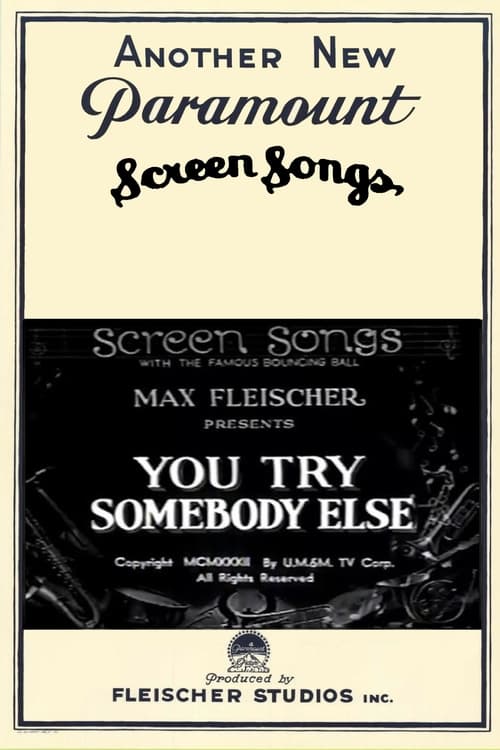
1932
No reviews yet. Be the first to share your thoughts on this movie!
Use the rating form above to leave a star rating and optional review.