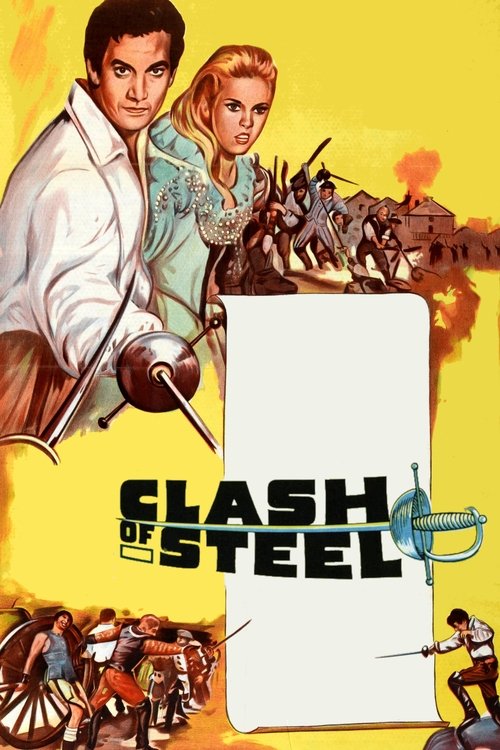
Clash of Steel
1962
No user ratings available yet
Representation score: 2.5 out of 10
Representation Score
Limited
1934
ApprovedDirector
Fernando de Fuentes
Runtime
83 minutes
Average Rating
No ratings yetNew Showbiz Analysis
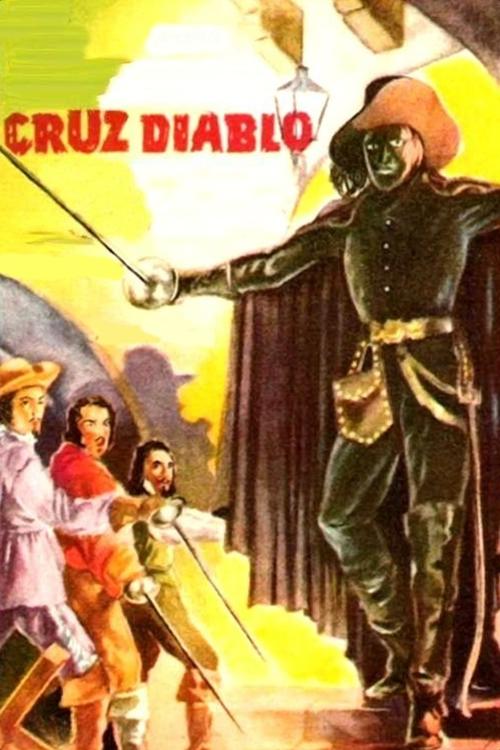
Cruz Diablo is a traditional 16th-century period drama that relies heavily on established clichés of honor and class struggle. The narrative structure reinforces conventional social hierarchies rather than challenging them. The film's focus on restoring property and titles suggests a worldview centered on maintaining the existing social order. This approach lacks the complexity found in more modern or subversive cinema. Ultimately, the film serves as a foundational example of early Mexican cinema, prioritizing classical heroism and traditional gender roles over diverse or non-normative representation.
Category Breakdown
The film follows traditional heterosexual romance structures common in 1934 swashbuckler genres. There are no representations of non-binary or transgender identities, nor any same-sex relationships.
Women primarily serve as political tools within the story. The female lead has limited influence and mainly acts as a catalyst for the male protagonist's quest for revenge.
The narrative centers on nobility and European power structures, with no specific indigenous characters having significant influence.
The plot follows a classic good-versus-evil structure emphasizing the sanctity of property and traditional justice through personal retribution.
There are no characters with visible or invisible disabilities mentioned in the story.
Present on Screen
Limited or Absent
Official Synopsis
16th-century swashbuckler; evil nobleman usurps another man's title and properties and forces his daughter to marry a political ally. But Cruz Diablo will have revenge!
1962
1940
1963
1935
1940
1940

1944
1924
No reviews yet. Be the first to share your thoughts on this movie!
Use the rating form above to leave a star rating and optional review.